Maximizing Rental Fleet ROI requires shifting capital from sunk leasing costs to appreciating asset ownership. While renting solves immediate capacity issues, it drains operational budgets without building long-term equity or residual value for fairground boards and...
Rust Converters often appear as a budget-friendly solution for aging equestrian facilities, yet they consistently fail against the aggressive ammonium carbamate found in active stables. Applying topical tannic acid treatments to structural steel provides only a...
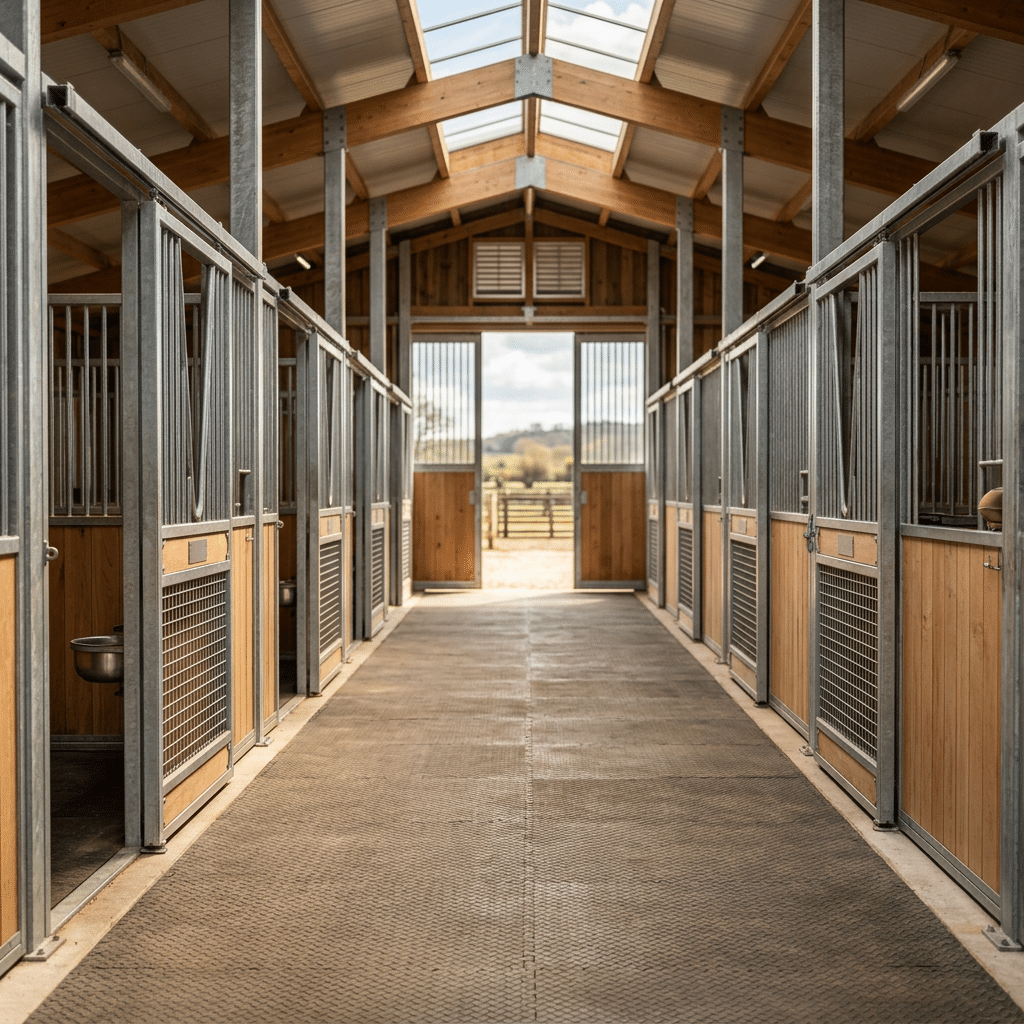
Sourcing horse stalls for New Zealand demands rigorous engineering to survive the country’s aggressive rainfall and humidity. Standard pine timber acts like a sponge in these wet climates, leading to rapid structural rot and costly annual maintenance cycles that...
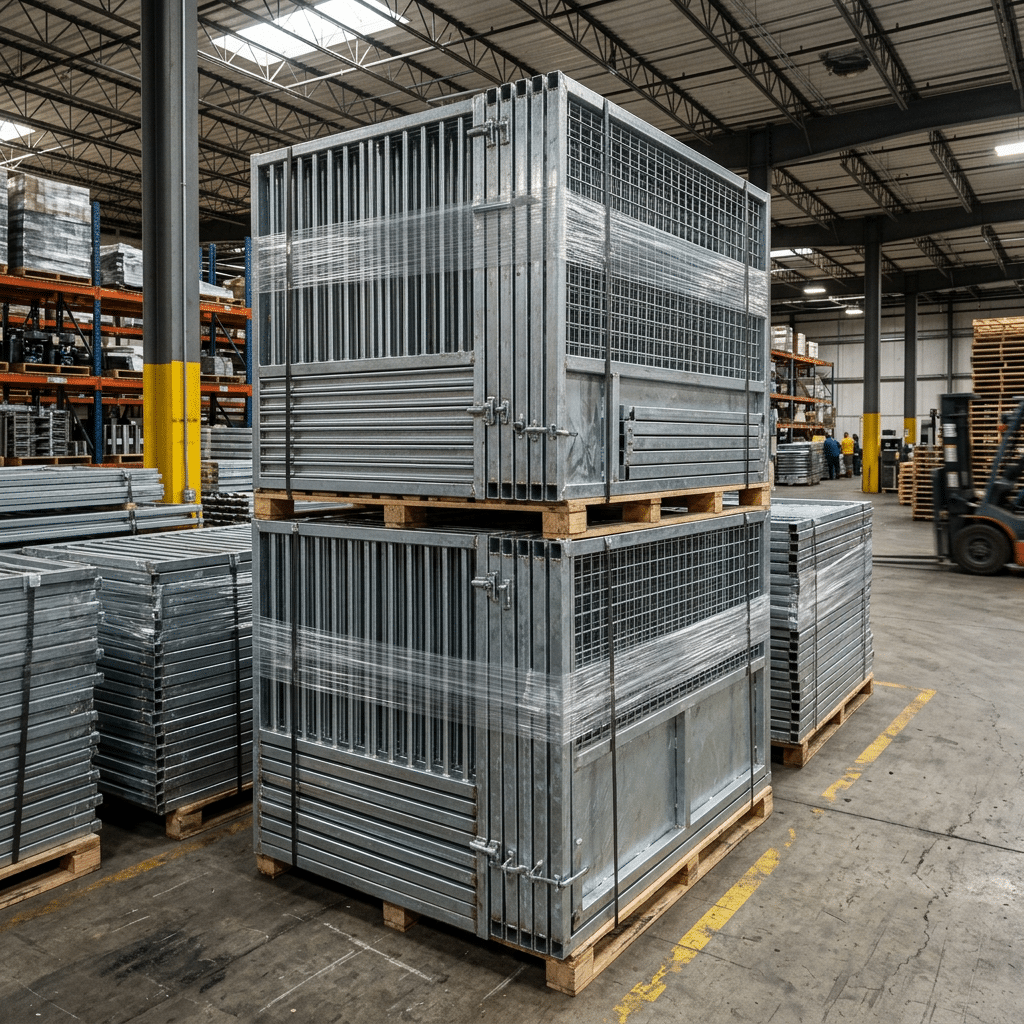
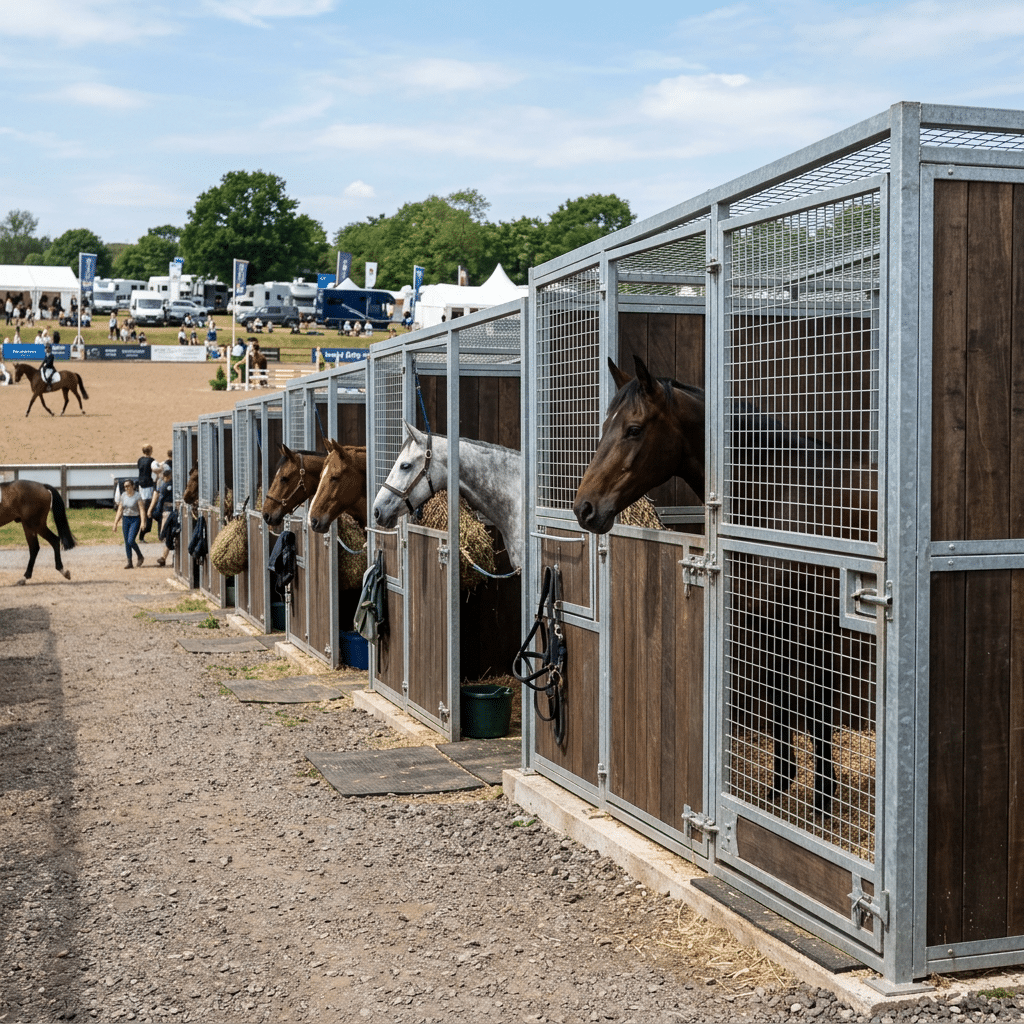
Maximizing Rental Fleet ROI is the only way for event organizers to stop bleeding capital on temporary infrastructure. While renting portable stables offers short-term flexibility, the cumulative cost of recurring leases often surpasses the price of ownership within...
Improper Bucket Heights in stall design introduce preventable veterinary liabilities that drain financial resources. Relying on arbitrary hanging methods turns a hydration source into a drowning trap for foals or a colic risk for adults, significantly increasing...
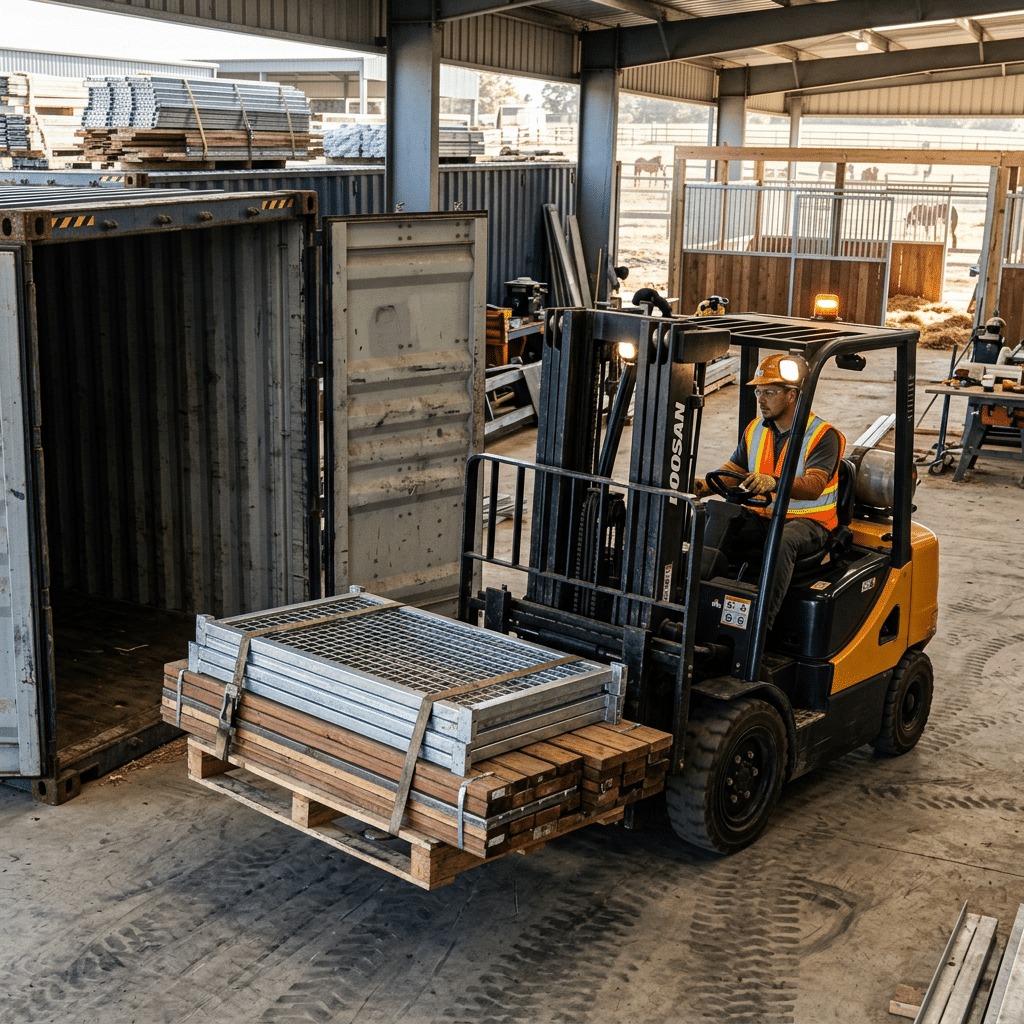
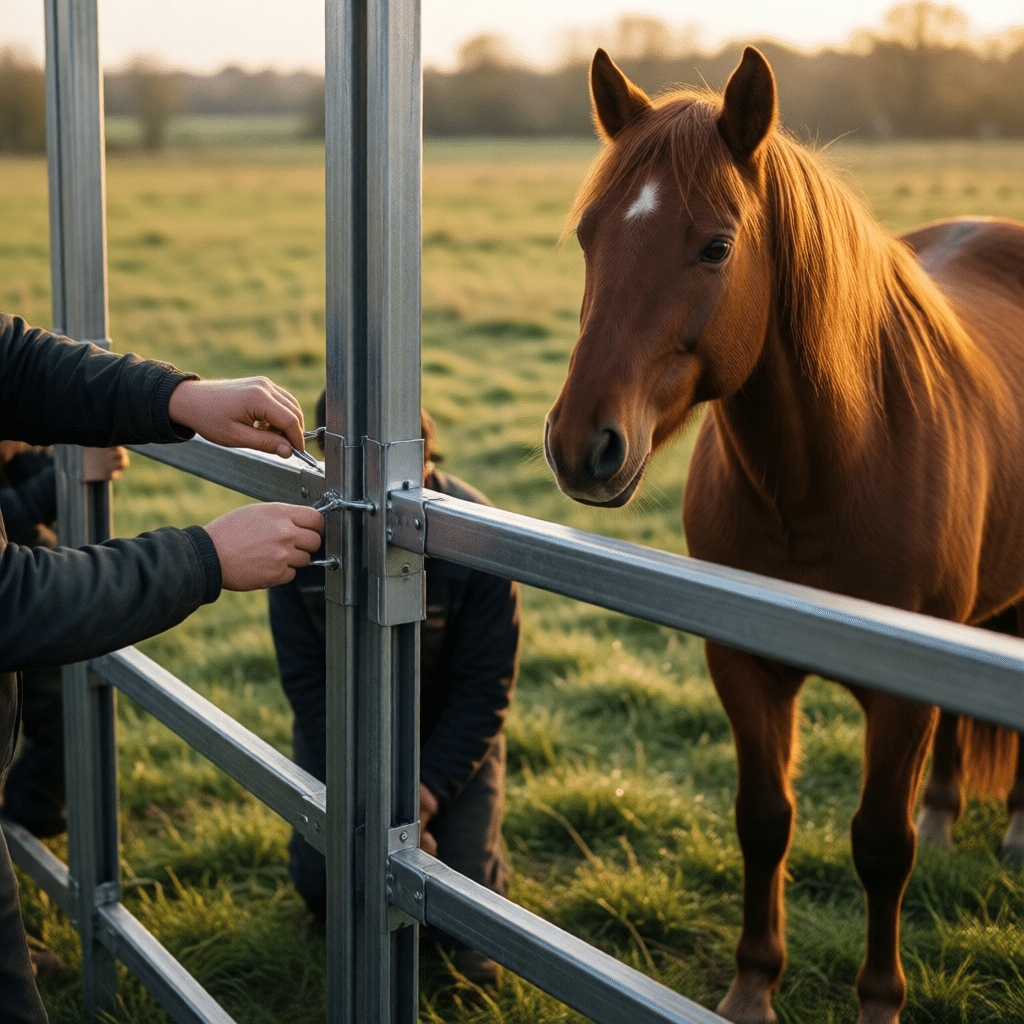
Rapid Assembly (Pin-System) protocols determine whether an event setup takes three days or three hours. For labor contractors managing tight payrolls, relying on bolt-heavy designs creates a bottleneck that erodes profit margins through excessive overtime and...



 Arabic
  English
  Spanish
  French
  German