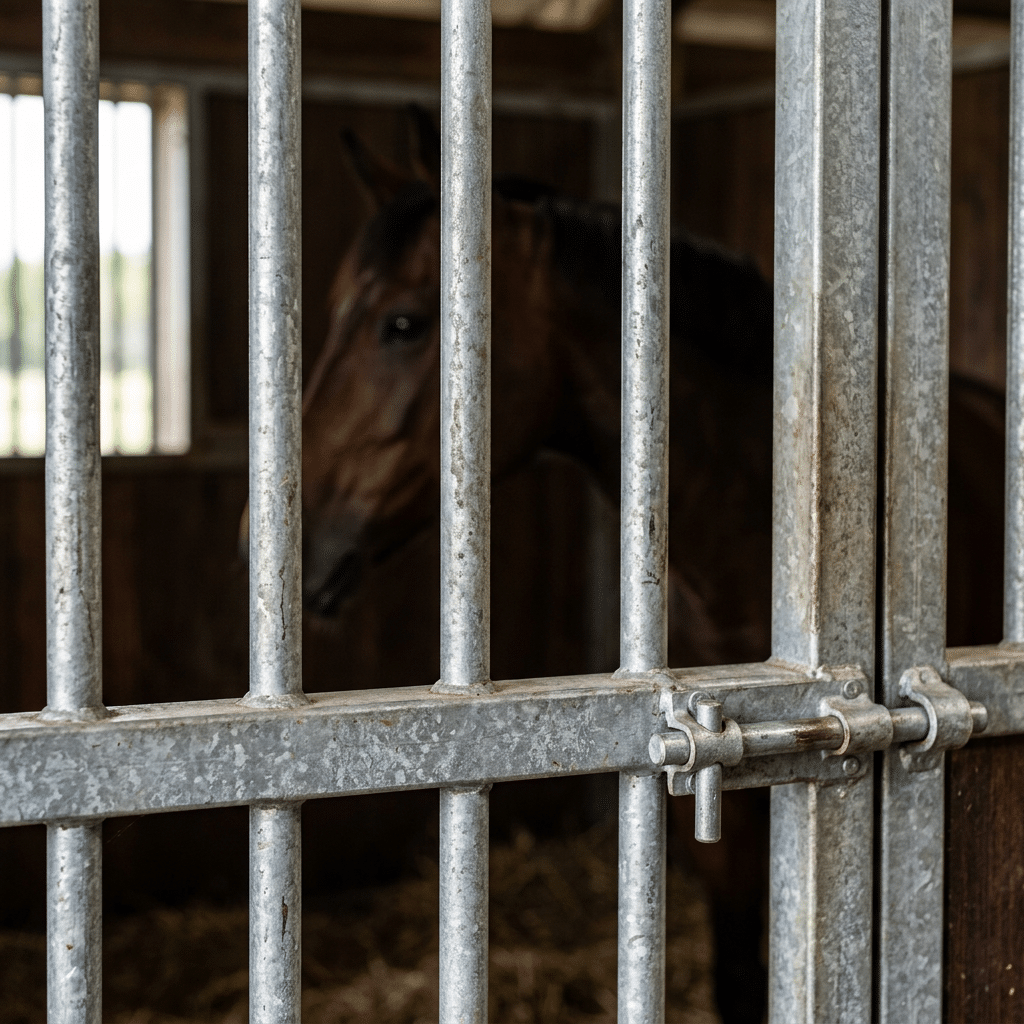
Sourcing from reliable UK stable suppliers is the primary defense against premature corrosion in Britain’s damp climate. While some options appear cheaper upfront, specifying the wrong galvanization process leads to rust, warranty claims, and ultimately erodes...
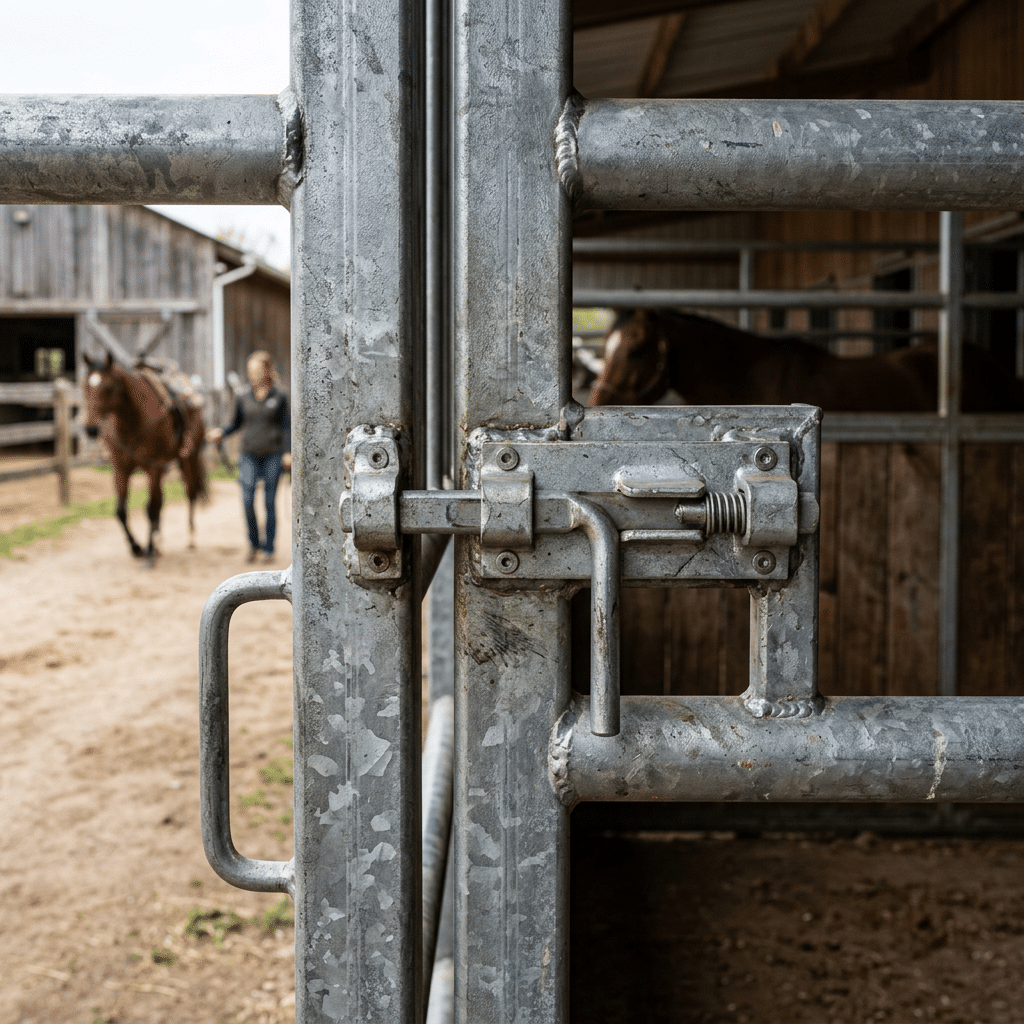
Finding reliable portable stable makers is a direct defense against equipment failure and eroded rental margins. Many suppliers use pre-galvanized tubing that rusts at the welds within a few seasons, forcing event companies into costly replacement cycles and creating...
Sourcing from qualified Bamboo Board Suppliers is the primary defense against catastrophic infill failure. Partnering with vendors who ship low-density, laminated boards instead of structural-grade planks leads directly to splintering, rot, and costly replacement...
Selecting the right Rubber Flooring Brands is a critical logistics decision that impacts your container freight costs. Sourcing flooring separately from your primary stable order means paying for a second shipment, directly eroding the profit margin on every unit you...
Vetting custom builders for an equestrian facility requires a focus on material engineering, not just project portfolios. A common and costly failure is accepting pre-galvanized steel, which corrodes at the welds, creating long-term structural risks and devaluing the...
Effective scam & fraud avoidance is the primary defense against the most common sourcing failure: receiving horse stables built from thin, pre-galvanized steel. This manufacturing shortcut creates unprotected welds that rust within months, leading directly to...



 Arabic
  English
  Spanish
  French
  German