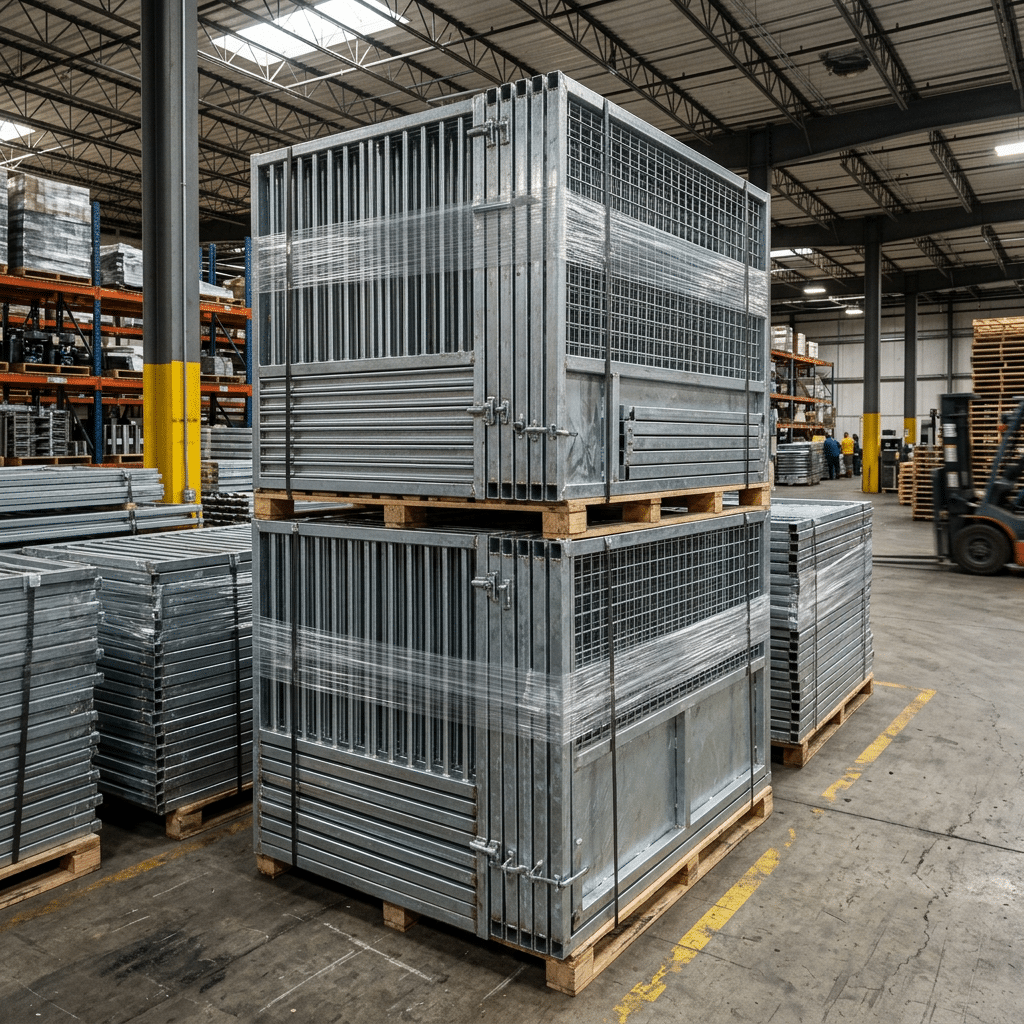
Outfitting multi-barn complexes introduces a logistical risk that can cripple a project budget from the start. Sourcing traditional welded stables is inefficient; their bulk means freight costs consume a disproportionate share of capital, directly eroding developer...
Navigating UK Brexit tariffs is only the start; the real margin killers are importer markups and inefficient logistics. Sourcing fully welded stables through European middlemen adds layers of cost, inflating your landed cost and eroding profit before a container even...
The AU ChAFTA Agreement is designed to eliminate the 5% tariff on horse stables, but a single documentation error can erase this financial advantage. An oversight on the correct HS code or Certificate of Origin directly inflates your landed cost, reducing profit...
Choosing between LCL vs FCL Shipping for barn kits directly impacts your landed cost. The low per-CBM rate for an LCL trial order is deceptive; hidden port and consolidation fees routinely inflate the final bill by 18-34%, eroding the profitability of your first...
Poor steel market timing is the fastest way to destroy project margins on a 40HQ container. Ordering in January seems proactive, but the pre-CNY supply chain collapse guarantees price spikes, production delays, and rushed work that compromises the final product...
With freight scams exposed, a supplier’s cheap CIF quote is a direct threat to your margins. The trap is sprung at the destination port, where inflated Destination Terminal Handling Charges (DTHC) hold your cargo hostage and erase any perceived savings. This...




 Arabic
  English
  Spanish
  French
  German