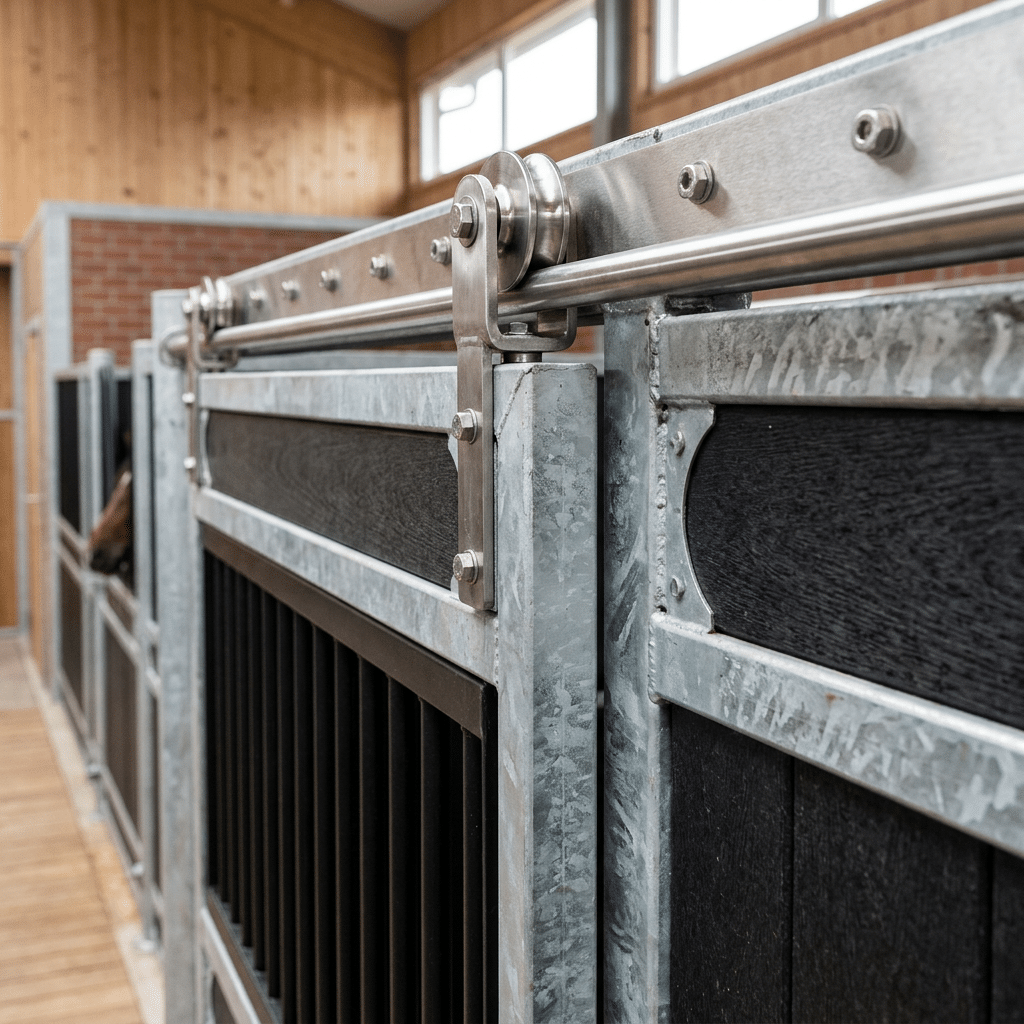
Finding true barn door specialists is critical to avoiding the high cost of product failure. Sourcing from residential suppliers or non-specialized factories often leads to rust and hardware issues, resulting in costly warranty claims that erode distributor profits....
Sourcing for the New Zealand market demands stable systems engineered for constant damp and high winds. Choosing a supplier based on price alone often results in premature rust and structural failure, leading to costly warranty claims and significant damage to a...
Sourcing from multiple Eventing / Jump Brands creates logistical complexity that inflates freight costs. While specialized suppliers offer quality, splitting shipments for stables and arena gear erodes profit margins for distributors and large-scale facility projects,...
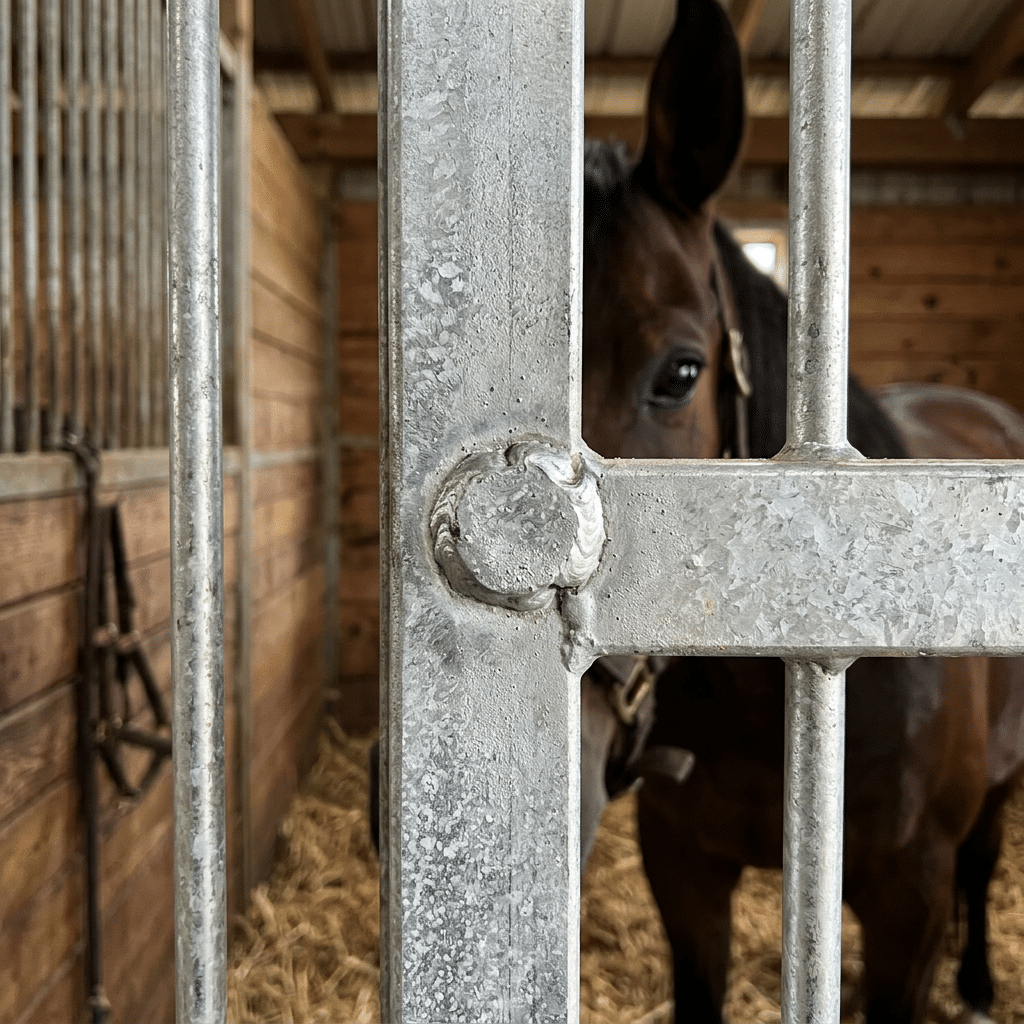
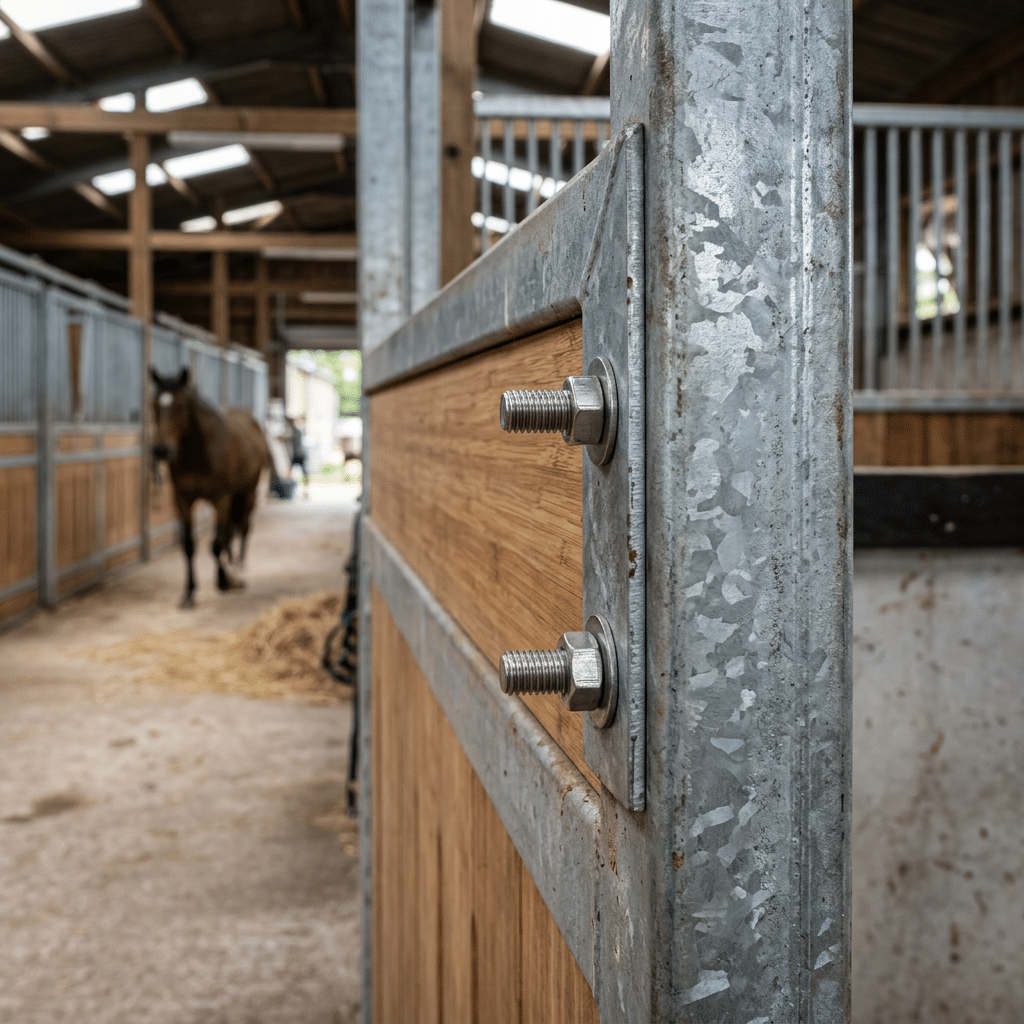
Choosing the right equestrian fencing is a direct investment in animal safety and a defense against costly replacement cycles. Inferior systems that lack proper hot-dip galvanization after fabrication often fail prematurely, leading to structural risks and high...
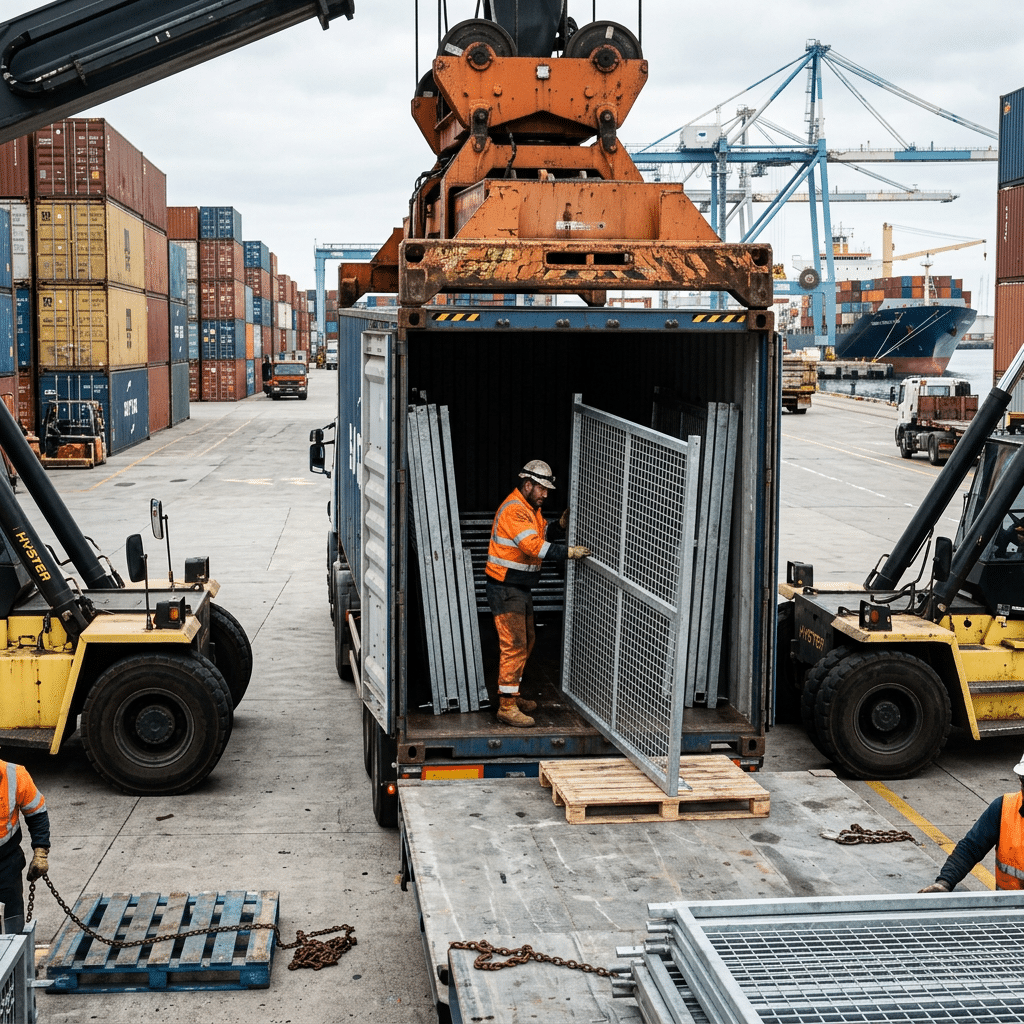
For wholesale and B2B brands, sourcing equestrian stables is a direct decision on profit margins. Partnering with factories that ship inefficient welded units can inflate freight costs by over 60%, while improper rust-proofing leads to warranty claims that permanently...
The Glass vs Polycarbonate decision for barn windows directly impacts project liability and long-term maintenance budgets. Tempered glass offers superior scratch resistance but carries a risk of shattering, while polycarbonate resists impact but degrades from UV...



 Arabic
  English
  Spanish
  French
  German