
Blog

Top 10 Hardware Components That Fail First (And Why We Use 304 Stainless)
Sourcing reliable stall kit hardware is a critical defense against warranty claims and reputational damage. Low-grade plated steel fasteners are a primary failure point, corroding quickly in high-moisture stable environments and leading to costly call-backs that...

Standard 12×12 vs. Custom Stall Sizes: Which Fits Your Barn?
Specifying custom sizing for horse stall size is a critical decision that directly impacts project budgets, particularly in barn renovations. Forcing a standard 12x12 welded panel into an older structure creates costly installation delays and on-site modification...
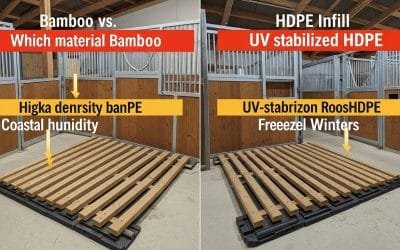
Bamboo vs. HDPE Infill: Which Material is Best for Your Climate?
Choosing the right horse stall panels is a decision that directly impacts operational costs and safety. Specifying an infill material unsuited to your climate can lead to premature failure—from UV degradation in hot regions to rot in damp ones—creating replacement...
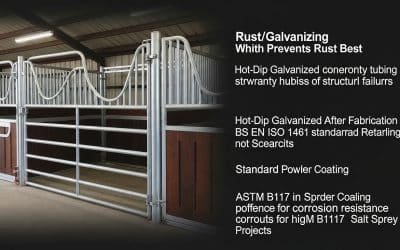
Hot-Dip Galvanized vs. Powder Coated: Which Prevents Rust Best?
Understanding Rust/Galvanizinghorse stall gates is critical to preventing costly warranty claims and structural failures. Stalls made from pre-galvanized tubing commonly rust at the welds, a frequent point of failure in coastal or high-humidity environments. This...
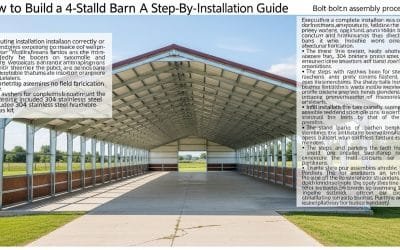
How to Build a 4-Stall Barn: A Step-by-Step Installation Guide
Executing installation 4 stall horse barn plans correctly separates a profitable project from one bogged down by on-site welding and hardware failures. Systems built with cheap, zinc-plated fasteners invite corrosion from ammonia and moisture, leading to structural...
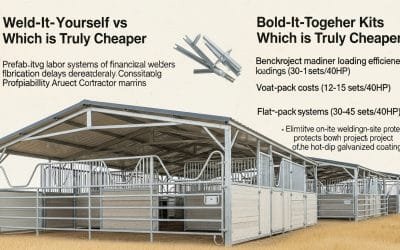
Weld-It-Yourself vs. Bolt-Together Kits: Which is Truly Cheaper?
Evaluating the true labor savings prefab horse stall kits provide requires looking past the material quote to the total installed cost. Weld-it-yourself systems shift the financial risk of specialized welders and fabrication delays directly onto the installer,...

Weld-It-Yourself vs. Bolt-Together Kits: Which is Truly Cheaper?
The promise of labor savings from prefab horse stall kits is lost when projects rely on on-site welding. While a weld-it-yourself kit appears cheaper on the initial invoice, the hidden costs of specialized site labor and inevitable rust repairs can destroy a project's...

Sourcing Lumber Locally vs. Buying the Full Kit: The Pros and Cons
Sourcing stall kit lumber separately from the steel frame appears to be a cost-saving measure, but it often creates compatibility failures and project delays. This sourcing mistake can erase profit margins through unexpected labor costs and long-term material...

Top 10 Mistakes Builders Make When Installing Horse Stall Kits
Mistakes when installing horse stalls using residential building standards lead directly to project callbacks and liability. Even veteran general contractors often underestimate the engineering demands of an equine environment, resulting in structural failures that...

The Best 10 Features of Stall Kits Designed for Extreme Winters
Specifying the correct cold climate winter horse stalls is the primary defense against catastrophic material failure. Using standard structural steel in sub-zero temperatures invites brittle fractures and warped panels, leading directly to costly warranty claims and...
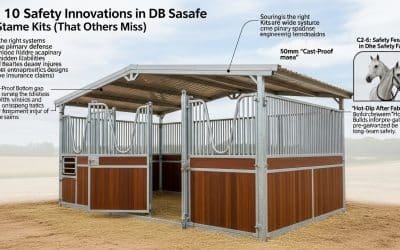
Top 10 Safety Innovations in DB Stable Kits (That Others Miss)
Sourcing the right C2-6: Safety Featuressafe horse stall kit is the primary defense against the hidden liabilities found in standard designs. Many low-cost kits use wide bar spacing and thin-gauge steel, creating entrapment...

How to Retrofit Old Barns: Best 10 Tips for Using Standard Kits
Specifying the correct Retrofit stall kits for existing barns is the difference between a profitable project and a liability nightmare. Rigid, pre-welded systems are incompatible with the structural quirks of old buildings,...

How to Bid 20% Lower and Make More Profit with DB Kits
Achieving a high ROI for builders wholesale horse stalls means solving the number one project killer: installing standard kits in imperfect, non-square barns. Sourcing systems that cannot adapt to out-of-plumb walls forces costly on-site fabrication, creates project...
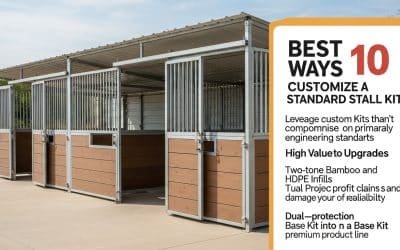
Best 10 Ways to Customize a Standard Stall Kit
Offering custom stall kits that don't compromise on engineering standards is a primary challenge for distributors. Ad-hoc modifications often create installation issues and warranty claims, eroding project profit margins and damaging your reputation for reliability....
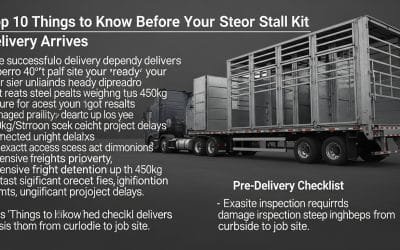
Top 10 Things to Know Before Your Stall Kit Delivery Arrives
A successful stall kit delivery depends on your site being ready for a 40-foot truck. Failure to plan for unloading steel pallets weighing up to 450kg often results in damaged property, expensive freight detention fees, and...

Top 10 Barn Design Mistakes That Kill Efficiency (and Horses)
The most common horse barn design mistakes create functional failures that lead to catastrophic financial loss. Overlooking critical engineering details like ventilation, material durability, or aisle width results in chronic...
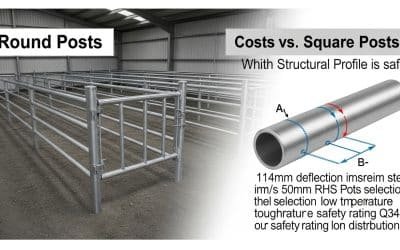
Round Posts vs. Square Posts: Which Structural Profile is Safer?
The round vs square stall posts debate is a critical engineering decision, not an aesthetic one. Specifying the wrong profile directly impacts structural integrity under impact. A single kick can lead to post deformation or...
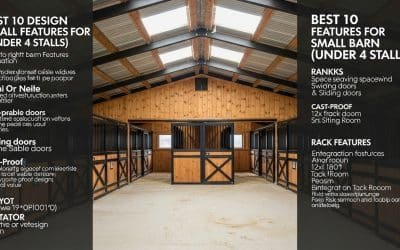
Best 10 Design Features for Small Barns (Under 4 Stalls)
Selecting the right small barn features is critical to avoid expensive construction errors and long-term safety liabilities. A layout that miscalculates aisle width or uses swinging doors can reduce usable space by over 10 square...
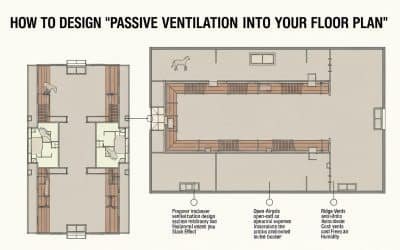
How to Design “Passive Ventilation” into Your Floor Plan
Improper horse barn ventilation design is a direct cause of respiratory illness, creating significant veterinary costs for owners and liability risks for facility engineers. Relying solely on mechanical systems increases operational expenses and introduces a critical...
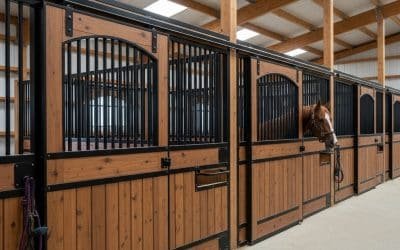
Sliding Doors vs. Hinged Doors: Which Fits Your Floor Plan?
Choosing the correct horse stall door types is a critical decision that dictates a barn's safety and workflow. A hinged door projects into the aisle, creating a collision risk and consuming valuable square footage. This fundamental design flaw compromises handler...
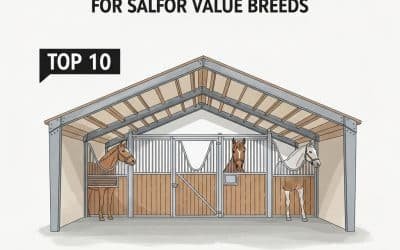
Top 10 Stall Sizing Standards for Different Breeds
Specifying the correct horse stall dimensions is a critical factor in mitigating project liability. Relying on the generic 12x12 foot standard for larger breeds like Warmbloods or drafts creates significant risk, exposing facility owners to animal welfare issues and...

How to Turn Your Napkin Sketch into a Professional CAD Barn Plan
Developing custom horse barn plans without rigorous engineering input leads to unsafe stall dimensions. This oversight creates significant liability when housing valuable breeds like Warmbloods or foaling mares, resulting in costly structural failures or animal injury...
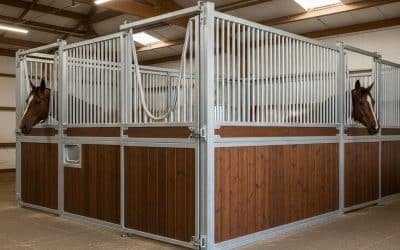
Best 10 Partition Designs for Socializing and Safety
Selecting the right horse stall partitions is a critical decision that directly impacts animal safety and facility liability. Inferior designs with incorrect bar spacing—a common cost-cutting measure—often lead to hoof entrapment, creating significant financial risk...
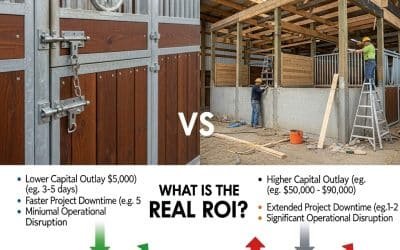
Replacing Stall Fronts vs. Full Rebuild: What is the Real ROI?
A cost analysis to replace horse stall doors reveals a critical decision: a targeted upgrade versus a full teardown. Choosing the wrong path can inflate capital outlay by 90% and extend project downtime from days to months, directly impacting operational revenue and...
How to Measure Your Old Barn for Custom Stall Fronts
A precise measuring guide for custom horse stall fronts is the primary defense against costly project failure. One wrong dimension in an old barn with uneven floors or crooked posts can render a pre-fabricated system useless, forcing expensive re-orders and causing...
Best 10 Safety Features to Add to Your Old Barn Renovation
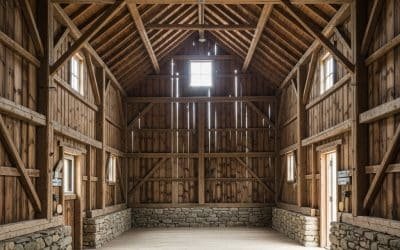
Implementing safety retrofits with safe horse stall doors is the primary defense against liability from outdated barn infrastructure. Legacy stalls with wide bar spacing or large under-door gaps are a direct cause of preventable injuries, leading to costly vet bills...
Sliding Fronts vs. Hinged Doors: Best Solution for Narrow Aisles
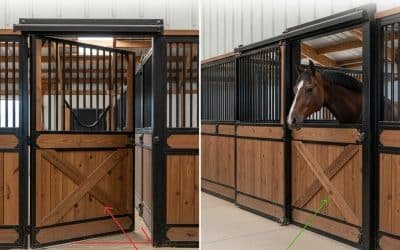
Choosing between Sliding vs Hinged stall doors for narrow aisles is a critical liability calculation, not just a layout preference. A traditional hinged door's swing path creates a clear entrapment hazard, exposing facilities to significant injury risks and potential...
How to Install New Stall Fronts in an Existing Barn (DIY Guide)
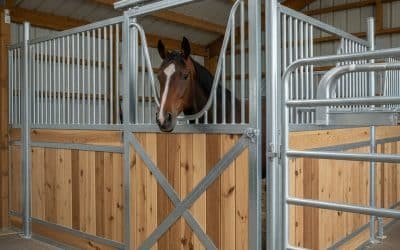
Correctly installing stall fronts in an existing barn is more than a simple retrofit; it's a critical safety upgrade that addresses hidden liabilities. A common DIY mistake is focusing only on the frame, ignoring hazards like improper bar spacing or gaps under doors...

Low Profile vs. High Profile Fronts: Which is Better for Socialization?
Deciding between low vs high profile stall fronts directly impacts herd socialization and operational risk. The wrong choice can foster stress-related vices or lead to preventable injuries, costing facilities thousands in veterinary bills and devaluing high-value...
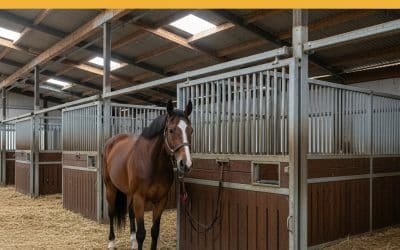
Top 10 Reasons to Swap Old Wood for Bamboo or HDPE in Renovation
The decision to replace stall wood is a direct response to mitigating operational risk and long-term costs. Porous lumber absorbs moisture and urine, creating environments with high ammonia levels and mold that lead to increased vet bills and facility liability. This...
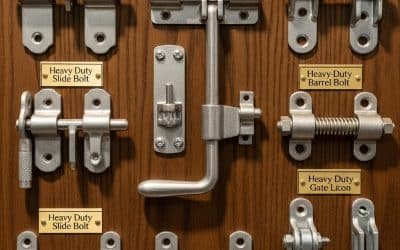
Best 10 Heavy-Duty Hardware Upgrades for Renovated Stalls
A hardware upgrade for horse stall latches is the primary defense against component failure that drives up maintenance costs. Using inferior zinc alloy hardware in a renovation project often leads to rapid corrosion and seizure, creating repeat work orders and...
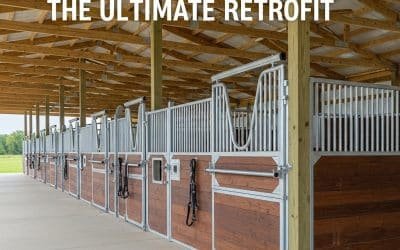
How to Add Horse Stalls to a Pole Barn: The Ultimate Retrofit
Adding pole barn horse stalls that fail prematurely creates expensive callbacks and damages a builder's reputation. The primary failure point is often overlooked: stock hardware kits using zinc alloys that corrode and seize in high-humidity barn environments,...
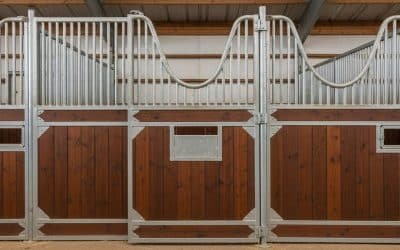
Horse Stall Fronts vs. Full Stalls: Which is Right for Your Renovation?
Choosing the correct renovationhorse stall fronts is a decision where initial material cost is misleading. A fronts-only approach seems cheaper, but ignores two critical profit drains: the high freight cost of inefficiently shipped welded units and the long-term risk...
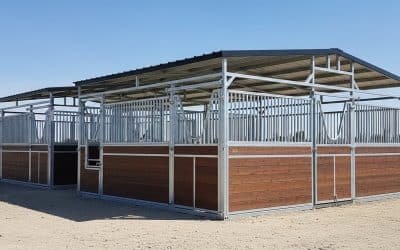
How to Set Up 20 Portable Horse Stalls in Under 6 Hours
A rapid portable horse stall setup is determined by logistics, not just labor. Traditional fully-welded panels create an immediate bottleneck with slow, manual unloading that inflates on-site costs and risks project delays. Every hour spent handling awkward, heavy...
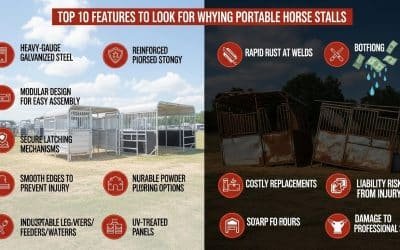
Top 10 Features to Look for When Buying Portable Horse Stalls
When you buy portable horse stalls, your procurement decision directly impacts long-term operational costs and liability risks. Opting for cheaper systems built with thin, pre-galvanized steel invites rapid rust at the welds,...
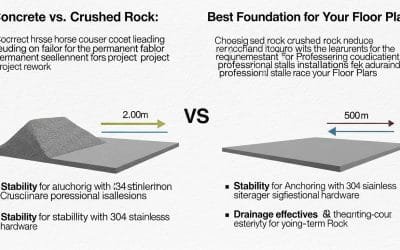
Concrete vs. Crushed Rock: Best Foundation for Your Floor Plan
Incorrect horse stall flooring foundation is a leading cause of structural failure and project rework. Choosing crushed rock over concrete to reduce upfront costs for a permanent facility risks foundation settlement, which...
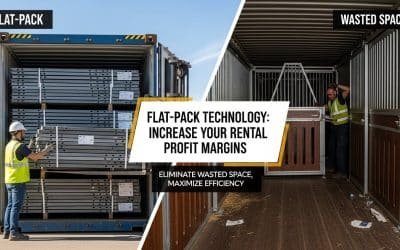
How Flat-Pack Technology Increases Your Rental Profit Margins
Effective flat-pack logistics for shipping horse stalls is the primary defense against disappearing profit margins. Fully-welded stalls waste over 60% of container space, converting your capital into sunk freight costs before a...
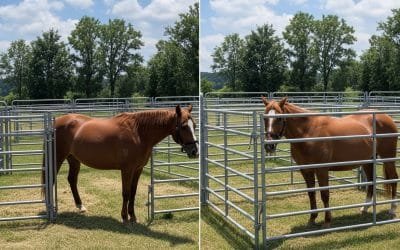
Portable Stalls vs. Corral Panels: Which is Safer for Events?
The horse corral vs stall decision for events directly impacts safety and liability. Budget-grade panels made from thin steel and pre-galvanized tubing frequently fail at the welds, creating immediate injury risks that lead to insurance claims and lasting reputational...
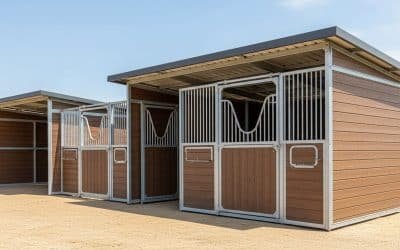
How to Import Horse Stables from China in 2026: A Step-by-Step Guide
This import guide for horse stables for sale addresses the two biggest risks to distributor profits: customs misclassification and high freight costs. Using the wrong HS code can trigger massive tariffs, while shipping fully-welded panels can inflate logistics...
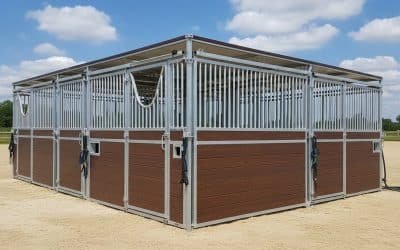
How to Maintain Portable Rental Stalls for 20+ Years
Maintaining horse stalls for a 20-year lifespan is determined by the initial fabrication standard, not the cleaning routine. Most rental fleets fail prematurely due to rust at the welds—a direct result of suppliers using cheap, pre-galvanized tubing. This single...
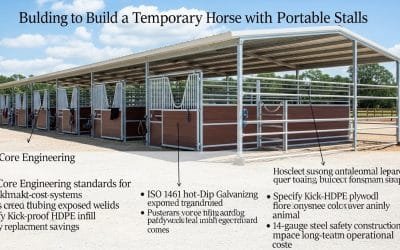
How to Build a Temporary Horse Barn with Portable Stalls
Building a DIY temporary horse barn with cheap portable stalls is a common mistake that leads to structural failure. Low-cost systems often use pre-galvanized tubing with exposed welds, which rusts quickly, creates safety hazards, and forces costly replacements that...
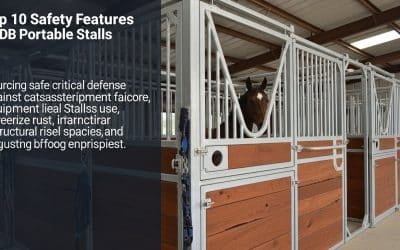
Top 10 Safety Features of DB Portable Stalls
Sourcing safe horse stalls is a critical defense against catastrophic equipment failure and legal liability. Stalls that use pre-galvanized steel or have improper bar spacing often lead to rust, structural weakness, and hoof entrapment, creating significant financial...
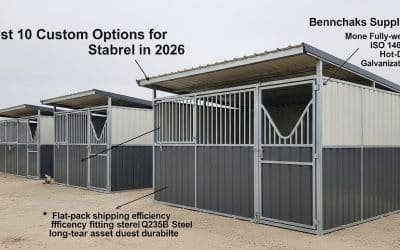
Best 10 Custom Options for Portable Stalls in 2026
Sourcing custom portable stalls is a direct challenge to operational margins. Many suppliers ship fully-welded units that are logistically inefficient, fitting only 12-15 sets per container and eroding profitability before the...
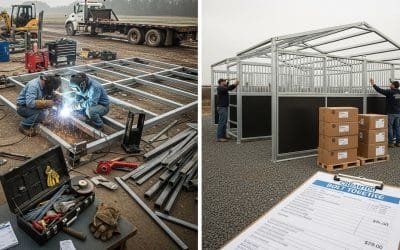
Weld-It-Yourself vs. Bolt-Together Kits: Which is Truly Cheaper?
The labor savings from prefab horse stall kits are often overlooked when estimators see the lower initial price of a weld-it-yourself system. This miscalculation shifts unpredictable expenses, like certified welder rates and inefficient freight, directly to the job...
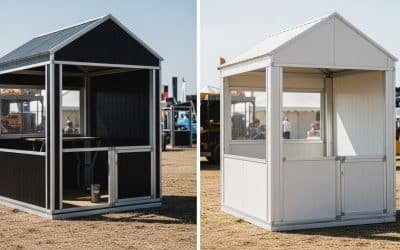
Steel vs. Aluminum Portable Stalls: Which Lasts Longer in 2026?
The steel vs aluminum portable horse stalls debate is a critical capital decision that directly impacts fleet ROI. Opting for aluminum means a high upfront cost, while choosing steel often raises concerns about rust and freight expenses, creating significant risk to...
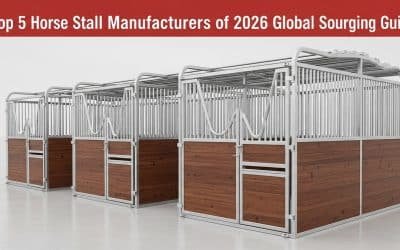
Top 5 Horse Stall Manufacturers of 2026: Global Sourcing Guide
Sourcing horse stall panels from the wrong manufacturer is a direct threat to distributor margins. Bulky, fully-welded stalls are inefficient to ship, often loading only 12 sets per container and inflating per-unit freight costs. This logistical oversight can erase...

The Best 10 Portable Stalls Features for Quarantine Safety
Effective quarantine horse stalls are non-negotiable, as a single biosecurity breach can trigger a facility-wide outbreak. Stalls built with porous materials or poor ventilation fail disinfection protocols, leading to operational shutdowns, loss of certification, and...
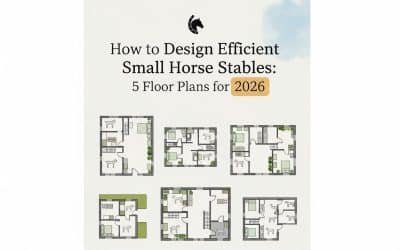
How to Design Efficient Small Horse Stables: 5 Floor Plans for 2026
Effective small horse stable floor plans mitigate the two biggest project risks: poor ventilation and inefficient logistics. Choosing a system without engineered airflow leads to chronic respiratory issues, while bulky, welded...
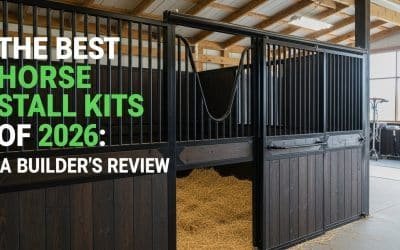
The Best Horse Stall Kits of 2026: A Builder’s Review
Sourcing reliable horse stall kits is a defense against project callbacks. Opting for the lowest unit price often results in premature rust or structural failures from improper steel grades, directly eroding a builder's profit...

Portable Horse Stalls vs. Permanent Stables: Which Yields Better ROI in 2026?
Investing in portable horse stalls creates a liquid asset rather than a sunk cost, fundamentally shifting the ROI calculation for rental operators. While traditional masonry traps capital in groundworks and permitting delays,...
 English
  Español
  Français
  العربية
  Deutsch