


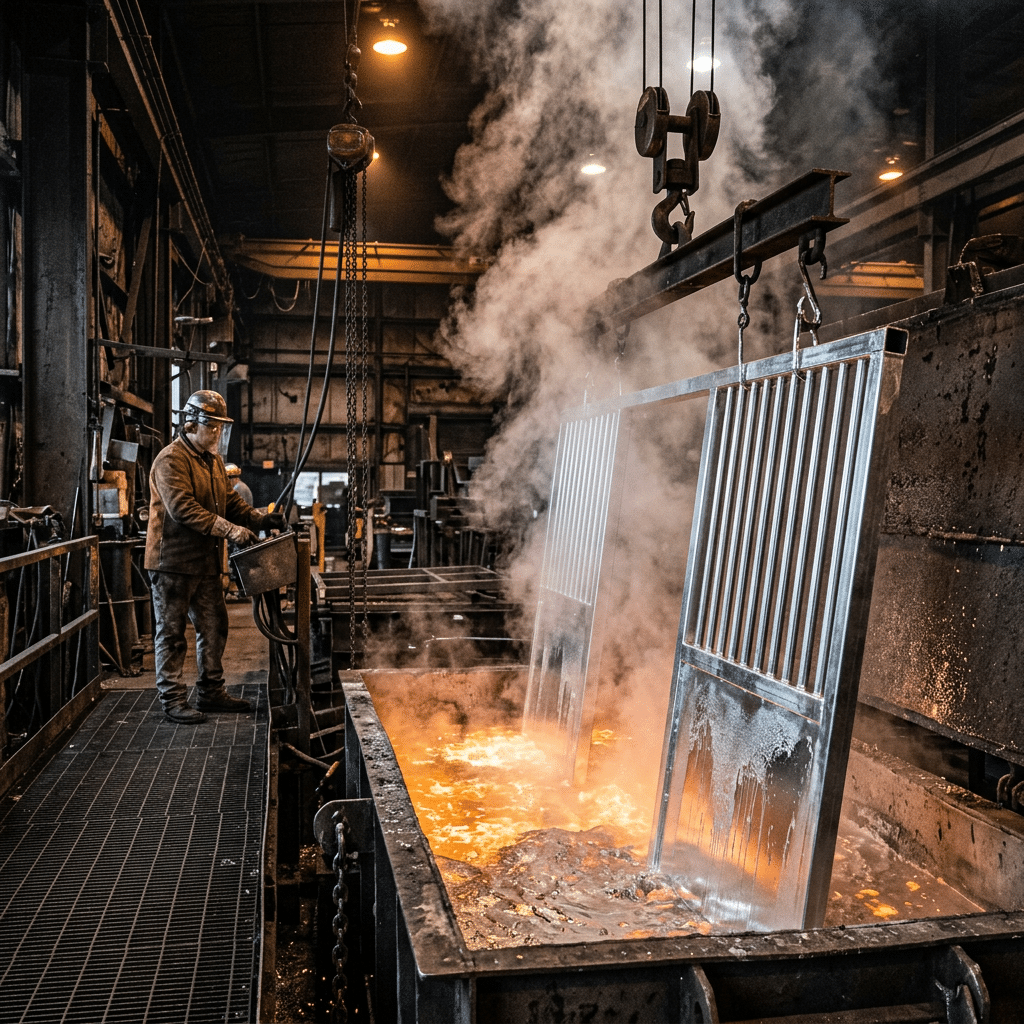
Border Quarantine efficiency relies entirely on infrastructure that eliminates pathogen retention and prevents costly transit delays. Facilities utilizing porous wood or standard powder-coated steel risk harboring diseases like Glanders, leading to immediate regulatory shutdowns and the exorbitant expense of extended equine detention. Operational continuity demands materials that withstand aggressive federal sterilization protocols without degrading over time.
We evaluate manufacturers against the BS EN ISO 1461 Hot-Dip Galvanization standard required for daily virucidal washdowns. By prioritizing non-porous HDPE infills and Cast-Proof designs, this analysis identifies suppliers capable of delivering isolation units that maintain zero bio-load states while optimizing freight costs through flat-pack logistics.
The High Stakes of International Equine Border Quarantine
Comparaison rapide
| Regulatory Aspect | Primary Sector | Key Mechanisms | Verdict |
|---|---|---|---|
| Regulatory Landscape & Quarantine Duration Variance | International Horse Trade | Biosecurity Checkpoints, Isolation Protocols | Mandates 3 to 60-day isolation periods depending on origin risk. |
| Disease Testing & Health Certification Requirements | Veterinary Compliance | Health Certificates, Disease Screenings, Import Permits | Requires strict negative testing for Dourine, Glanders, and EIA. |
| Operational & Business Impact | Equine Commerce | Compliance Management, Specialized Facilities | Non-compliance leads to entry refusal and immediate removal. |
Regulatory Landscape & Quarantine Duration Variance
**Strict biosecurity protocols** define this landscape, offering essential disease prevention at the cost of complex logistical planning.
International border quarantine establishes a critical defense perimeter for the equine industry. Duration varies drastically based on origin, ranging from a standard 3-day hold for EU horses to rigorous 60-day isolation for those from regions affected by African Horse Sickness.
Compliance relies on mandatory testing conducted at specific designated ports of entry. These centralized checkpoints ensure veterinary oversight remains consistent, implementing isolation workflows that prevent contagion before animals access domestic markets.
📊 At a Glance:
- 📍 Location: Global / Port of Entry
- 🏭 Core Strength: Biosecurity Checkpoints, Isolation Protocols
- 🌍 Key Markets: International Horse Trade
Why We Picked Them:
| ✅ The Wins | ⚠️ Trade-offs |
|---|---|
|
|
Disease Testing & Health Certification Requirements
Mandatory testing for Dourine, Glanders, and EIA ensures **rigorous biosecurity compliance** for all international equine movement.
Horses must test negative for Dourine, Glanders, Equine Piroplasmosis, and EIA prior to transport. This comprehensive screening creates a robust barrier against the spread of infectious diseases across borders.
Breeding stock requires an extended quarantine of 17-31 days specifically for CEM testing. These measures ensure that reproductive animals meet stringent health standards before entering the domestic population.
📊 At a Glance:
- 📍 Location: Veterinary Laboratories
- 🏭 Core Strength: Health Certificates, Disease Screenings, Import Permits
- 🌍 Key Markets: Veterinary Compliance
Why We Picked Them:
| ✅ The Wins | ⚠️ Trade-offs |
|---|---|
|
|
Operational & Business Impact
Strict adherence to compliance protocols is non-negotiable, acting as a **critical financial firewall** for the equine logistics industry.
This operational phase creates significant cost barriers within the international trade framework. It serves as the definitive intersection where multilayered regulatory regimes meet practical transport logistics.
The stakes for errors are remarkably high, with consequences including entry refusal or mandatory travel delays. Regulatory non-compliance can trigger immediate removal orders within 10 days, threatening the viability of the shipment.
📊 At a Glance:
- 📍 Sector: Logistics & Transport Sector
- 🏭 Core Focus: Compliance Management, Specialized Facilities
- 🌍 Impact Area: Equine Commerce
Why We Picked Them:
| ✅ The Wins | ⚠️ Trade-offs |
|---|---|
|
|
Engineered For 20-Year Durability And Global Compliance
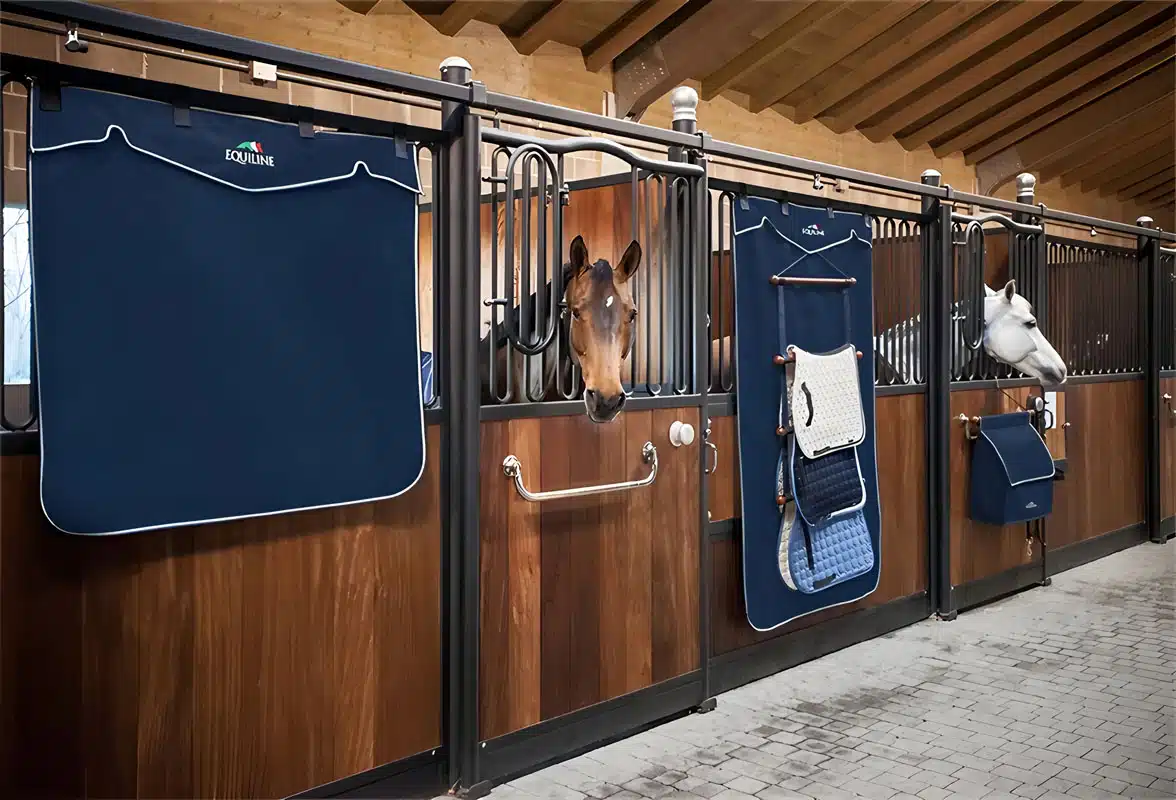
The High Stakes of International Equine Border Quarantine
International equine logistics hinge on strict adherence to biosecurity protocols, where quarantine periods fluctuate between 3 and 60 days based on disease risk profiles. With authorities enforcing a rigid 10-day window for removing denied horses, facility owners and transport agencies must ensure their infrastructure supports absolute containment to avoid the escalating costs of extended detention and repatriation.
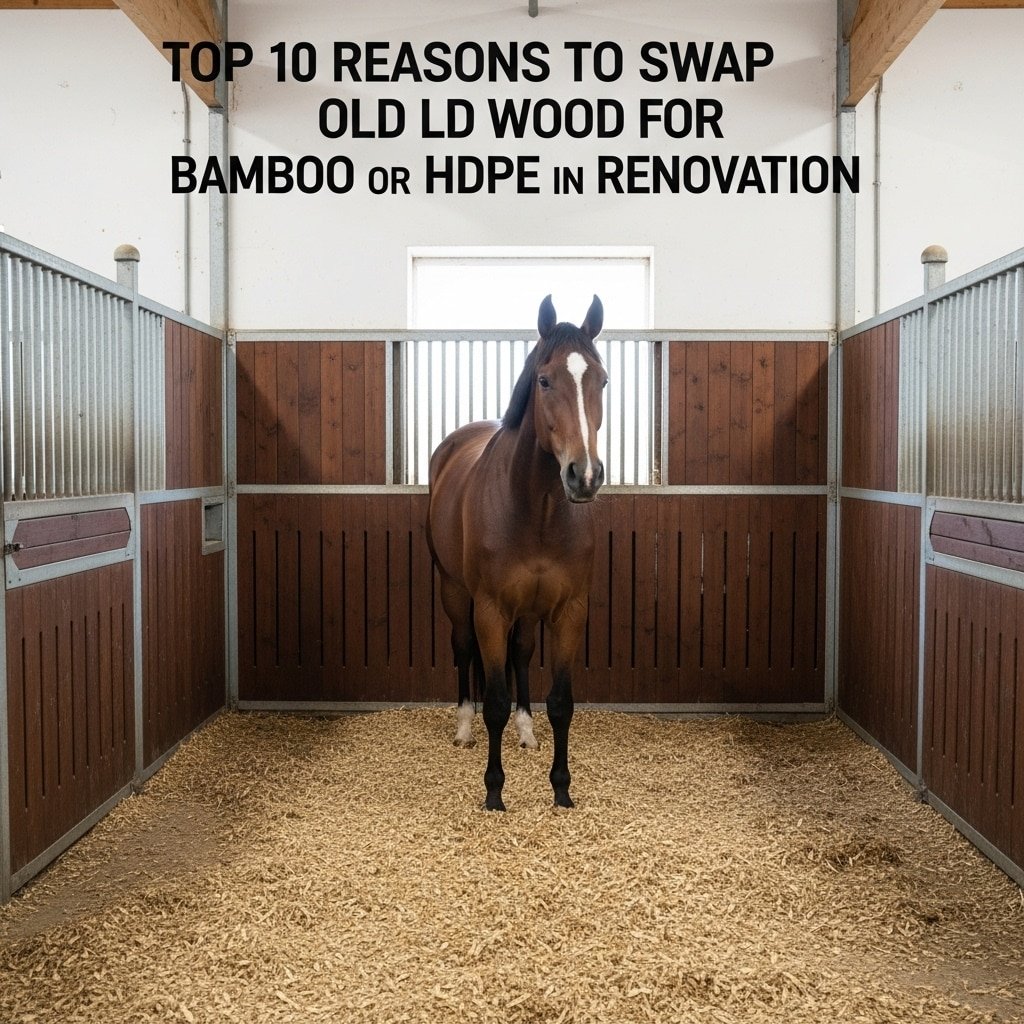
Regulatory Timelines and the Cost of Rejection
Quarantine durations are dictated strictly by the origin’s disease status, creating significant operational variances for facility managers. While horses arriving from low-risk EU nations typically undergo a standard 3-day hold, imports from regions affected by African Horse Sickness are subject to a mandatory 60-day isolation. This disparity requires isolation wards to be adaptable, as long-term detention occupies valuable square footage that directly impacts the throughput of commercial transit centers.
The financial implications of regulatory failure are immediate and severe. Authorities enforce a strict 10-day deadline for the removal of denied horses, creating immense pressure on owners to secure repatriation logistics instantly. If import permits or health certificates fail compliance checks, transit halts, and transport agencies are forced to absorb the escalating costs of extended detention. We design our flat-pack stable systems to support rapid facility expansion, helping project owners mitigate these capacity risks without compromising the l'intégrité structurelle required for high-security detention.
Disease Vectors and Mandatory Biosecurity Standards
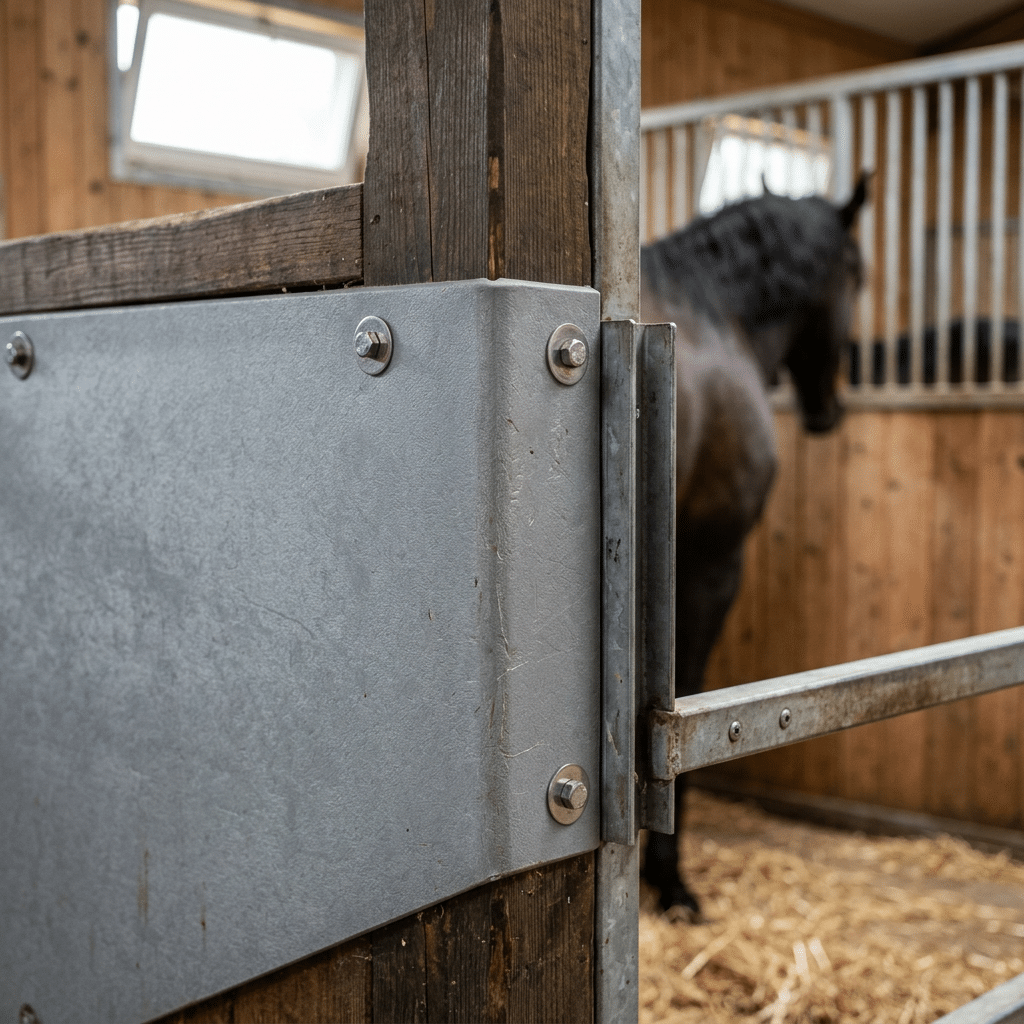
Facilities must maintain absolute containment to prevent the spread of high-consequence pathogens like Glanders, Equine Piroplasmosis, and Equine Infectious Anemia (EIA). Veterinary standards mandate rigorous physical separation—often requiring mosquito-proof infrastructure—to ensure no cross-contamination occurs during the observation window. This necessitates the use of non-porous materials; our HDPE infill options are specifically engineered for this environment, offering a “Zero Maintenance” surface that resists bacterial colonization and withstands the aggressive chemical disinfection protocols used in federal quarantine stations.
Breeding stock faces even higher scrutiny, with stallions and mares undergoing 17 to 31 days of focused testing to rule out Contagious Equine Metritis (CEM). During this extended period, the stall environment undergoes daily virucidal washdowns. Unlike standard powder-coated alternatives which may chip and rust, our Hot-Dip Galvanized (After Fabrication) steel frames provide a self-healing zinc patina that resists corrosion from harsh sanitizers, ensuring the facility remains compliant with biosecurity inspections year after year.
Why USDA/EU Inspectors Reject Wood and Porous Materials
Inspectors reject wood and porous materials because organic substrates harbor pests and pathogens deep within fibers where visual checks cannot reach. Unlike our non-porous hot-dip galvanized steel and HDPE solutions, wood absorbs biological fluids and often carries unreliable treatment certifications, presenting a significant biosecurity risk to quarantine operations.
The Invisible Threat: Inspection Limitations on Organic Substrates
Visual exams frequently fail because insect pests and viral pathogens bury themse
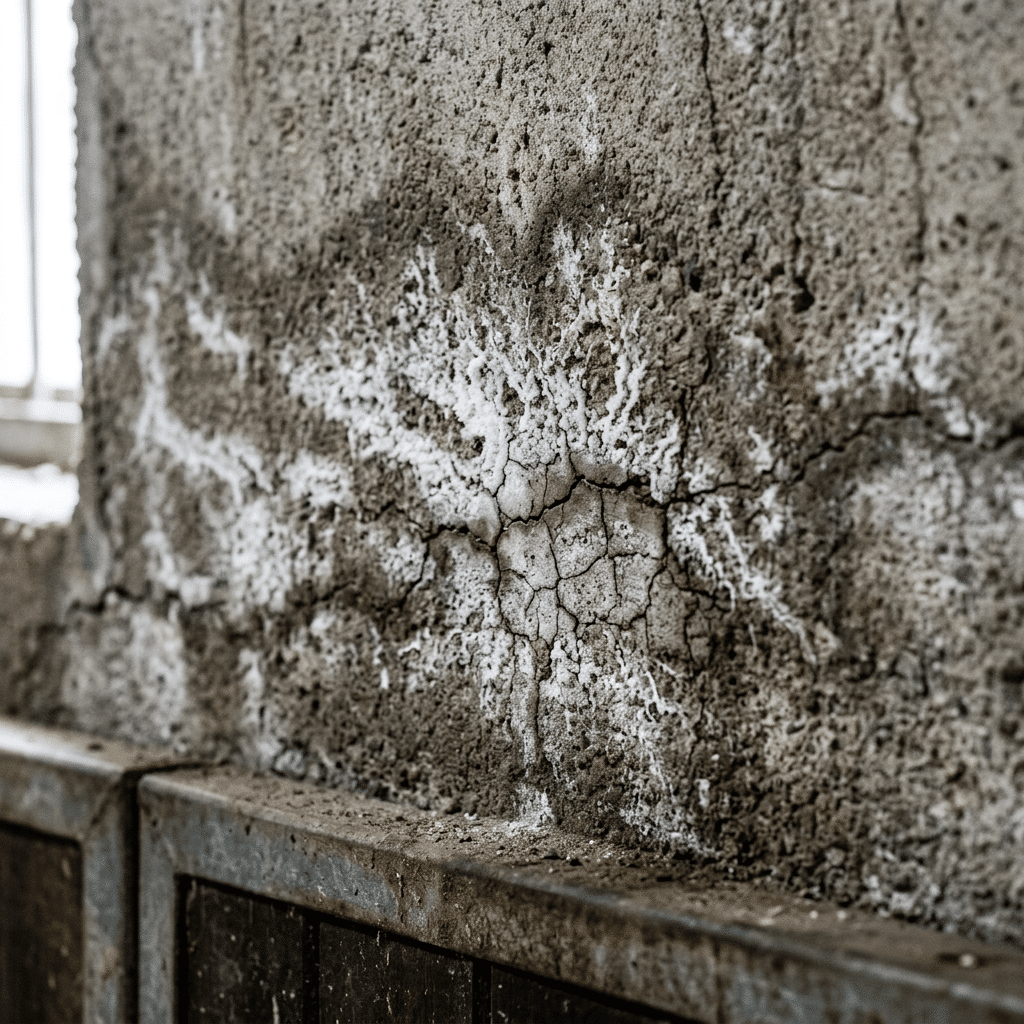
lves deep within wood fibers, making them undetectable without destroying the material. Porous surfaces absorb biological fluids and contaminants, creating reservoirs for disease that survive standard surface cleaning. This absorption risk compromises the sterility required in high-stakes quarantine environments.
Inspectors favor materials like our solid HDPE and hot-dip galvanized steel because they offer no internal hiding spots for organisms. By utilizing non-porous “Zero Maintenance” infills, we ensure 100% effective sanitization and eliminate the risk of pathogen retention that is inherent to organic building materials.
Compliance Gaps: Why Treatment Stamps Are Often Unreliable
Reliance on heat treatment (ISPM 15) markings has proven risky, as EU studies found 97.5% of intercepted contaminated wood shipments actually bore valid compliance stamps. Fraudulent marking and inadequate treatment depth in dense timber mean that certified wood can still introduce biosecurity threats, bypassing standard safety protocols.
Using inert materials like our steel profiles and recycled plastic eliminates the need for complex phytosanitary documentation. This streamlines the approval process for quarantine facility construction, allowing project managers to focus on operational readiness rather than regulatory disputes over material safety.
The 100% HDPE Requirement for Federal Isolation Wards
Strict federal and international quarantine protocols demand non-porous surfaces to prevent cross-contamination between livestock lots. Unlike traditional wood, which traps moisture and bacteria, our High-Density Polyethylene (HDPE) infills offer a hermetically sealed barrier. This ensures compliance with USDA and EU veterinary hygiene standards while withstanding aggressive daily sterilization cycles without degradation.
The Zero-Absorption Standard for Pathogen Control
Federal isolation protocols strictly prohibit porous materials that can harbor bacteria or viruses, rendering traditional wood infills non-compliant for high-level quarantine zones. Even treated timber eventually develops micro-fissures that absorb fluids, creating reservoirs for persistent pathogens like EHV-1 or Strangles. We utilize solid High-Density Polyethylene (HDPE) because it provides a completely sealed surface structure that forbids pathogen ingress.
This impermeable nature allows facility managers to achieve a “zero bio-load” state after sterilization. Between quarantine intakes, cleaning crews can flood the stalls with disinfectants and pressure wash surfaces without risk of water damage or rot. This capability meets the rigorous hygiene standards required for international border control facilities, ensuring that biological risks are neutralized rather than absorbed into the infrastructure.
Technical Specs: Chemical Inertness and Impact Durability
DB Stable engineers our isolation stalls with 28mm-32mm UV-stabilized HDPE planks, specifically chosen to withstand daily exposure to aggressive virucidal sprays. Quarantine environments frequently employ heavy concentrations of phenols, bleach, and quaternary ammonium compounds to maintain biosecurity. Unlike organic materials that bleach or erode, and lower-grade plastics that become brittle, our HDPE remains chemically inert, maintaining structural integrity over decades of intensive washdowns.
Beyond chemical resistance, these heavy-duty planks offer our specific “Kick-Proof Guarantee.” Horses in isolation often experience elevated stress levels due to confinement and separation. Our HDPE material is impact-absorbing, meaning it dissipates the energy from a kick rather than splintering or shattering. This protects the animal from injury and prevents the dangerous structural failures common with rigid alternatives. The material requires “Zero Maintenance,” eliminating the need for painting or sealing, which significantly reduces long-term operational costs while keeping the facility in constant readiness for federal inspection.
HDG Steel: Surviving Daily Virucidal Washdowns
In high-traffic quarantine facilities, daily sterilization with harsh virucidal agents destroys standard paint and powder coatings. Our Hot-Dip Galvanized (HDG) steel withstands this chemical aggression by forming a metallurgical bond harder than the base steel itself, ensuring structural integrity for decades despite rigorous washdown protocols.
Chemical Resistance Through Metallurgical Bonding
Quarantine facilities subject steel to aggressive virucidal agents daily, a process that quickly strips standard paint and organic coatings. Our hot-dip galvanization resists this chemical stress by creating a metallurgical bond with a strength of approximately 3,600 psi. This is not merely a surface layer; it is an integrated alloy structure that fuses the zinc to the steel.
The zinc coatin
g forms three specific intermetallic layers—Gamma, Delta, and Zeta—that become harder than the base Q235B or Q345B steel. This unique structure allows the material to corrode at just 1/30th the rate of bare steel, even in humid, chemically active environments found in wash bays.
A critical advantage for these high-traffic areas is the self-healing zinc patina. If a hose nozzle or hoof scratches the surface, the zinc reacts with moisture to naturally seal the breach. This prevents the chemical ingress that typically destroys powder-coated alternatives, ensuring your investment remains rust-free.
The “Hot-Dip After Fabrication” Advantage
We strictly adhere to the BS EN ISO 1461 standard by utilizing the “Hot-Dip After Fabrication” method. While many competitors weld pre-galvanized tubes—leaving seams exposed to rust—we immerse the entire welded frame into molten zinc. This ensures that every joint and seam is fully sealed against moisture.
This total immersion technique coats both the exterior and the interior of our hollow posts (50mm x 50mm RHS or 114mm Round). By protecting the internal structure, we prevent internal rot caused by condensation and trapped cleaning fluids, which is a common failure point in cheaper stable systems.
Our production standard ensures an average coating thickness exceeding 85 microns for structural parts. This heavy barrier withstands 96+ hours of ASTM B117 Salt Spray testing, ensuring the facility remains operational for decades without the need for structural replacement.
Réflexions finales
Facilities relying on porous wood or pre-galvanized steel face immediate shutdown risks when inspection teams uncover hidden pathogens. We engineer our Hot-Dip Galvanized (After Fabrication) frames and solid HDPE infills to survive the aggressive chemical warfare required for federal biosecurity. This “Zero Maintenance” standard safeguards your operational throughput against costly quarantine failures and repetitive repair cycles.
Do not compromise your import license with non-compliant infrastructure. Contact our engineering team today to review your facility’s layout and secure a flat-pack logistics plan that maximizes container efficiency for global deployment. We are ready to validate our BS EN ISO 1461 specifications against your local veterinary protocols.
Questions fréquemment posées
What are the requirements for an equine quarantine facility?
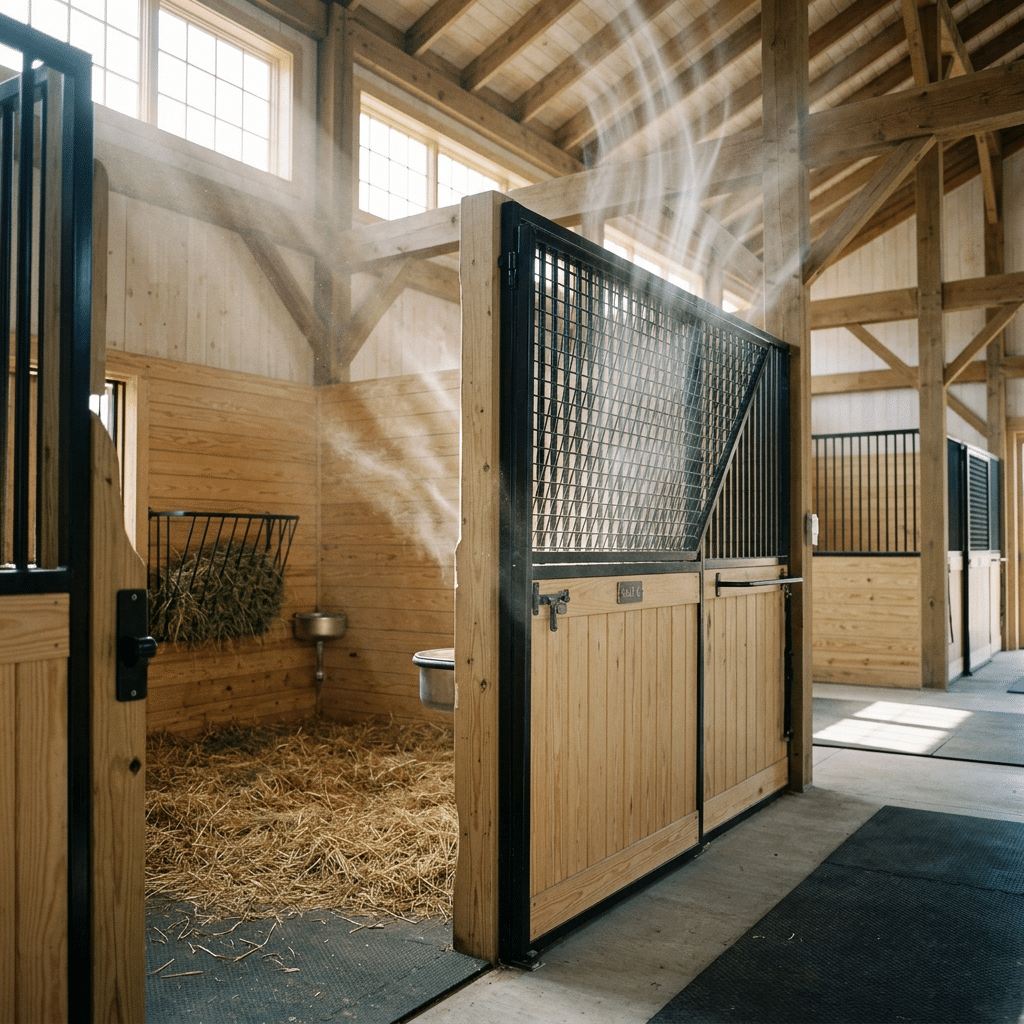
Quarantine facilities demand non-porous, impervious surfaces that withstand aggressive chemical disinfection. Our stalls meet these standards using hot-dip galvanized steel (BS EN ISO 1461) and HDPE infill, ensuring zero moisture absorption. We also incorporate “Cast-Proof” designs and “Stack Effect Ventilation” to maintain airflow while preventing physical contact between isolated horses.
USDA approved materials for horse stalls?
While specific approvals vary by region, inspectors universally reject porous materials like untreated wood that harbor pathogens. The industry standard for compliance is 100% HDPE (High-Density Polyethylene) combined with galvanized steel. Our systems eliminate rust traps and wood grain, offering a sterile surface that passes strict sanitary inspections.
Best stall material to prevent EHV-1 spread?
HDPE is the superior choice for disease control because, unlike wood, it does not splinter or absorb nasal secretions. When paired with our hot-dip galvanized frames, the entire structure can withstand daily virucidal washdowns without corroding, effectively neutralizing EHV-1 risks and maintaining a sterile environment.
Are HDPE stable boards chemical resistant?
Yes, our HDPE infill is chemically inert and highly resistant to acids, alkalis, and industrial disinfectants. This allows facility managers to use strong sanitizers required for disease outbreaks without degrading the material. We couple this with our “Lifetime” rust protection on steel frames to ensure total system durability.
Building an airport equine holding center?
Airport facilities require high-volume throughput and absolute safety. We recommend our heavy-duty Q345B steel frames to withstand impact from stressed horses during transit. For these large-scale projects, our flat-pack logistics system allows us to ship 30-45 sets per container, significantly reducing freight costs for international airport construction.

 French
  English
  Spanish
  Arabic
  German
0 commentaires