


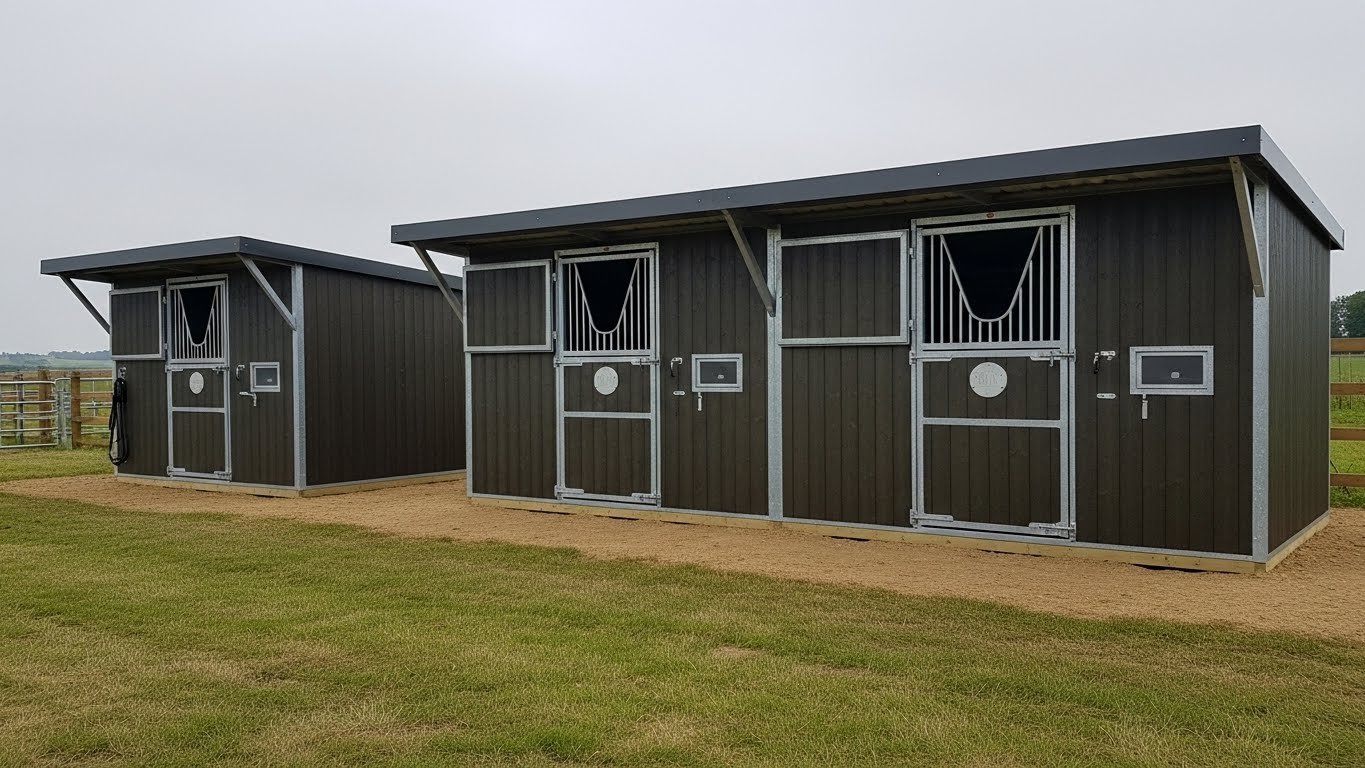
Choosing the right truck for your stable delivery involves a key trade-off: the full weather protection of an enclosed dry van versus the unloading flexibility of an open flatbed. One keeps your materials perfectly dry, but the other lets you unload with a forklift directly in a field or yard.
This guide breaks down the critical differences between these trucking types. We’ll compare how each trailer handles jobsite logistics, especially when a standard 48- to 52-inch loading dock isn’t available. We will also examine the real costs, including why flatbed shipping often comes at a premium and how tarping fees can add another $50 to $150 to your budget.
Dry Van (Box Truck): Weather Protection
Dry van trailers offer superior weather protection with a fully enclosed design that shields cargo from rain, snow, wind, and sun. Their sealed aluminum or steel bodies prevent moisture and contamination, while lockable doors add security.
Enclosed Structure for Full Cargo Shielding
The fully enclosed trailer design is a dry van’s primary defense, shielding cargo from elements like rain, snow, wind, and sun. Sealed bodies, typically made of aluminum or galvanized steel, prevent moisture and other contaminants from reaching the freight, keeping it in optimal condition during transit. To complement this weatherproofing, lockable rear doors and tamper-resistant seals add a critical layer of security against theft and unauthorized access.
Specifications and Protective Limitations
While highly protective, dry vans have specific limitations. A standard 53-foot trailer can carry a maximum payload of 45,000 lbs and fits 26 standard pallets within its enclosed space. Its hardwood floors offer excellent durability but can become vulnerable to moisture from internal condensation or wet freight over time. Most importantly, dry vans lack climate control systems, which makes them unsuitable for transporting goods that require specific temperature or humidity levels.
Flatbed: The Easy Unloading Solution
Flatbed trailers have an open-deck design that allows freight to be accessed from the sides, rear, or top. This makes them ideal for jobsite and field deliveries of bulky or irregularly shaped materials, as cranes or forklifts can unload them quickly without a traditional loading dock.
| Fonctionnalité | Flatbed Trailer | Enclosed Dry Van |
|---|---|---|
| Loading/Unloading Access | From sides, rear, or top (crane) | Rear only |
| Ideal Unloading Location | Jobsites, fields, yards (no dock needed) | Loading dock |
| Common Cargo | Lumber, steel, machinery, oversized freight | Palletized goods, boxed inventory |
Open Deck for Unrestricted Access
Flatbed trailers feature an open-deck platform, allowing freight to be accessed from the sides, rear, or from above by a crane. This design provides flexibility for forklifts and loaders, eliminating the need to be positioned at a specific dock door. Unloading is often much faster compared to the constraints of an enclosed dry van.
Suited for Jobsite and Field Deliveries
Flatbeds are ideal for delivering long, bulky, or irregularly shaped materials like machinery, lumber, pipe, and steel. They can be loaded and unloaded directly in fields, yards, or construction sites that lack permanent loading docks. This capability reduces material handling steps and eases congestion at facilities with limited dock space.
Step Deck & Lowboy: For Tall Loads
Step deck and lowboy trailers are specialized open-deck platforms designed to transport freight that is too tall for a standard flatbed. Step decks feature a single drop in height, while lowboys (or double-drops) have an even lower central well for maximum height clearance. A specific type, the Removable Gooseneck (RGN), allows the front to detach, creating a ramp for heavy machinery to be driven directly onto the trailer.
Step Deck (Single-Drop) Trailers
Step deck trailers feature a lower main deck and a shorter upper deck, a design that lets them carry loads taller than what a standard flatbed can handle. The main deck height is usually around 42 inches, which accommodates freight like construction machinery or crated structures up to 126 inches tall. Some specialized super low-profile versions use smaller wheels to lower the deck even more, which maximizes legal load height without needing special permits.
Lowboy (Double-Drop) Trailers
Lowboy trailers are built with an extremely low middle section, or “well,” that sits just 18 to 26 inches off the ground. This design is specifically for hauling the tallest freight, including excavators, large tractors, and industrial modules up to 12 feet high. These trailers can also manage very heavy cargo, with weight capacities that often range from 40,000 to over 80,000 pounds.
Removable Gooseneck (RGN) Trailers
A Removable Gooseneck (RGN) is a type of lowboy where the front gooseneck section detaches, which allows the trailer to drop to the ground. This function creates a built-in ramp, letting self-propelled equipment like dozers drive directly into the trailer’s well. RGNs are ideal for the construction, agriculture, and mining industries where safe, drive-on loading is a primary requirement.
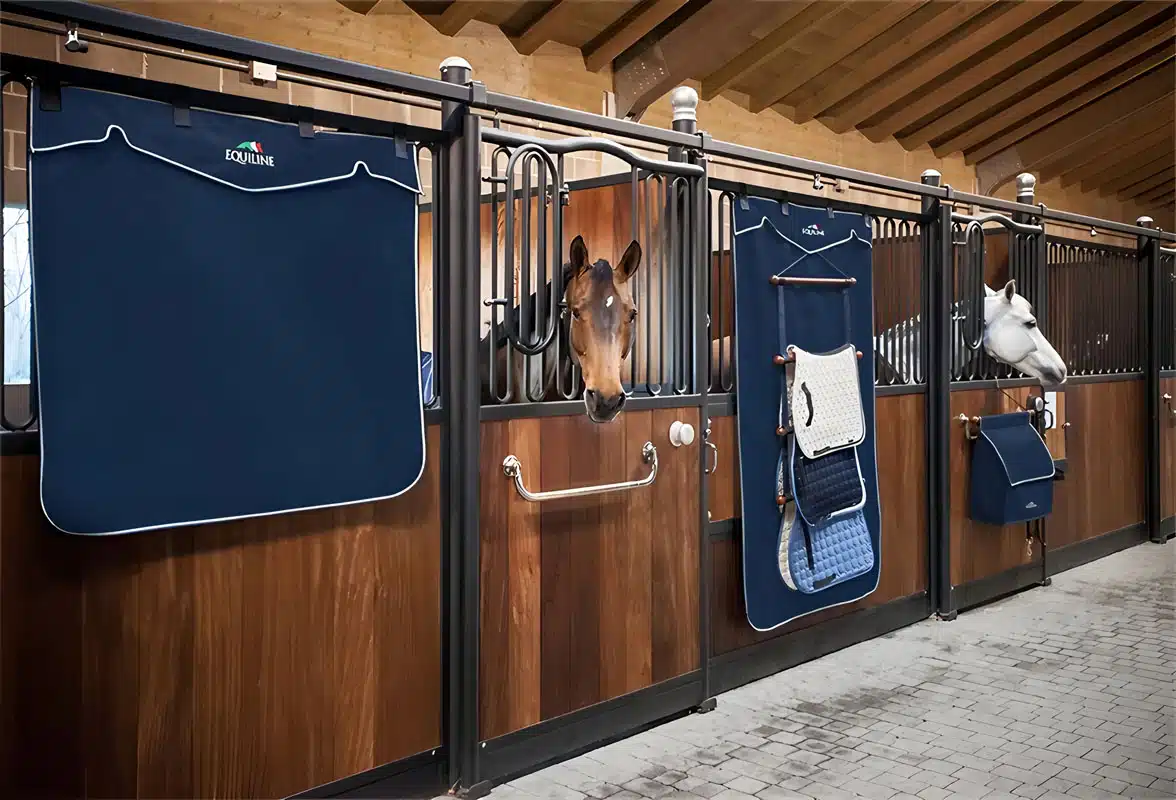
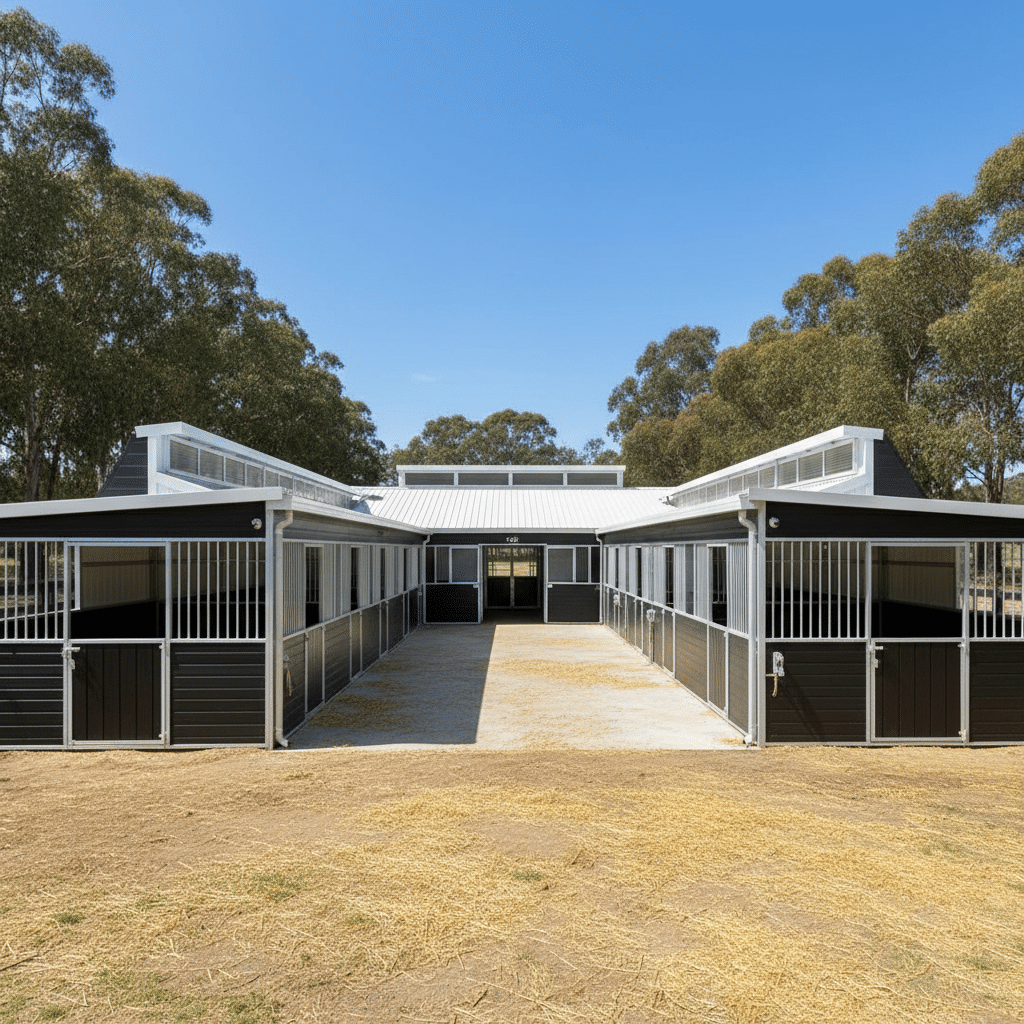
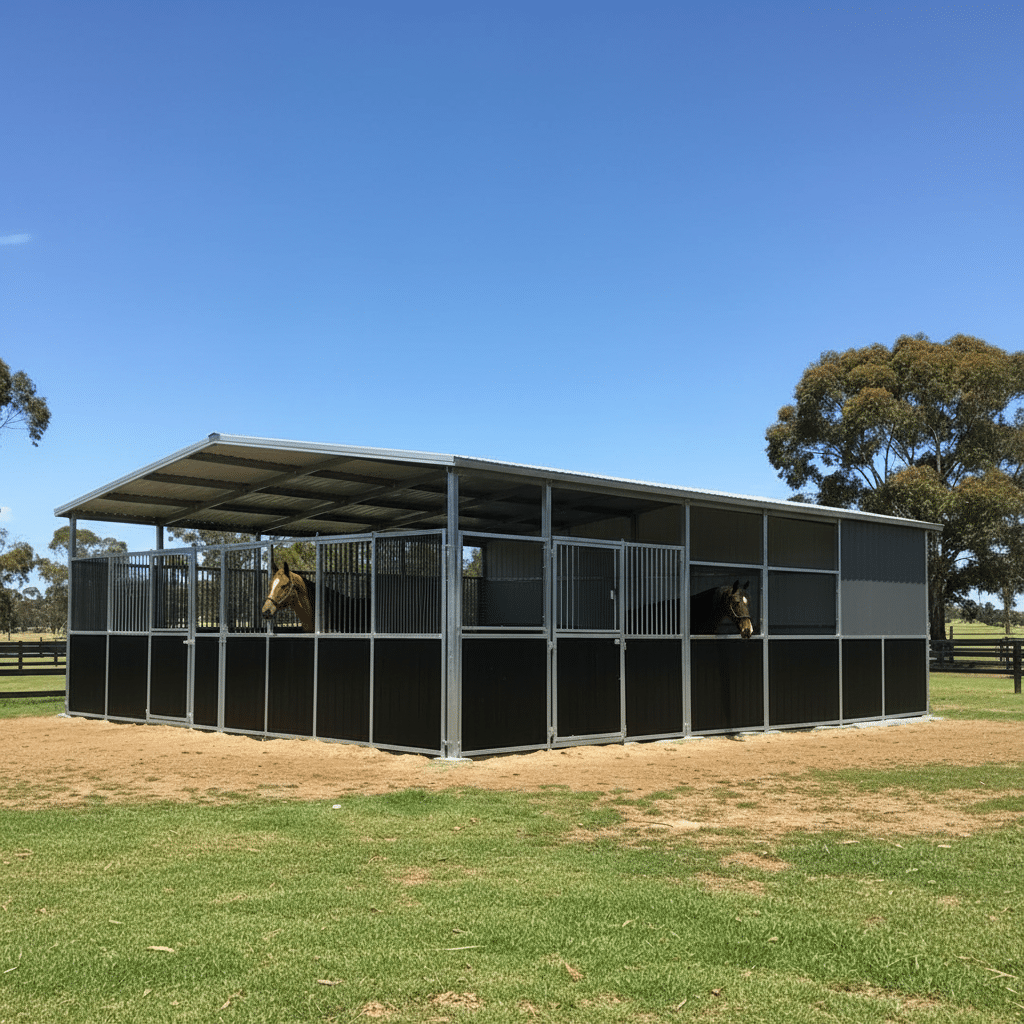
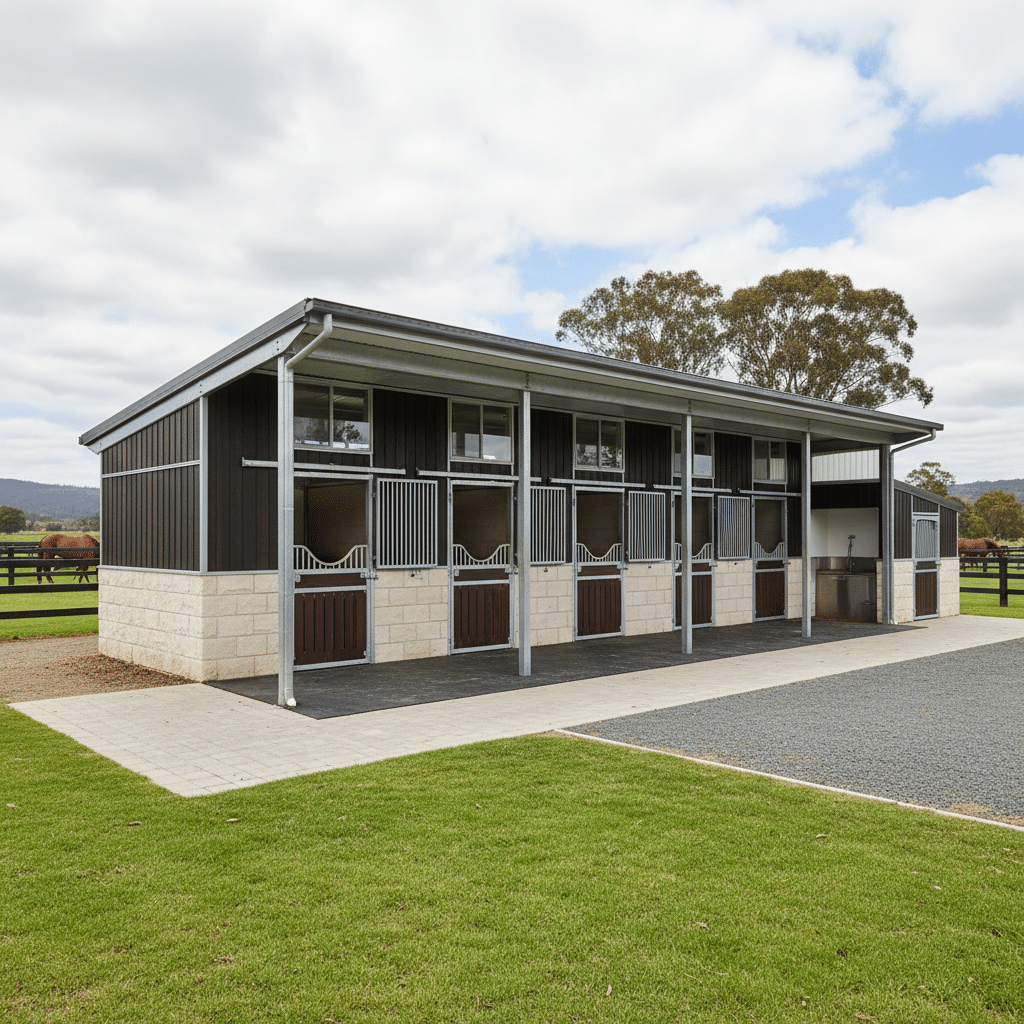
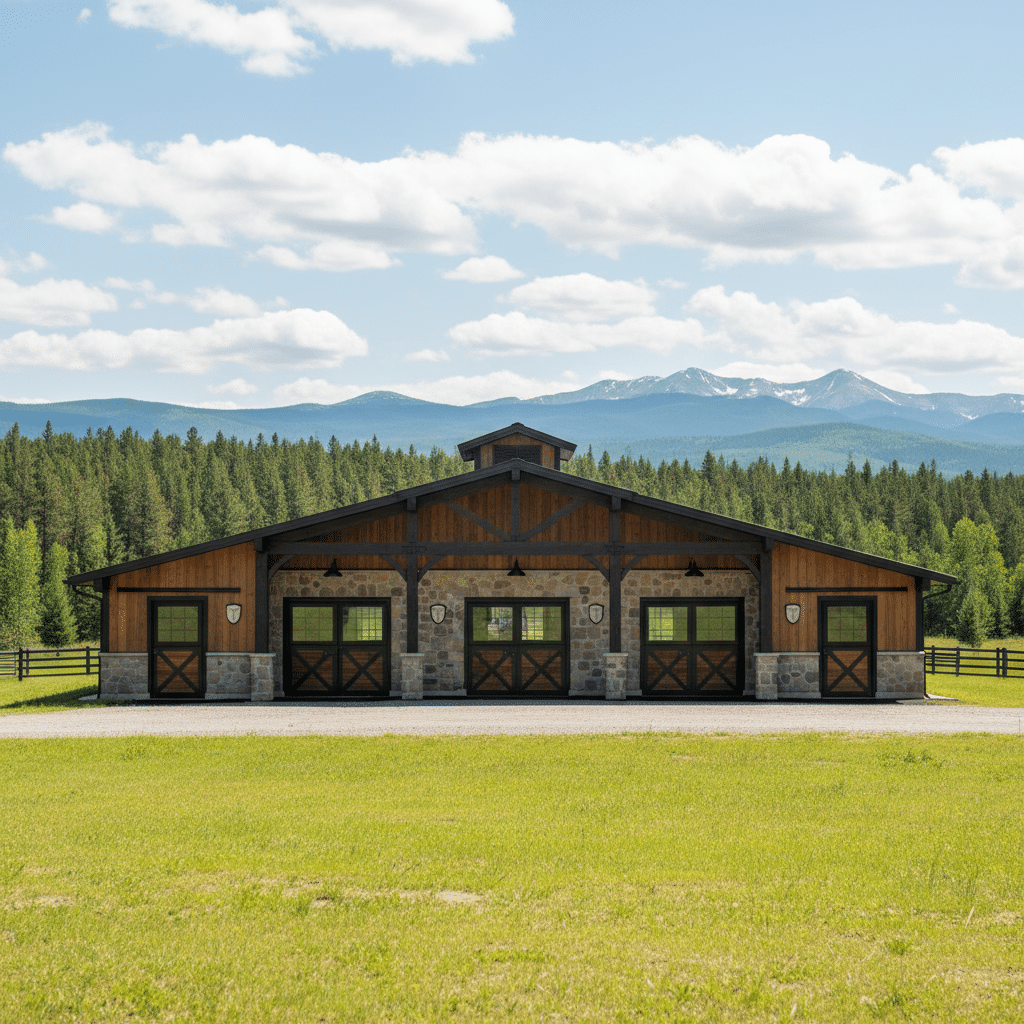
Durable, Custom Horse Stables for Any Climate
Tarping Costs (Protecting Flatbeds)
Tarping fees for flatbed loads typically range from $50 to $150 for standard shipments. Charges increase to $200–$300 for oversize freight and can exceed $750 for heavy-haul jobs, reflecting the added complexity, equipment, and driver time required.
Standard Load Surcharges
Carriers typically charge a flat tarping fee between $50 and $150 for most standard-sized flatbed loads. This price can vary based on weather conditions, the effort required from the driver, and whether the tarp can be applied indoors.
Fees for Oversize and Heavy-Haul Freight
For oversize or over-dimensional loads, tarping charges commonly increase to about $200–$300 per shipment. Heavy-haul shipments that are both very large and heavy can have tarping fees of $750 or more, as they need specialized equipment and more driver time.
Driver Pay vs. Billed Charges
Some trucking companies pay their drivers a set amount, such as $40 per tarped load, for their labor. The carrier then bills the shipper a higher accessorial fee, keeping the difference to cover tarp costs, overhead, and margin.
Dock Height vs. Ground Level
Loading docks are typically built 48–52 inches above the ground to align directly with a semi-trailer’s floor, enabling forklifts to drive straight on for fast loading. Ground-level loading, by contrast, occurs at 0 inches and needs a portable ramp or lift to access the truck bed, offering more flexibility for various vehicle heights but at a slower pace.
Standard Dock Heights for Trailer Alignment
Most warehouses feature a standard dock height of 48 to 52 inches. This elevation is designed to align directly with the bed of a typical semi-trailer, creating a level bridge for forklifts and pallet jacks to drive straight onto the truck. The seamless transition speeds up loading and unloading cycles while reducing physical strain on workers. Ground-level loading, which happens at a height of 0 inches, requires a ramp or a mechanical lift to bridge the vertical gap to the truck bed.
Accommodating Different Truck Bed Heights
While standard semi-trailers have bed heights around 48 inches, a facility might also service smaller box trucks or farm delivery vehicles with much lower decks. To handle this variance, many docks are equipped with dock levelers. These adjustable plates typically provide 12 inches of movement up or down, allowing a 48-inch dock to service trailers with bed heights from 36 to 60 inches. When a truck’s bed falls outside this range, a ground-level approach with a portable ramp or dock lift becomes the practical solution.
Questions fréquemment posées
Is a flatbed more expensive than a dry van?
Yes. On average, flatbed shipping is typically more expensive, often with a 10% price premium. As of early 2026, typical dry van rates range from $1.50–$3.50 per mile including fuel, while flatbed rates are higher at about $1.75–$4.00 per mile. Flatbed carriers also face higher operating costs for insurance and equipment.
Do I need a loading dock for a dry van?
No, you do not strictly need a loading dock. Alternatives like portable dock ramps or ground-level unloading can work, especially if the site has forklifts or other equipment to bridge the height difference to the trailer bed, which is typically 48-52 inches high.
Will my stables get wet on a flatbed?
Yes, your stables can get wet on a flatbed trailer because it has an open design with no built-in protection. To protect cargo from rain and weather, you must request and pay for tarping services, which adds labor and does not always guarantee complete protection.
What is a Conestoga trailer?
A Conestoga is a flatbed trailer equipped with a retractable tarp-on-frame system. It offers the weather protection of an enclosed dry van but maintains the easy side and top loading flexibility of a standard flatbed.
Can I unload a dry van from the ground?
Yes, you can unload a dry van from the ground if the freight and site allow for it. This typically requires either hand-unloading items using portable steps or using equipment like a forklift that can reach the trailer floor from the ground. For safety and efficiency, unloading from the ground demands a firm, level surface.
Do you tarp the load?
Loads are tarped on flatbed trailers when the freight requires protection from weather, based on the shipper’s instructions. Freight inside a dry van is not tarped, as the enclosed trailer itself provides all necessary protection.
Réflexions finales
The right truck for your stables comes down to your delivery site and priorities. A dry van gives you peace of mind with complete protection from rain, snow, and road grime, ensuring your materials arrive clean. You will need a loading dock or a forklift and a level surface for efficient unloading. A flatbed offers unmatched flexibility, allowing for easy unloading with a crane or forklift directly in a field or yard. This convenience comes with the risk of weather exposure unless you request and pay for tarping.
Before booking, assess your unloading capabilities and the weather forecast. If you have a loading dock and a forklift, a dry van is a secure and often more affordable choice. For deliveries to an open field or a site without a dock, a flatbed is almost always necessary. Be sure to discuss tarping needs and costs with your carrier upfront to avoid any surprises when your écuries arrive.
référencement naturel
Title: Dry Van vs. Flatbed: Which Truck Should Deliver Your Stables?
Description: Flatbed vs dry van is a choice of protection vs. flexibility. Dry vans are enclosed but need a dock, while flatbeds allow easy field unloading.
URL: flatbed-vs-dry-van
Keywords: flatbed vs dry van


 French
  English
  Spanish
  Arabic
  German
0 commentaires