par Frank | Mar 6, 2026 | Blog
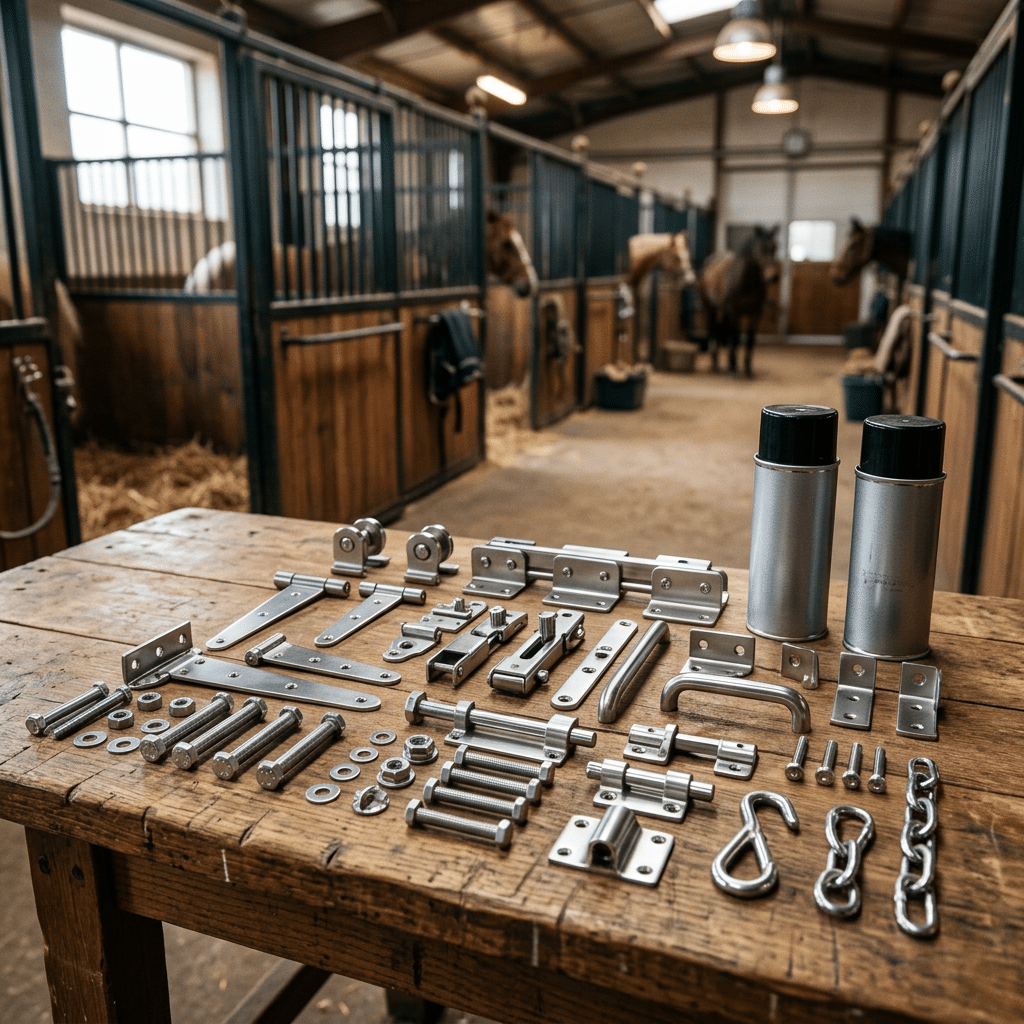
Sourcing the right portable horse stalls is a critical ROI calculation where the initial unit price often hides the true cost. Most systems suffer from two major profit drains: inefficient logistics that limit container loads to just 15 sets and premature rust that...
par Frank | Mar 6, 2026 | Blog
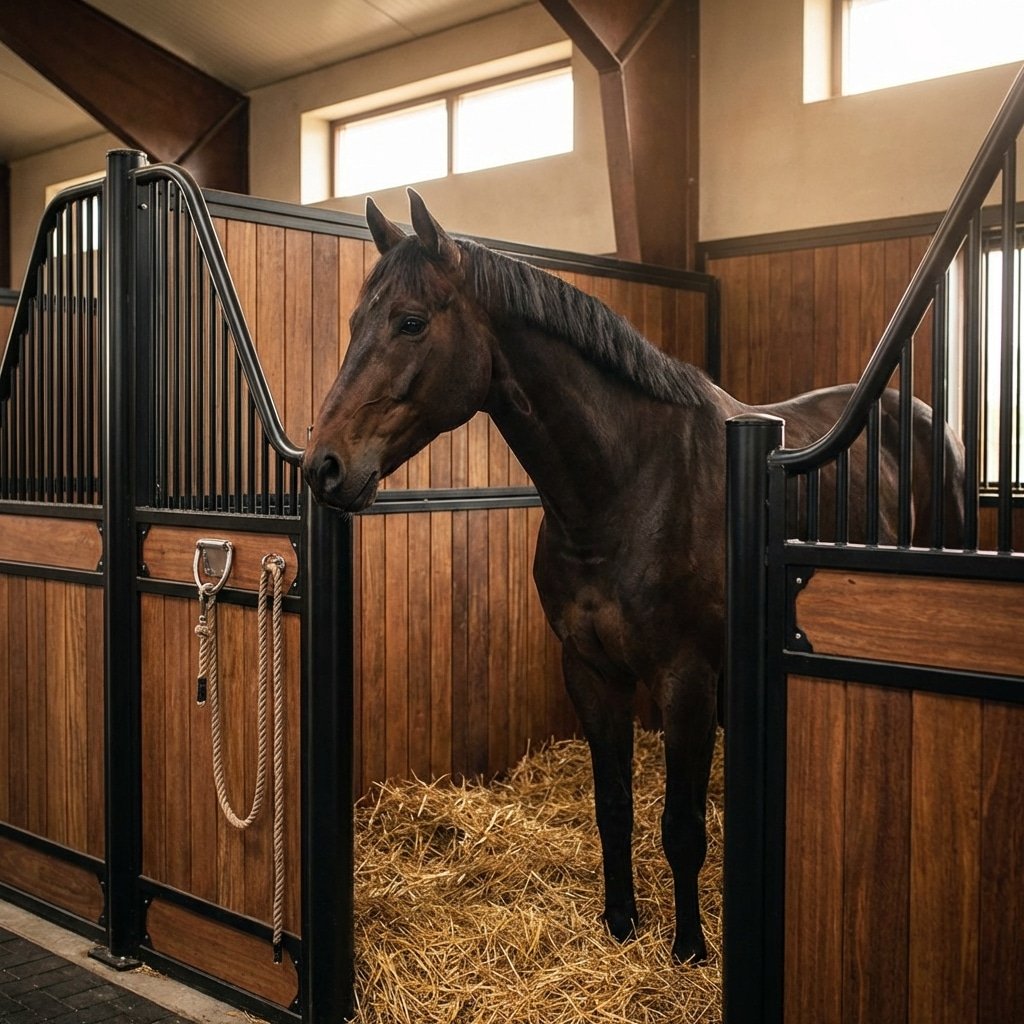
Improperly positioned Inside Tie Rings are a leading cause of avoidable mechanical injury in high-traffic equine facilities. Placing hardware below the chest line creates a slack trap that risks career-ending tendon damage and significant veterinary liability. This...
par Frank | Mar 6, 2026 | Blog
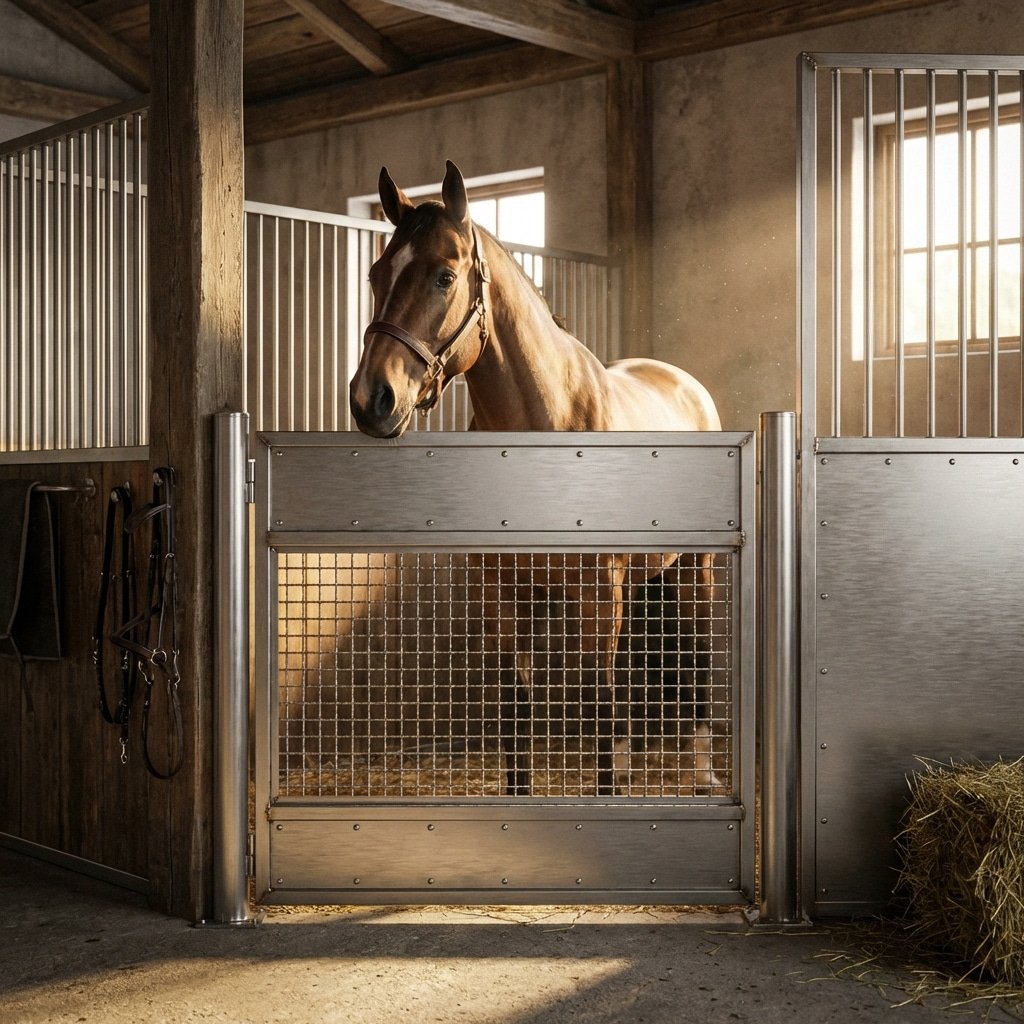
Managing destructive Weaving Habits is a structural challenge that exposes the weakness in standard stable engineering. Continuous lateral swaying fatigues generic welds and timber walls, leading to costly facility repairs and compromised animal safety. This guide...
par Frank | Mar 6, 2026 | Blog
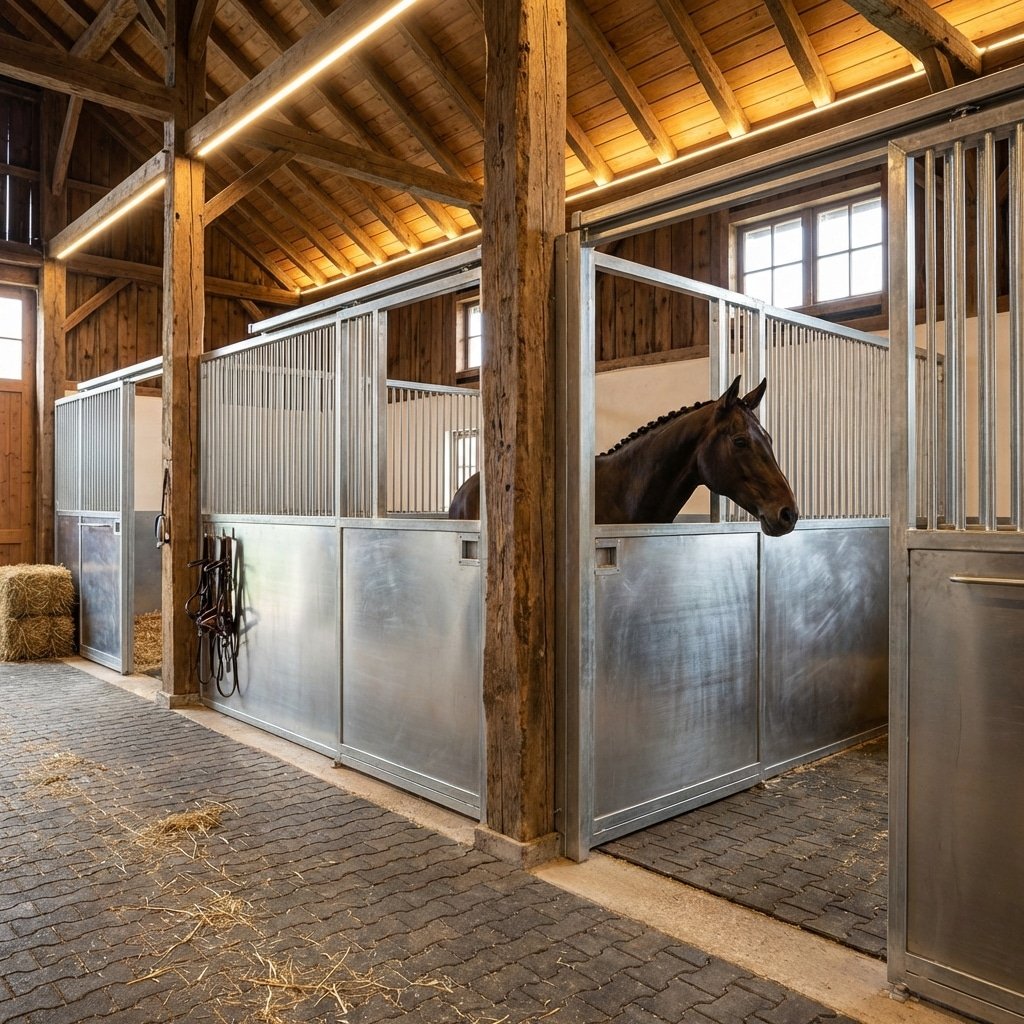
Pillar wrapping techniques distinguish successful barn renovations from structural liabilities. Cutting a load-bearing 6×6 post to fit a standard stall front voids insurance policies and destroys the building’s vertical load path. This error shifts weight to trusses...
par Frank | Mar 5, 2026 | Blog
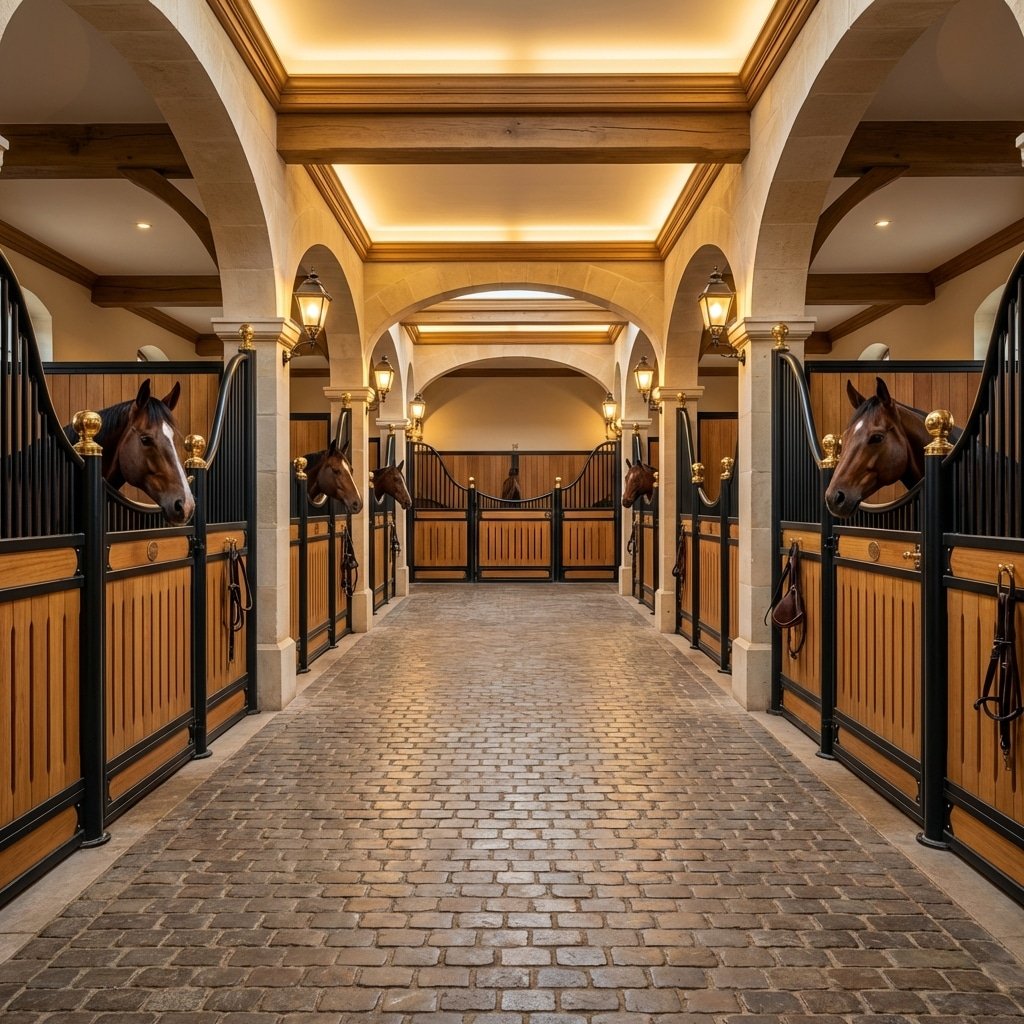
Sourcing equestrian infrastructure for France requires balancing the aesthetic legacy of the Ancien Régime with modern industrial longevity. Relying on traditional oak or standard painted steel invites rapid warping and corrosion, costing estate managers significantly...
par Frank | Mar 5, 2026 | Blog
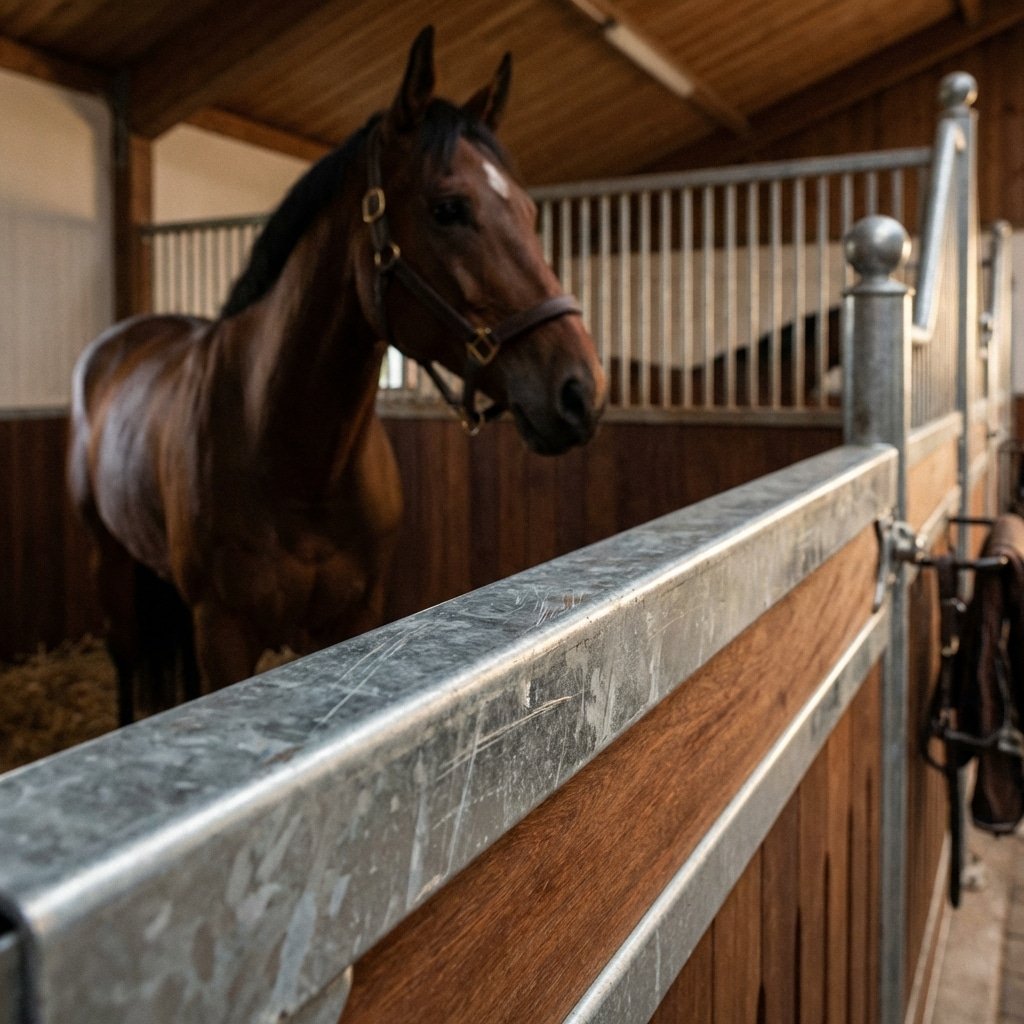
Uncontrolled cribbing & chewing destroys stable infrastructure and exposes horses to fatal impaction colic. Relying on topical pastes creates a dangerous maintenance gap, as saliva and rain wash away deterrents long before the behavior stops. Without physical...


 French
  English
  Spanish
  Arabic
  German