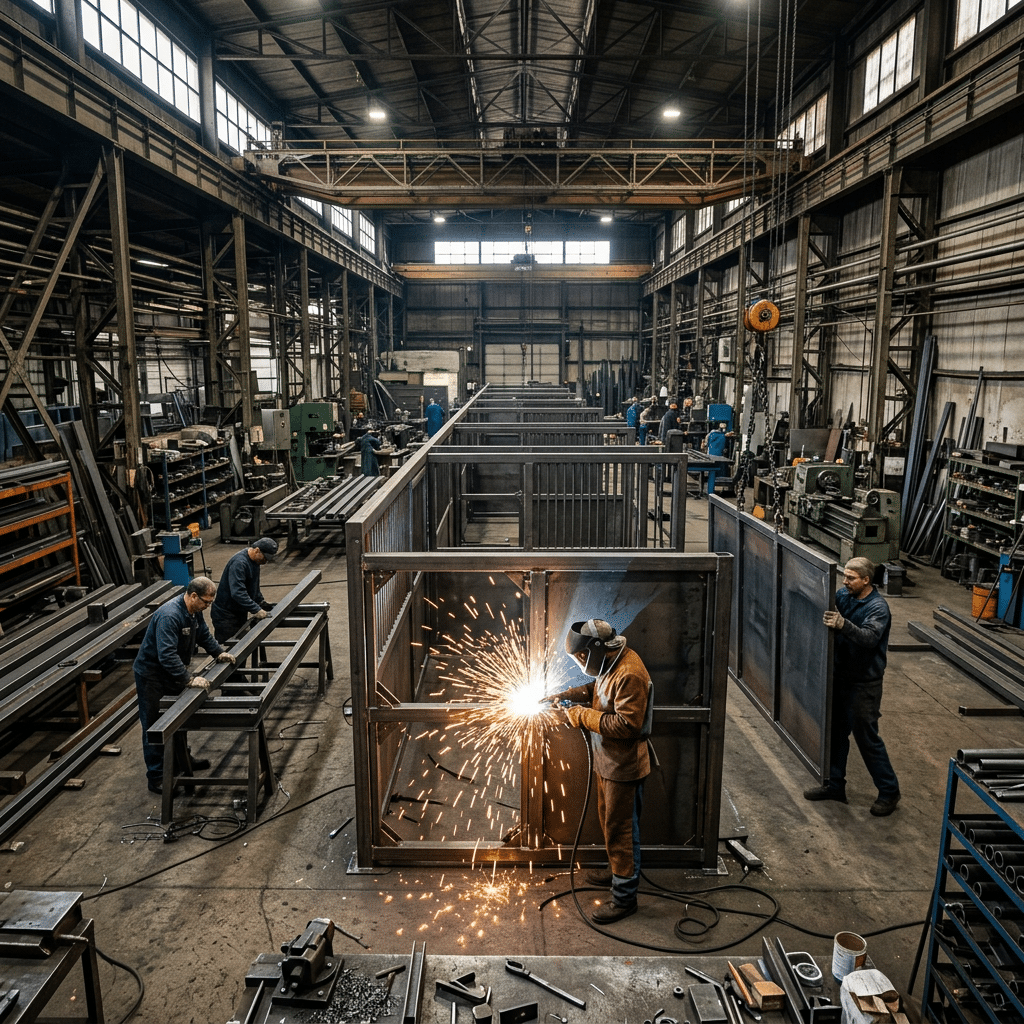
par Frank | Mar 27, 2026 | Blog
Heat stress management in Spain determines the operational viability of any equestrian facility during the intense summer months. Relying on enclosed masonry or poorly ventilated wood structures creates a physiological furnace that jeopardizes high-value horses and...
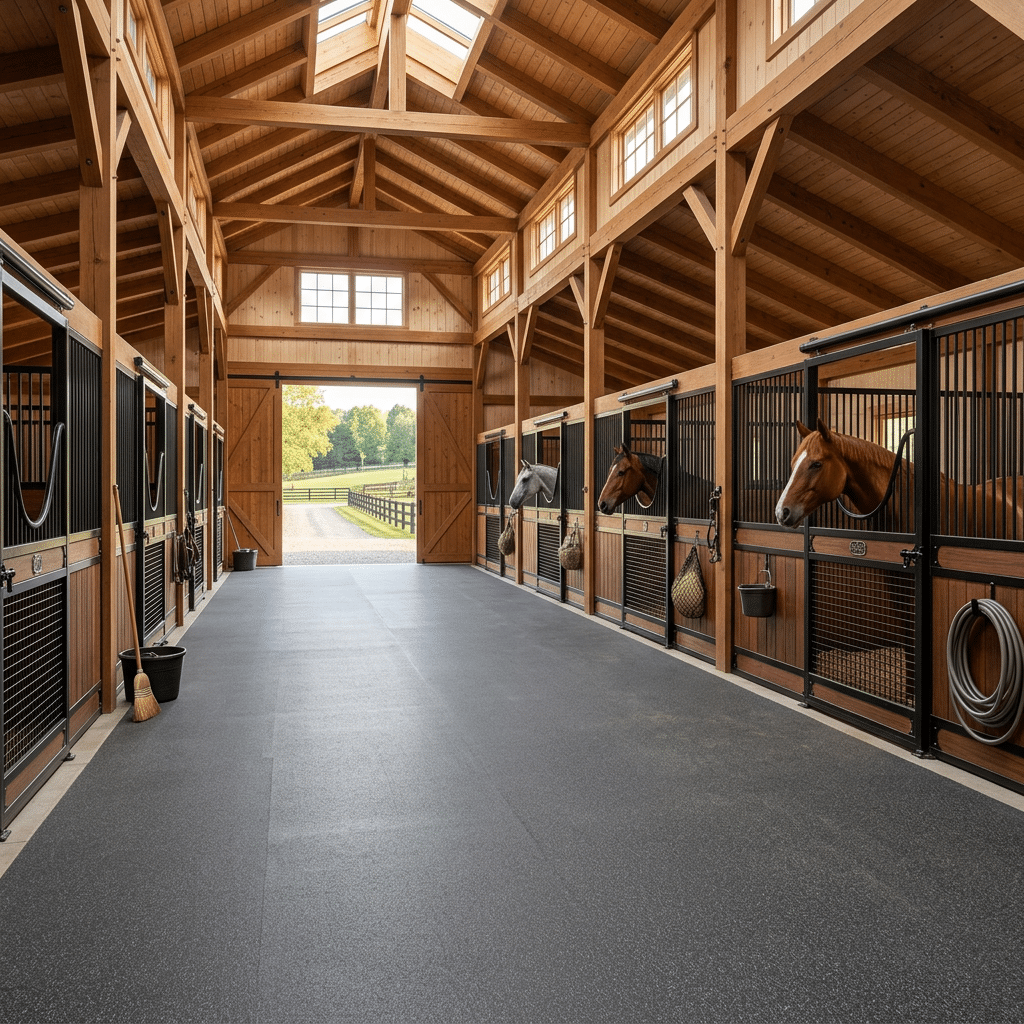
par Frank | Mar 27, 2026 | Blog
Olympic Training infrastructure demands more than aesthetics; it requires absolute risk mitigation for equine assets valued in the millions. Standard agricultural stabling often fails under the dynamic stress of elite warmbloods, creating injury liabilities that...
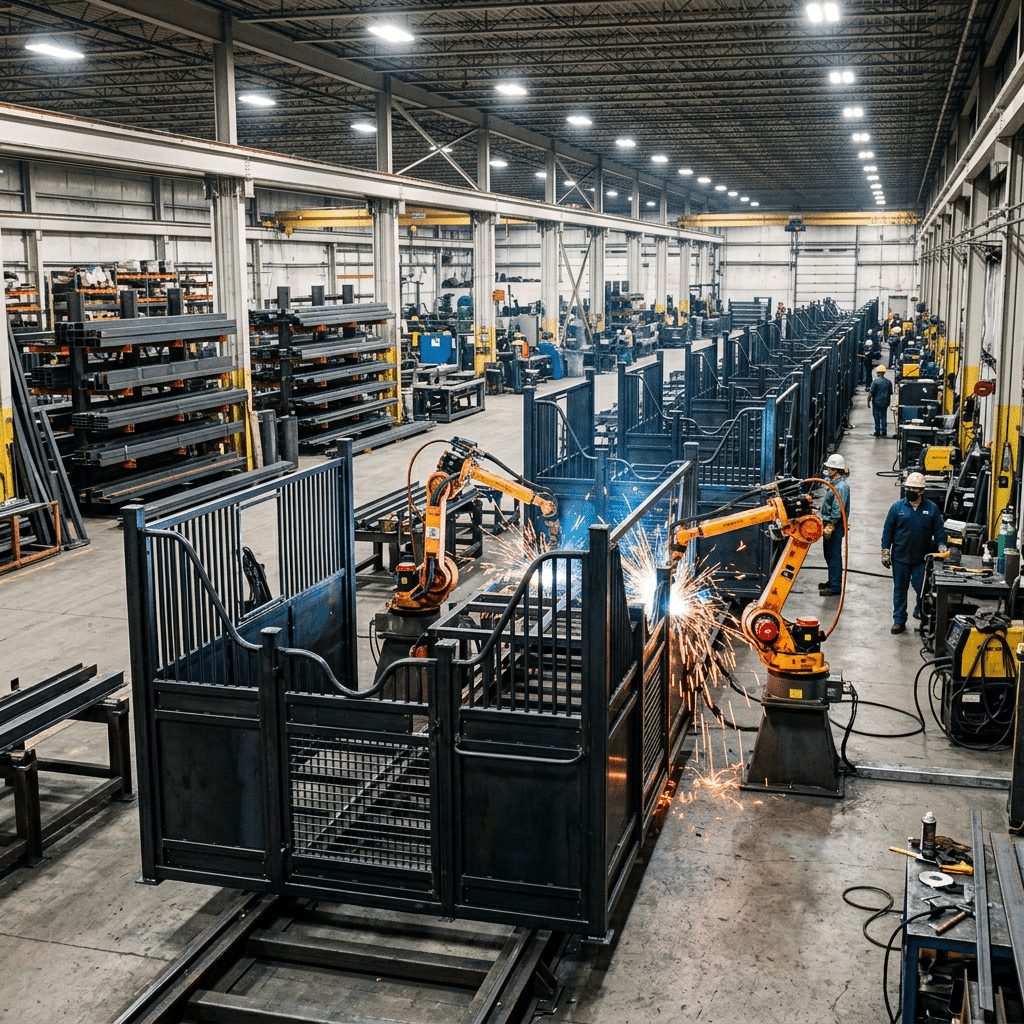
par Frank | Mar 27, 2026 | Blog
Stall Guard D-Rings must be integrated during fabrication to prevent catastrophic pull-out failures. Retrofitting screw-in eyes into 2.0mm RHS tubing compromises the steel wall integrity and strips internal threads under dynamic equine impact. This mechanical weakness...
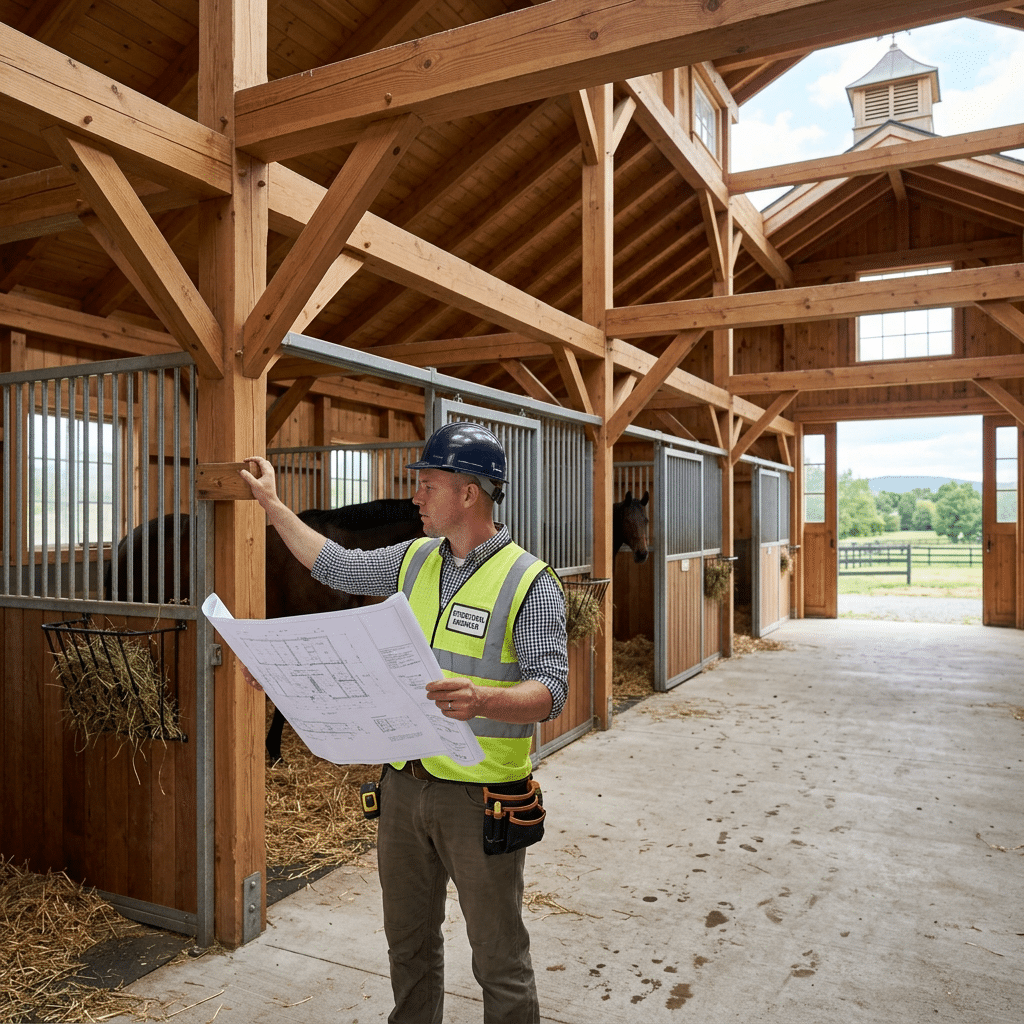
par Frank | Mar 26, 2026 | Blog
Olympic Training facilities demand infrastructure that balances elite performance with strict asset protection. Syndicates and investors face significant financial exposure when inferior stabling compromises the safety of high-value horses or fails to meet emerging...
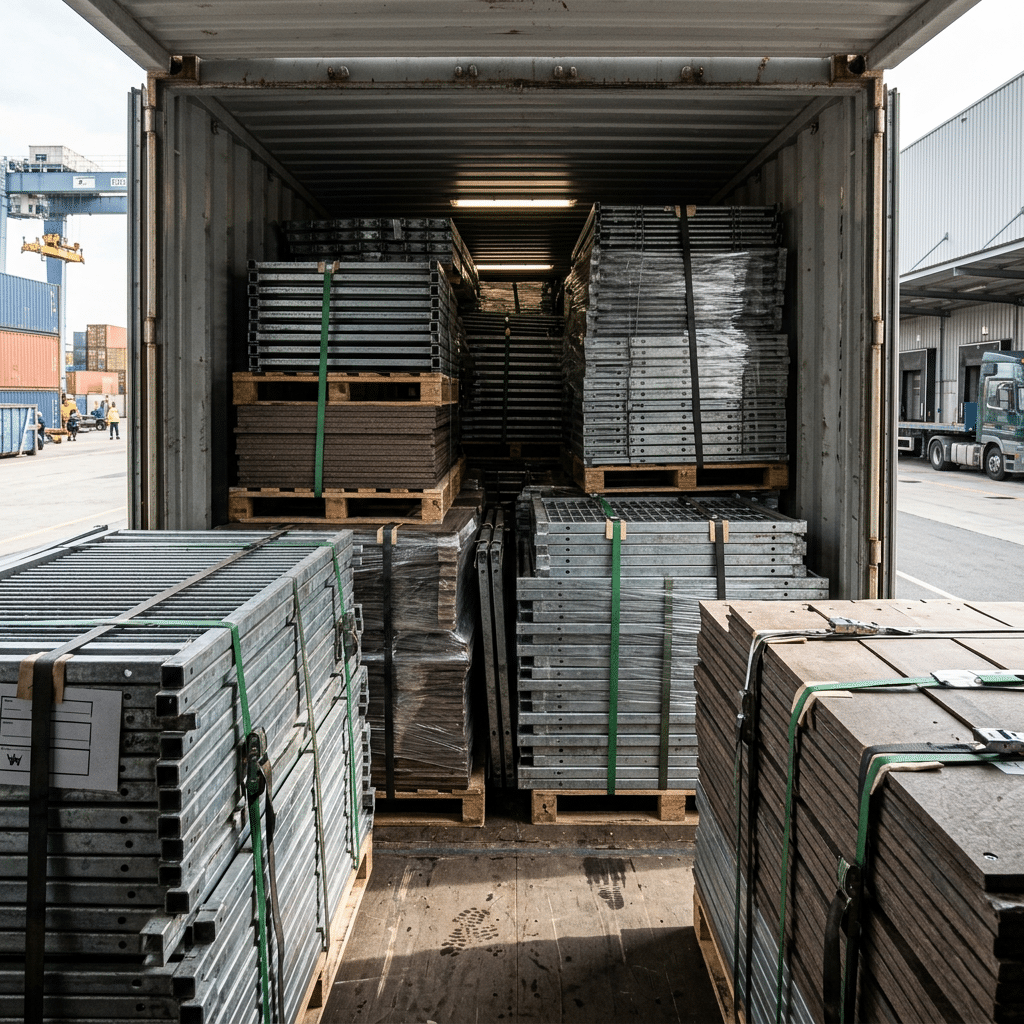
par Frank | Mar 26, 2026 | Blog
Equipping facilities in Denmark demands structural steel capable of withstanding the ductile-to-brittle transition found in sub-zero climates. Standard mild steel often fractures under equine impact during a hard freeze, turning a budget renovation into a significant...
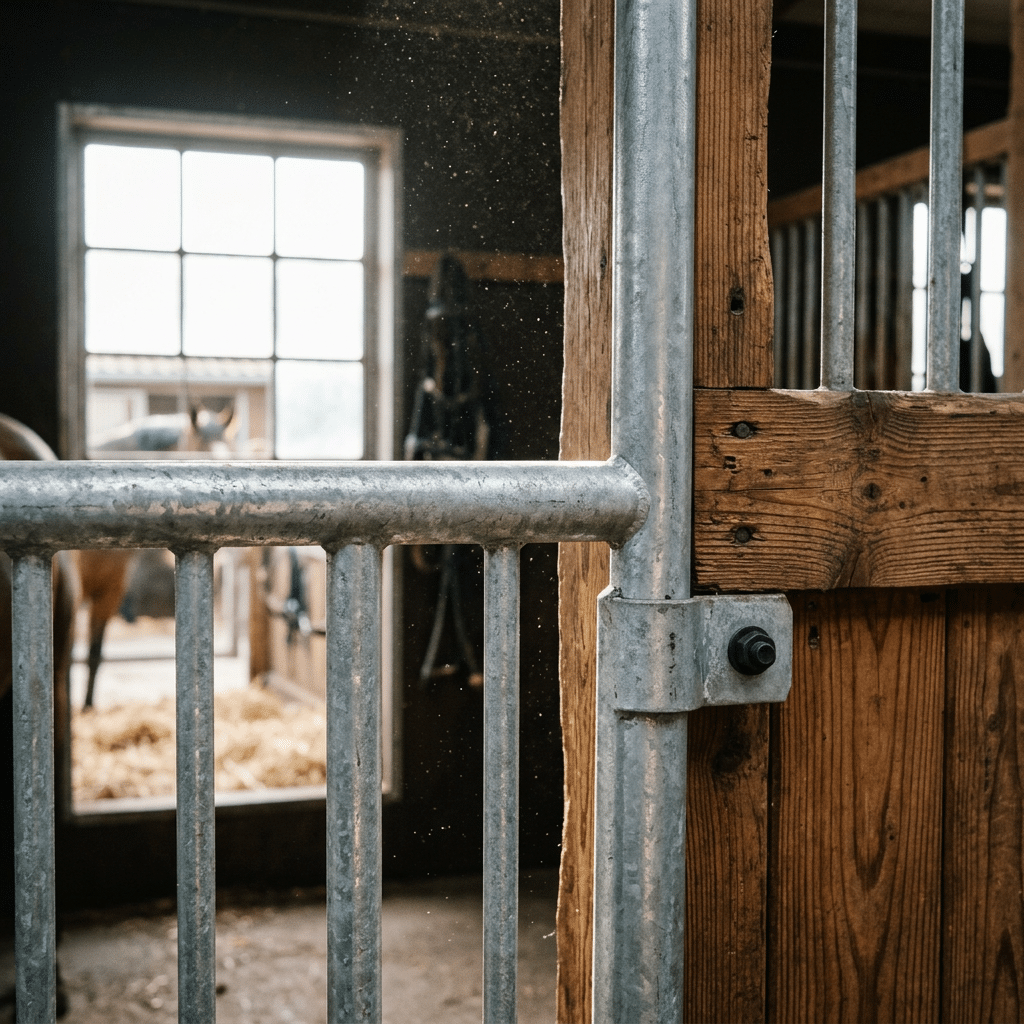
par Frank | Mar 26, 2026 | Blog
Optimizing Roof Vents & Grills is the only structural defense against the thermodynamics of a steel barn in the southern heat. Without a calculated intake and exhaust strategy, heat accumulates in the roof peak while ammonia stagnates at the floor level. This...


 French
  English
  Spanish
  Arabic
  German