

Blog
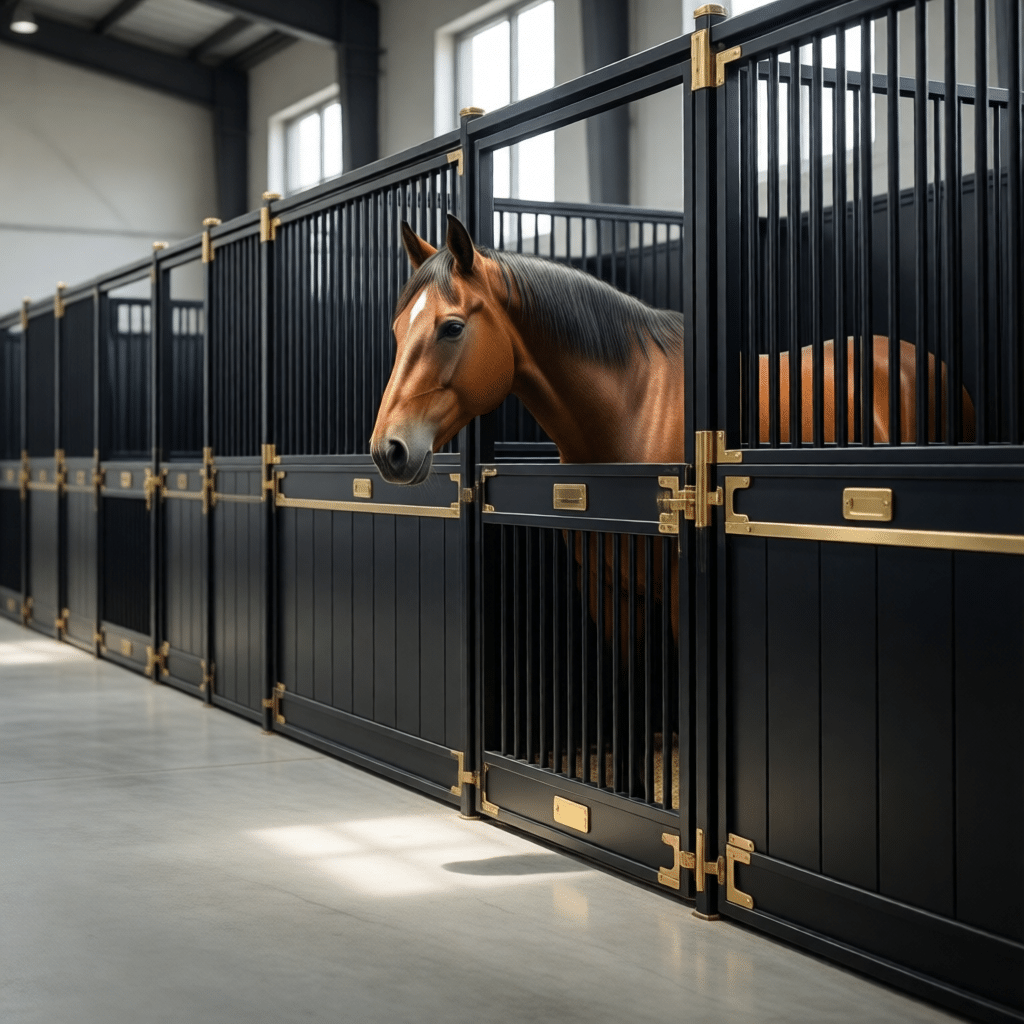
Connecting Modular Horse Stall Panels: 4-Way vs 2-Way Connectors
Sourcing high-grade Multi-Way Connectors is the primary safeguard against structural instability in expanding equestrian facilities. While generic drop-pin systems suffice for temporary events, they fail to provide the rigidity needed for permanent barns, often...
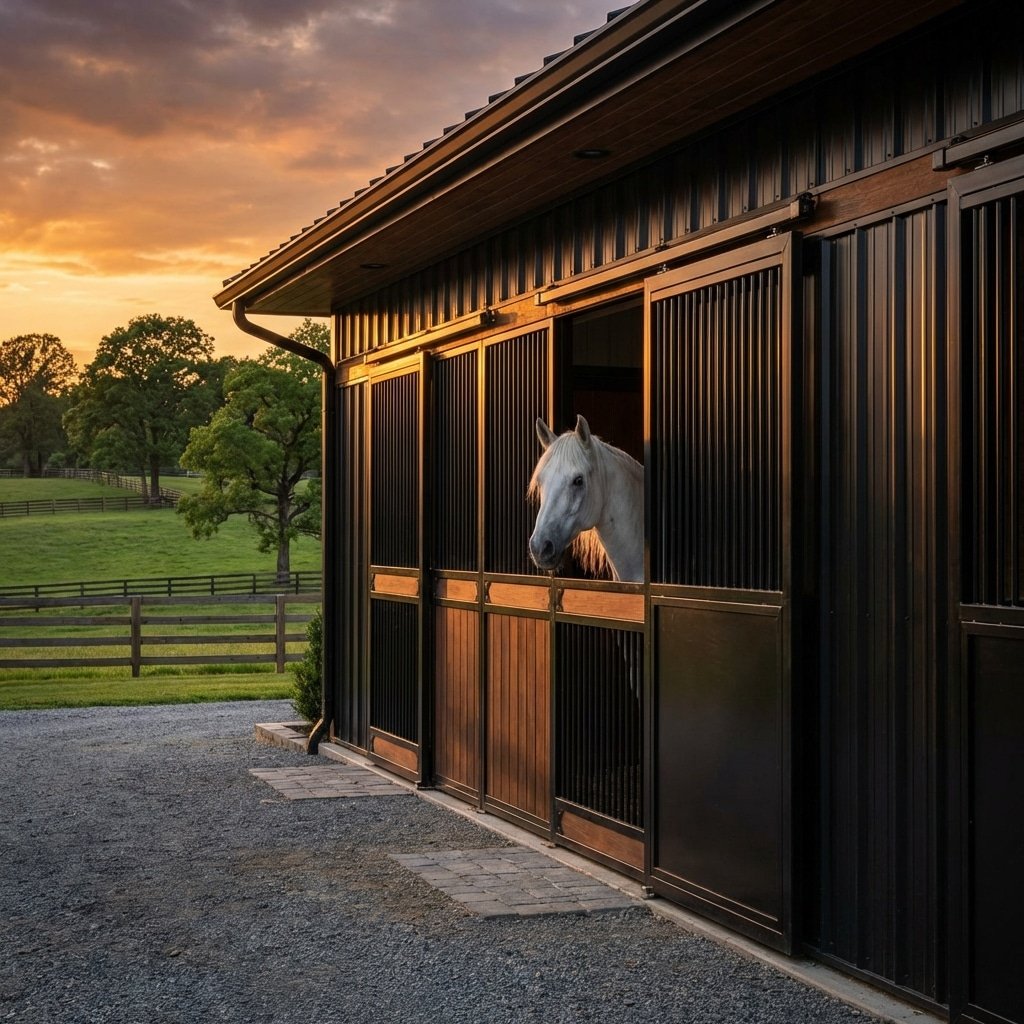
Top 5 Horse Stable Suppliers on Alibaba in 2026 (And Who to Avoid)
Strategic Alibaba Sourcing for horse stables determines whether you secure a lasting asset or inherit a rusting liability. Purchasing "pre-galvanized" units often leads to immediate weld corrosion, forcing distributors to absorb expensive warranty claims that destroy...
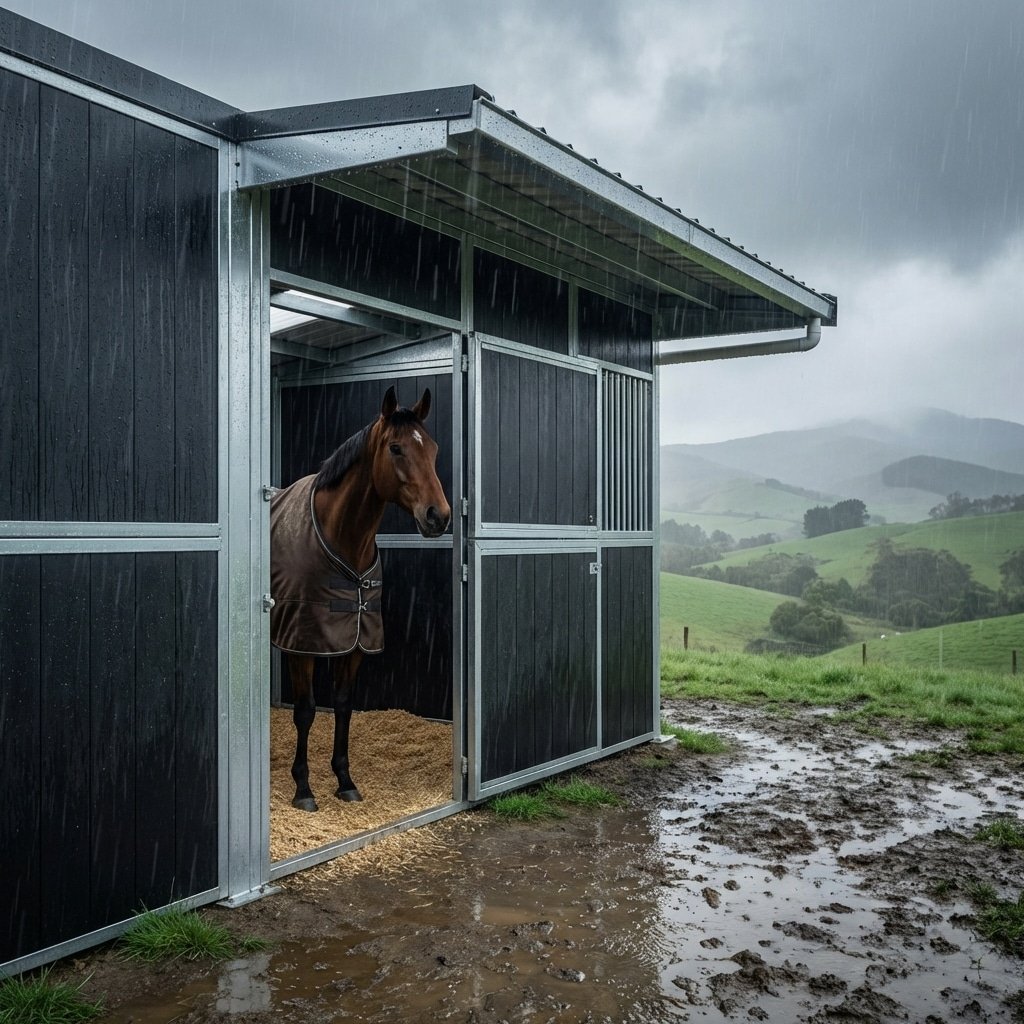
Waterproof Horse Stall Panels: Surviving New Zealand’s High Rainfall
Securing equestrian infrastructure in New Zealand requires navigating aggressive rainfall patterns that destroy standard timber rapidly. Relying on traditional pine or pre-galvanized steel invites structural failure within five years, turning initial savings into a...
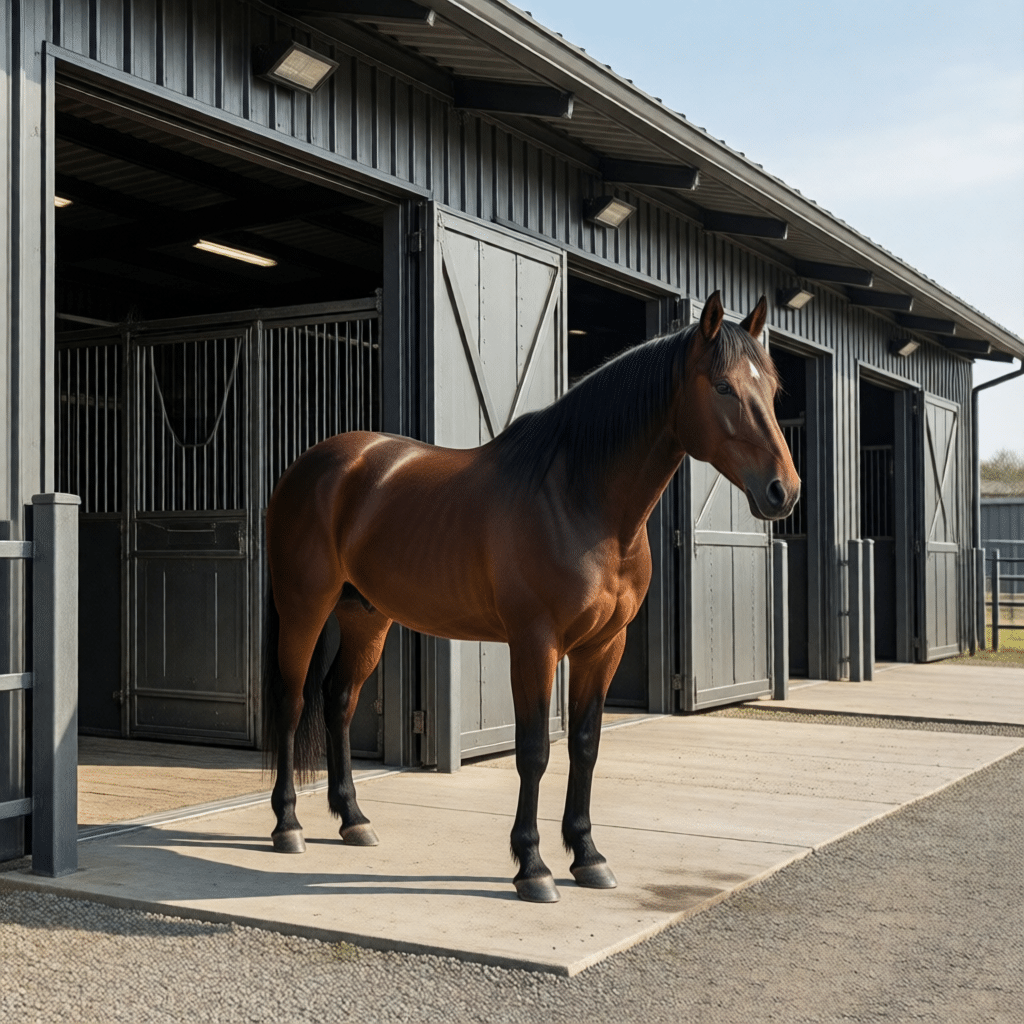
Les 5 meilleurs fabricants d'écuries robustes pour les unités de police montée
Procuring infrastructure for Mounted Police Units is a critical exercise in risk mitigation and public liability reduction. Standard agricultural stables often buckle under the dynamic impact of large draft crosses, leading to catastrophic injuries and expensive...

UK Horse Stables: Choosing Sliding Stall Fronts for BHS Compliance
Sourcing compliant stabling for UK projects demands strict adherence to British Horse Society welfare mandates, particularly in narrow heritage barns. Installing standard hinged doors in these restricted spaces creates immediate liability risks and operational...
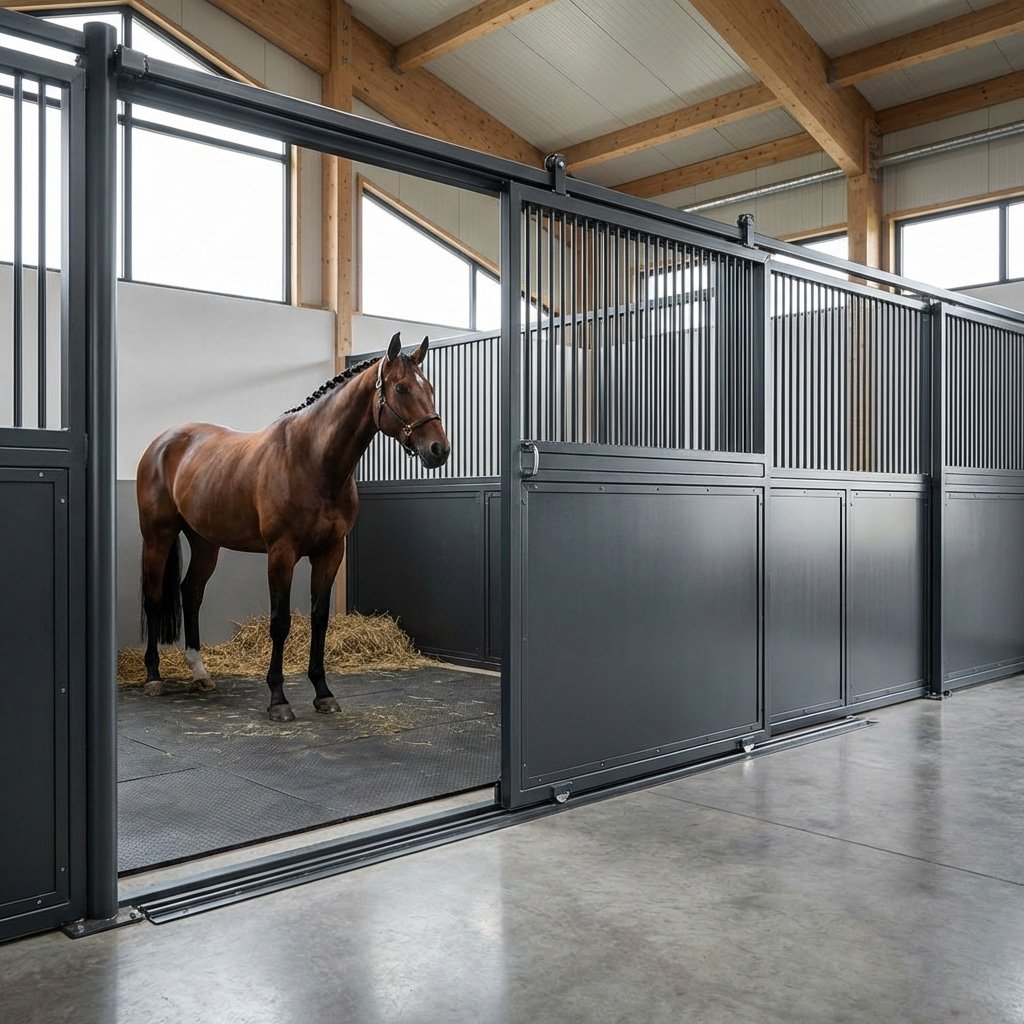
Installing Stay Rollers on Concrete Floors for Sliding Horse Stables
Bottom Stay Rollers are the critical mechanical constraint preventing the dangerous pendulum effect in sliding stall systems. Failing to secure the door at floor level transforms a heavy Q235B steel frame into a swinging lever that twists overhead tracks and creates...

Modular Horse Stall Kits in the USA: Why 14-Gauge Steel is the Standard
Sourcing modular horse stall kits in the USA often exposes builders to the hidden risks of under-spec 16-gauge tubing. Installing these lighter frames invites catastrophic kick-through failures within the first two years, turning a profitable contract into a...
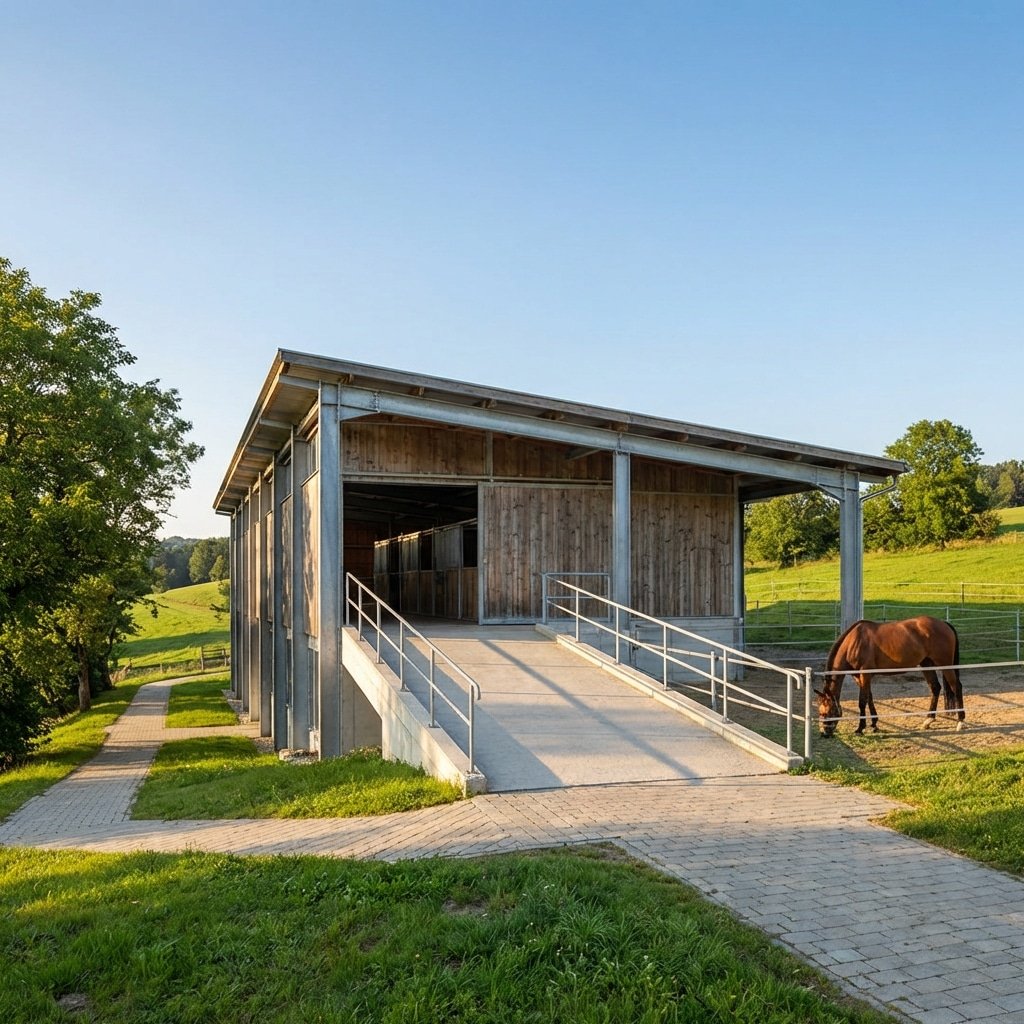
Les meilleurs fournisseurs d'équipements pour centres d'équitation thérapeutique et centres conformes à l'ADA
Constructing a Therapeutic Riding facility requires exceeding standard safety codes to prevent catastrophic liability claims. While basic agricultural stables save upfront capital, they often lack the zero-threshold clearance and impact resistance necessary for...

Top 10 des composants matériels qui tombent en panne en premier (et pourquoi nous utilisons de l'acier inoxydable 304)
L'approvisionnement en matériel fiable pour les kits de décrochage est un moyen de défense essentiel contre les réclamations au titre de la garantie et les atteintes à la réputation. Les fixations en acier plaqué de qualité inférieure constituent un point de défaillance majeur, se corrodant rapidement dans les environnements stables à forte humidité et entraînant des rappels coûteux qui...

Taille standard des stalles 12×12 ou taille des stalles sur mesure : Qu'est-ce qui convient à votre étable ?
La spécification d'un dimensionnement personnalisé pour la taille des boxes de chevaux est une décision critique qui a un impact direct sur les budgets des projets, en particulier dans le cas de rénovations d'étables. L'installation forcée d'un panneau soudé standard 12x12 dans une structure plus ancienne entraîne des retards d'installation coûteux et des modifications sur site...
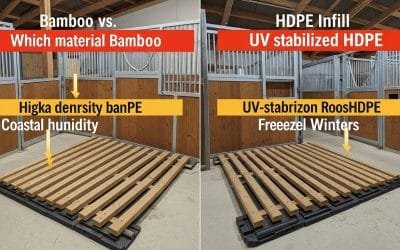
Remplissage en bambou ou en PEHD : Quel est le meilleur matériau pour votre climat ?
Le choix des panneaux de box pour chevaux est une décision qui a un impact direct sur les coûts d'exploitation et la sécurité. La spécification d'un matériau de remplissage inadapté à votre climat peut entraîner une défaillance prématurée - de la dégradation par les UV dans les régions chaudes à la pourriture dans les régions humides - créant un remplacement...
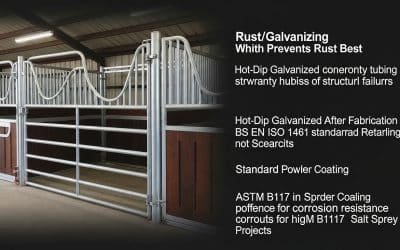
Galvanisation à chaud ou revêtement par poudre : Qu'est-ce qui prévient le mieux la rouille ?
Comprendre la rouille et la galvanisation des portes de box pour chevaux est essentiel pour éviter les réclamations coûteuses au titre de la garantie et les défaillances structurelles. Les stalles fabriquées à partir de tubes pré-galvanisés rouillent généralement au niveau des soudures, un point de défaillance fréquent dans les environnements côtiers ou à forte humidité. Cette...
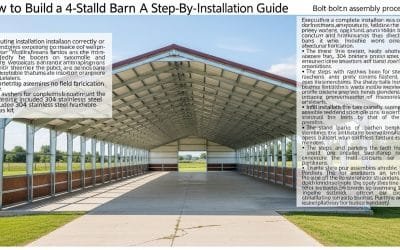
Comment construire une étable à 4 stalles : Guide d'installation étape par étape
L'exécution correcte de l'installation d'une grange à chevaux de 4 stalles permet de distinguer un projet rentable d'un projet qui s'enlise dans des problèmes de soudure et de quincaillerie sur le chantier. Les systèmes construits avec des fixations bon marché plaquées zinc invitent à la corrosion par l'ammoniac et l'humidité, ce qui...
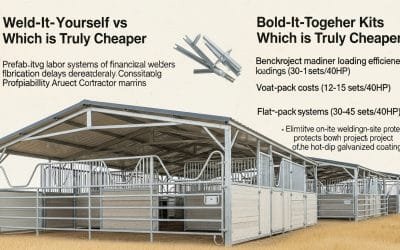
Kit à souder soi-même ou kit à boulonner : Lequel est vraiment le moins cher ?
Pour évaluer les véritables économies de main-d'œuvre qu'offrent les kits de boxes préfabriqués, il faut regarder au-delà du devis des matériaux et prendre en compte le coût total de l'installation. Les systèmes à souder soi-même transfèrent le risque financier lié aux soudeurs spécialisés et aux retards de fabrication directement sur l'installateur,...

S'approvisionner localement en bois d'œuvre ou acheter un kit complet : Le pour et le contre
S'approvisionner en bois de stalle séparément de la charpente métallique semble être une mesure d'économie, mais cela entraîne souvent des problèmes de compatibilité et des retards dans le projet. Cette erreur d'approvisionnement peut réduire à néant les marges bénéficiaires en raison de coûts de main-d'œuvre inattendus et de...

Les 10 principales erreurs commises par les constructeurs lors de l'installation de boxes pour chevaux
Les erreurs commises lors de l'installation de stalles pour chevaux selon les normes de construction résidentielle conduisent directement à des rappels de projets et à des responsabilités. Même les entrepreneurs généraux chevronnés sous-estiment souvent les exigences techniques d'un environnement équin, ce qui entraîne des défaillances structurelles qui...

Les 10 meilleures caractéristiques des kits de stalles conçus pour les hivers extrêmes
La spécification de stalles d'hiver pour chevaux adaptées au climat froid est la première défense contre une défaillance catastrophique des matériaux. L'utilisation d'acier de construction standard à des températures inférieures à zéro favorise les fractures fragiles et les panneaux déformés, ce qui entraîne directement des réclamations coûteuses au titre de la garantie et...
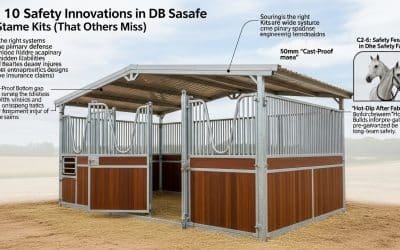
Les 10 principales innovations en matière de sécurité dans les kits d'écurie DB (que les autres ne voient pas)
Choisir le bon C2-6 : Caractéristiques de sécuritéLe kit de box pour chevaux de sécurité est le premier rempart contre les risques cachés que l'on trouve dans les modèles standard. De nombreux kits bon marché utilisent un large espacement entre les barreaux et de l'acier de faible épaisseur, ce qui...

Comment rénover les vieilles granges : Les 10 meilleurs conseils pour l'utilisation de kits standard
Le choix des kits de stalles Retrofit pour les étables existantes fait la différence entre un projet rentable et un cauchemar sur le plan de la responsabilité. Les systèmes rigides et pré-soudés sont incompatibles avec les bizarreries structurelles des bâtiments anciens,...

Comment faire baisser le prix de l'offre 20% et faire plus de profit avec les kits DB
Pour obtenir un retour sur investissement élevé pour les constructeurs de stalles de chevaux en gros, il faut résoudre le problème qui tue le plus de projets : l'installation de kits standard dans des étables imparfaites et non carrées. L'approvisionnement en systèmes qui ne peuvent pas s'adapter à des murs hors d'aplomb oblige à une fabrication coûteuse sur site, crée des...
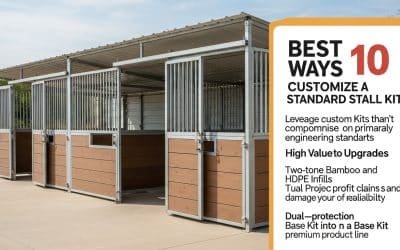
Les 10 meilleures façons de personnaliser un kit de stalle standard
Proposer des kits de décrochage personnalisés qui ne compromettent pas les normes d'ingénierie est un défi majeur pour les distributeurs. Les modifications ad hoc entraînent souvent des problèmes d'installation et des réclamations au titre de la garantie, ce qui réduit les marges bénéficiaires des projets et nuit à votre réputation de fiabilité.....
Les 10 principales choses à savoir avant la livraison de votre kit d'étalage
Pour que la livraison d'un kit de stabulation soit réussie, il faut que votre site soit prêt à accueillir un camion de 40 pieds. Si vous ne prévoyez pas le déchargement de palettes en acier pesant jusqu'à 450 kg, vous risquez souvent d'endommager des biens, de payer des frais de...

Les 10 principales erreurs de conception des bâtiments d'élevage qui nuisent à l'efficacité (et aux chevaux)
Les erreurs les plus courantes dans la conception des bâtiments d'élevage de chevaux sont à l'origine de défaillances fonctionnelles qui entraînent des pertes financières catastrophiques. Le fait de négliger des détails techniques essentiels tels que la ventilation, la durabilité des matériaux ou la largeur des allées...
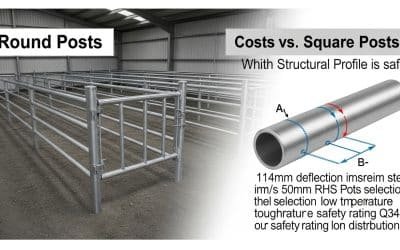
Poteaux ronds vs. poteaux carrés : Quel profil de structure est le plus sûr ?
Le débat sur les poteaux de box ronds ou carrés est une décision d'ingénierie critique, et non une décision esthétique. Le choix d'un mauvais profil a un impact direct sur l'intégrité structurelle en cas d'impact. Un simple coup de pied peut entraîner une déformation du poteau ou...
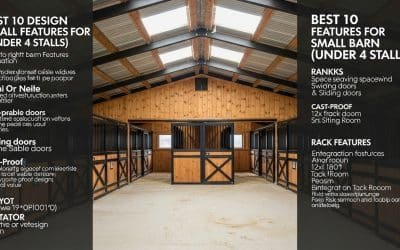
Les 10 meilleures caractéristiques de conception pour les petits bâtiments d'élevage (moins de 4 stalles)
Il est essentiel de choisir les bonnes caractéristiques pour les petites granges afin d'éviter des erreurs de construction coûteuses et des problèmes de sécurité à long terme. Un plan qui calcule mal la largeur des allées ou qui utilise des portes battantes peut réduire l'espace utilisable de plus de 10...
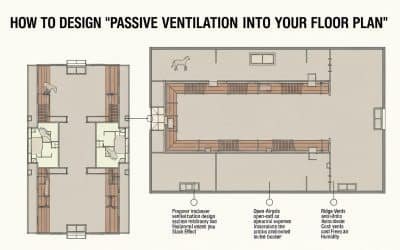
Comment intégrer la “ventilation passive” dans votre plan d'étage ?
Une mauvaise conception de la ventilation des écuries est une cause directe de maladies respiratoires, entraînant des coûts vétérinaires importants pour les propriétaires et des risques de responsabilité pour les ingénieurs de l'établissement. Le fait de s'appuyer uniquement sur des systèmes mécaniques augmente les frais d'exploitation et introduit une...
Portes coulissantes et portes battantes : Qu'est-ce qui convient à votre plan d'étage ?
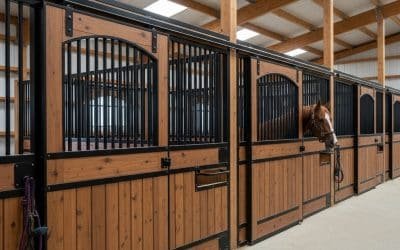
Choisir le bon type de porte de box est une décision cruciale qui détermine la sécurité et le flux de travail d'un bâtiment d'élevage. Une porte à charnières fait saillie dans l'allée, créant un risque de collision et consommant une surface précieuse. Ce défaut de conception fondamental compromet la...
Les 10 normes les plus importantes en matière de taille des stalles pour différentes races
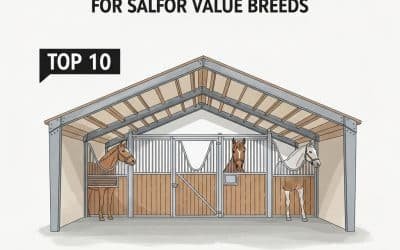
La spécification des dimensions correctes des stalles pour chevaux est un facteur essentiel pour atténuer la responsabilité du projet. S'appuyer sur la norme générique de 12x12 pieds pour les races plus grandes comme les Warmbloods ou les chevaux de trait crée un risque important, exposant les propriétaires d'installations à des problèmes de bien-être animal et...

Comment transformer un croquis de serviette en un plan de grange CAO professionnel ?
L'élaboration de plans d'écuries sur mesure sans une étude technique rigoureuse conduit à des dimensions de stalles peu sûres. Cette négligence entraîne une responsabilité importante lorsqu'il s'agit d'héberger des races de valeur telles que les Warmbloods ou les juments poulinières, ce qui entraîne des défaillances structurelles coûteuses ou des blessures aux animaux...
Les 10 meilleurs modèles de cloisons pour la socialisation et la sécurité
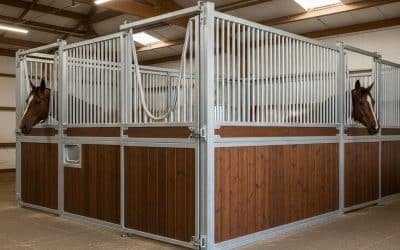
Choisir les bonnes cloisons pour les stalles de chevaux est une décision cruciale qui a un impact direct sur la sécurité des animaux et la responsabilité de l'établissement. Les modèles de qualité inférieure avec un espacement incorrect entre les barreaux - une mesure courante de réduction des coûts - entraînent souvent le coincement des sabots, ce qui crée un risque financier important...
Remplacement des façades de box ou reconstruction complète : Quel est le véritable retour sur investissement ?
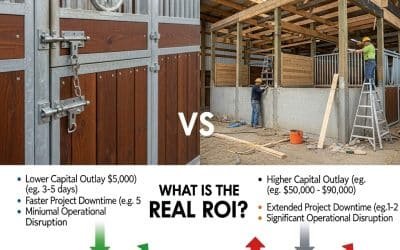
Une analyse des coûts pour le remplacement des portes des boxes à chevaux révèle une décision cruciale : une mise à niveau ciblée par rapport à un démontage complet. Le choix de la mauvaise voie peut gonfler les dépenses d'investissement de 90% et prolonger la durée d'immobilisation du projet de plusieurs jours à plusieurs mois, ce qui a un impact direct sur les revenus d'exploitation et...
Comment mesurer votre vieille grange pour des façades de stalles personnalisées
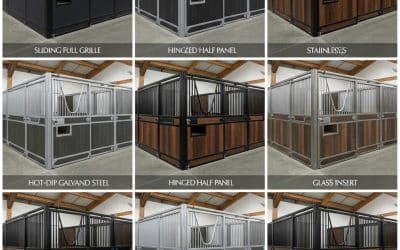
Un guide de mesure précis pour les façades de boxes à chevaux sur mesure est la première défense contre l'échec d'un projet coûteux. Une mauvaise dimension dans une vieille grange avec des sols inégaux ou des poteaux tordus peut rendre un système préfabriqué inutilisable, obligeant à des réassortiments coûteux et causant...
Les 10 meilleurs dispositifs de sécurité à ajouter à votre vieille grange rénovée
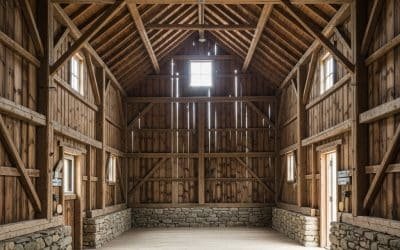
La mise en place d'améliorations de la sécurité avec des portes de box sûres est la première défense contre la responsabilité liée à une infrastructure d'étable obsolète. Les anciennes stalles avec un large espacement entre les barreaux ou de grands espaces sous les portes sont une cause directe de blessures évitables, entraînant des factures de vétérinaire coûteuses...
Façades coulissantes ou portes à charnières : La meilleure solution pour les allées étroites
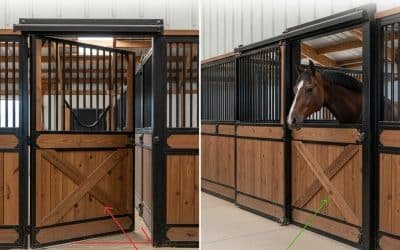
Le choix entre les portes coulissantes et les portes battantes pour les allées étroites est un calcul de responsabilité critique, et pas seulement une préférence d'agencement. La trajectoire d'une porte battante traditionnelle crée un risque évident de coincement, exposant les établissements à des risques de blessures importants et à des...
Comment installer de nouvelles façades de stalles dans une grange existante (Guide de bricolage)
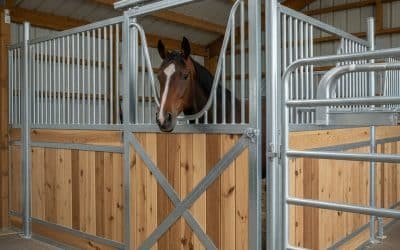
L'installation correcte de façades de stalles dans un bâtiment d'élevage existant est plus qu'une simple mise à niveau ; il s'agit d'une amélioration essentielle de la sécurité qui permet de remédier à des problèmes cachés. Une erreur de bricolage fréquente consiste à se concentrer uniquement sur le cadre, en ignorant les risques tels que l'espacement incorrect des barres ou les interstices sous les portes...
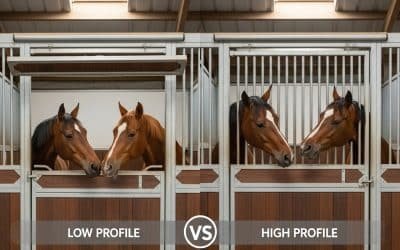
Façades à profil bas ou à profil haut : Quelle est la meilleure solution pour la socialisation ?
Le choix d'une façade de stabulation basse ou haute a un impact direct sur la socialisation du troupeau et le risque opérationnel. Un mauvais choix peut favoriser les vices liés au stress ou entraîner des blessures évitables, coûtant aux établissements des milliers de dollars en frais vétérinaires et dévalorisant les...
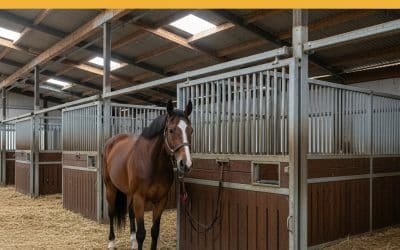
Les 10 meilleures raisons de remplacer le vieux bois par du bambou ou du PEHD dans le cadre d'une rénovation
La décision de remplacer le bois des stalles est une réponse directe à la réduction des risques opérationnels et des coûts à long terme. Le bois poreux absorbe l'humidité et l'urine, créant des environnements avec des niveaux élevés d'ammoniac et de moisissures qui entraînent une augmentation des factures des vétérinaires et de la responsabilité de l'établissement. Cette...
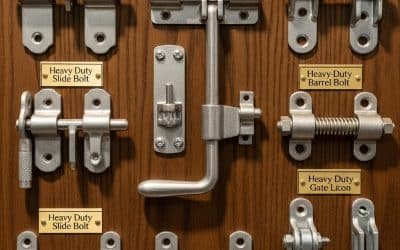
Les 10 meilleures améliorations de la quincaillerie pour les stalles rénovées
L'amélioration de la quincaillerie des serrures de box pour chevaux est le premier moyen de défense contre les défaillances de composants qui font grimper les coûts d'entretien. L'utilisation d'une quincaillerie en alliage de zinc de qualité inférieure dans le cadre d'un projet de rénovation entraîne souvent une corrosion et un grippage rapides, ce qui...
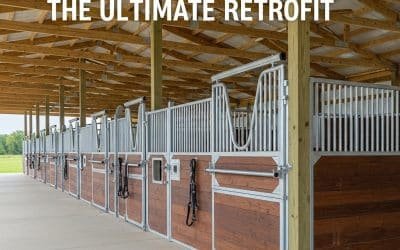
Comment ajouter des stalles à une grange à poteaux : L'ultime rénovation
L'ajout de stalles de chevaux dans une grange à poteaux qui tombent en panne prématurément entraîne des rappels coûteux et nuit à la réputation du constructeur. Le principal point de défaillance est souvent négligé : les kits de quincaillerie de série utilisent des alliages de zinc qui se corrodent et se grippent dans les environnements de grange à forte humidité,...
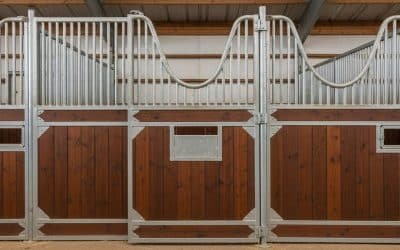
Fronts de stalles ou stalles complètes : Qu'est-ce qui convient le mieux à votre rénovation ?
Le choix des façades de stalles de chevaux de rénovation est une décision où le coût initial des matériaux est trompeur. Une approche basée uniquement sur les façades semble moins coûteuse, mais elle ne tient pas compte de deux sources de profit importantes : les frais de transport élevés des unités soudées expédiées de manière inefficace et le risque à long terme...
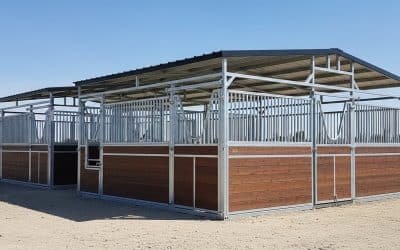
Comment installer 20 stalles de chevaux portables en moins de 6 heures
L'installation rapide d'un box portable pour chevaux est déterminée par la logistique, et pas seulement par la main-d'œuvre. Les panneaux traditionnels entièrement soudés créent un goulot d'étranglement immédiat avec un déchargement manuel lent qui gonfle les coûts sur site et risque de retarder le projet. Chaque heure passée à manipuler des...
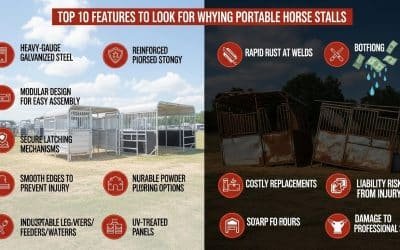
Les 10 principales caractéristiques à rechercher lors de l'achat d'un box portable pour chevaux
Lorsque vous achetez des boxes portables pour chevaux, votre décision d'achat a un impact direct sur les coûts d'exploitation à long terme et les risques de responsabilité. En optant pour des systèmes moins chers construits avec de l'acier mince et pré-galvanisé, vous vous exposez à une rouille rapide au niveau des soudures,...
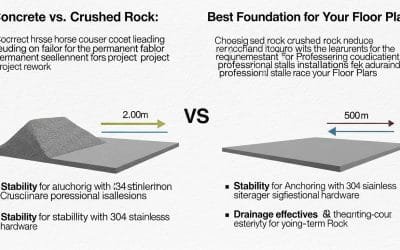
Béton ou pierre concassée : La meilleure fondation pour votre plan d'étage
Les fondations incorrectes des sols des boxes de chevaux sont l'une des principales causes de défaillance structurelle et de reprise du projet. Le choix de la pierre concassée plutôt que du béton pour réduire les coûts initiaux d'une installation permanente risque d'entraîner un tassement de la fondation, ce qui...
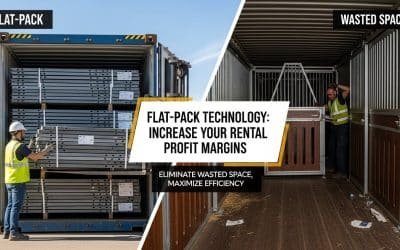
Comment la technologie Flat-Pack augmente les marges bénéficiaires de vos locations
Une logistique efficace pour l'expédition de boxes de chevaux est la première défense contre la disparition des marges bénéficiaires. Les boxes entièrement soudés occupent plus de 60% d'espace dans les conteneurs, convertissant votre capital en frais de transport irrécupérables avant qu'un...
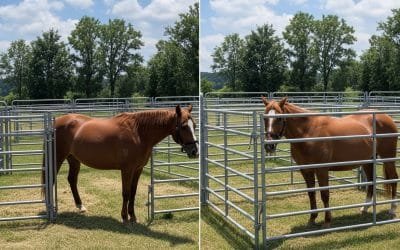
Stalles portables ou panneaux de corral : Qu'est-ce qui est le plus sûr pour les événements ?
Le choix entre corral et box pour les événements a un impact direct sur la sécurité et la responsabilité. Les panneaux bon marché fabriqués en acier fin et en tubes pré-galvanisés se cassent souvent au niveau des soudures, créant des risques de blessures immédiates qui entraînent des réclamations d'assurance et des problèmes de réputation durables...
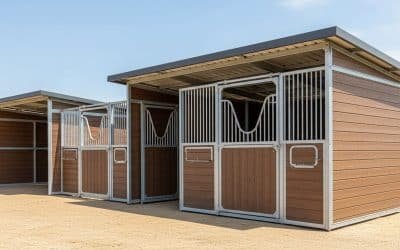
Comment importer des écuries de Chine en 2026 : un guide étape par étape
Ce guide des importations pour les écuries de chevaux à vendre aborde les deux principaux risques qui pèsent sur les bénéfices des distributeurs : les erreurs de classification douanière et les coûts de fret élevés. L'utilisation du mauvais code SH peut entraîner des droits de douane élevés, tandis que l'expédition de panneaux entièrement soudés peut...
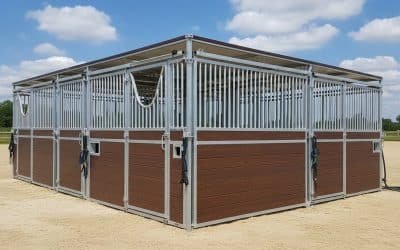
Comment entretenir les stands de location portables pendant plus de 20 ans ?
L'entretien des boxes pour chevaux pour une durée de vie de 20 ans est déterminé par la norme de fabrication initiale, et non par la routine de nettoyage. La plupart des parcs de location tombent en panne prématurément à cause de la rouille au niveau des soudures, conséquence directe de l'utilisation par les fournisseurs de tubes pré-galvanisés bon marché. Ce simple...
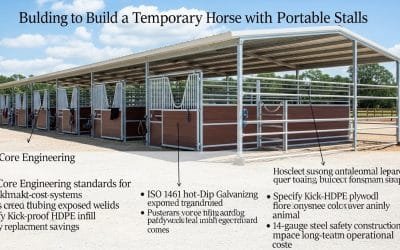
Comment construire une écurie temporaire avec des stalles portables ?
Construire une écurie temporaire avec des stalles portables bon marché est une erreur courante qui conduit à des défaillances structurelles. Les systèmes bon marché utilisent souvent des tubes pré-galvanisés avec des soudures apparentes, qui rouillent rapidement, créent des risques pour la sécurité et obligent à des remplacements coûteux qui...
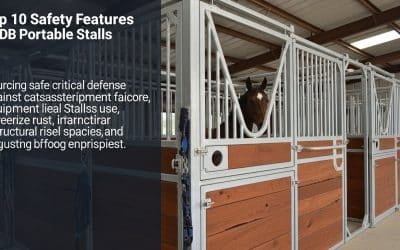
Les 10 principales caractéristiques de sécurité des stalles portables DB
L'approvisionnement en stalles pour chevaux sûres est un moyen de défense essentiel contre les défaillances catastrophiques de l'équipement et la responsabilité juridique. Les stalles qui utilisent de l'acier pré-galvanisé ou dont les barreaux sont mal espacés entraînent souvent de la rouille, des faiblesses structurelles et le piégeage des sabots, ce qui engendre d'importantes...
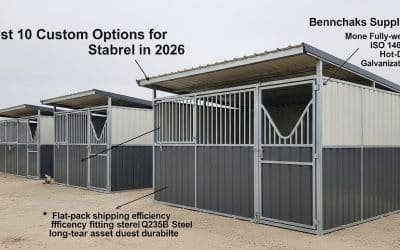
Les 10 meilleures options personnalisées pour les stalles portables en 2026
L'approvisionnement en stalles portables personnalisées est un défi direct pour les marges opérationnelles. De nombreux fournisseurs expédient des unités entièrement soudées qui sont inefficaces d'un point de vue logistique, ne permettant d'installer que 12 à 15 ensembles par conteneur et érodant la rentabilité avant...
 French
  English
  Spanish
  Arabic
  German